
Last updated November 15, 2026
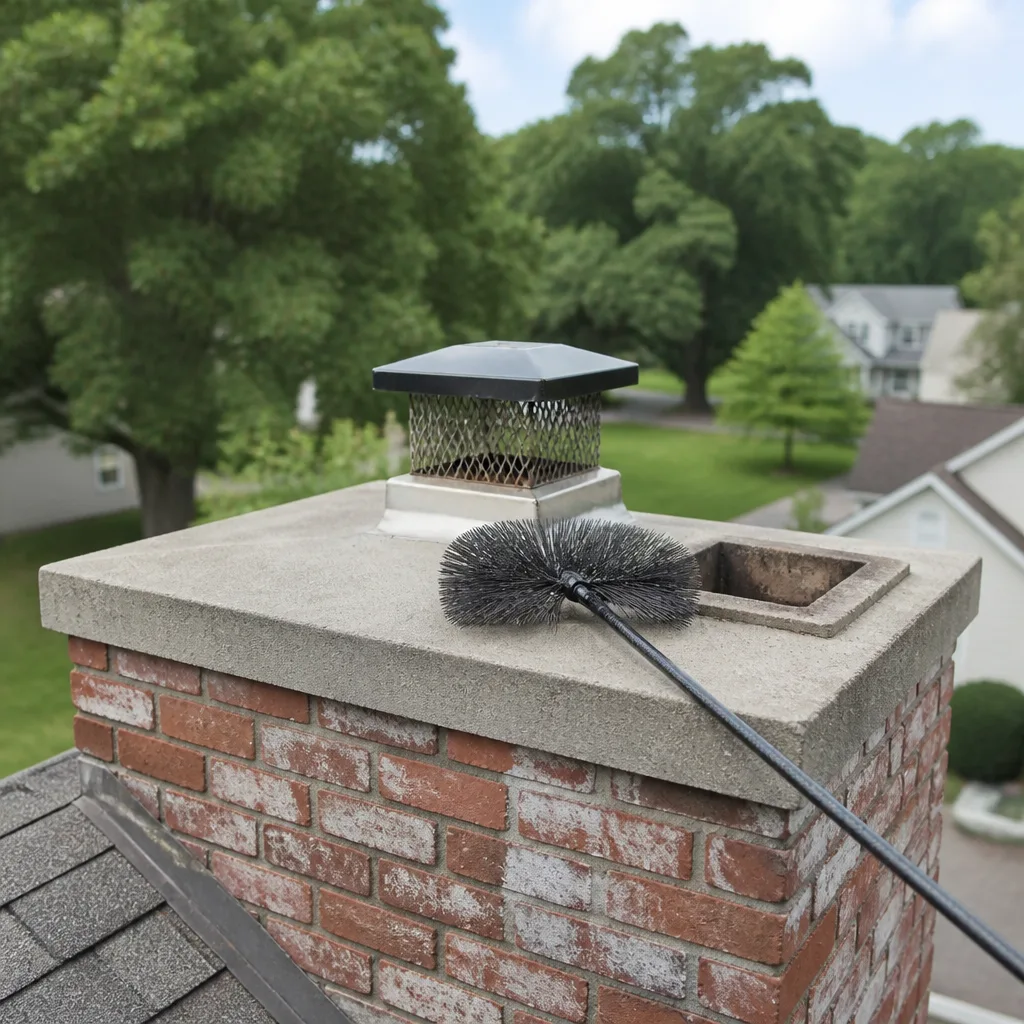 Sweep & inspection
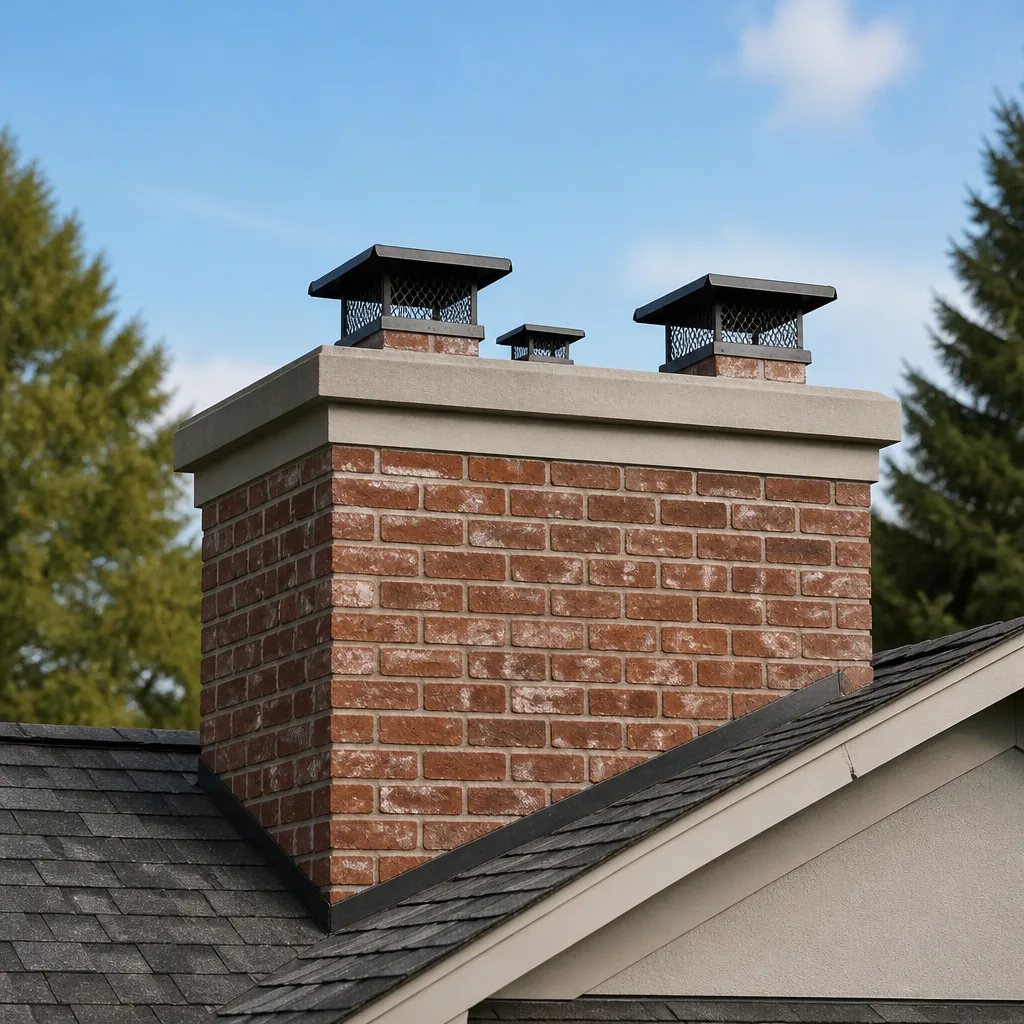 Caps & crowns
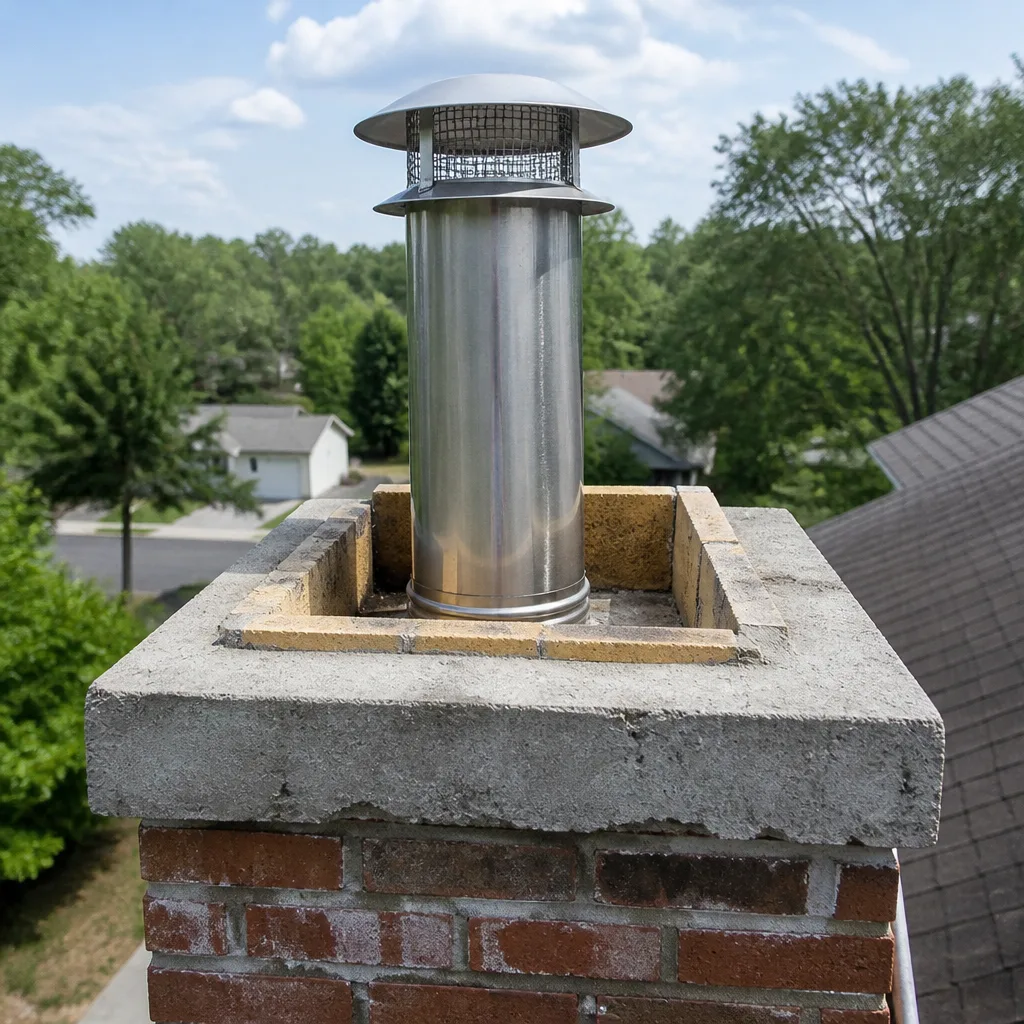 Flue relining
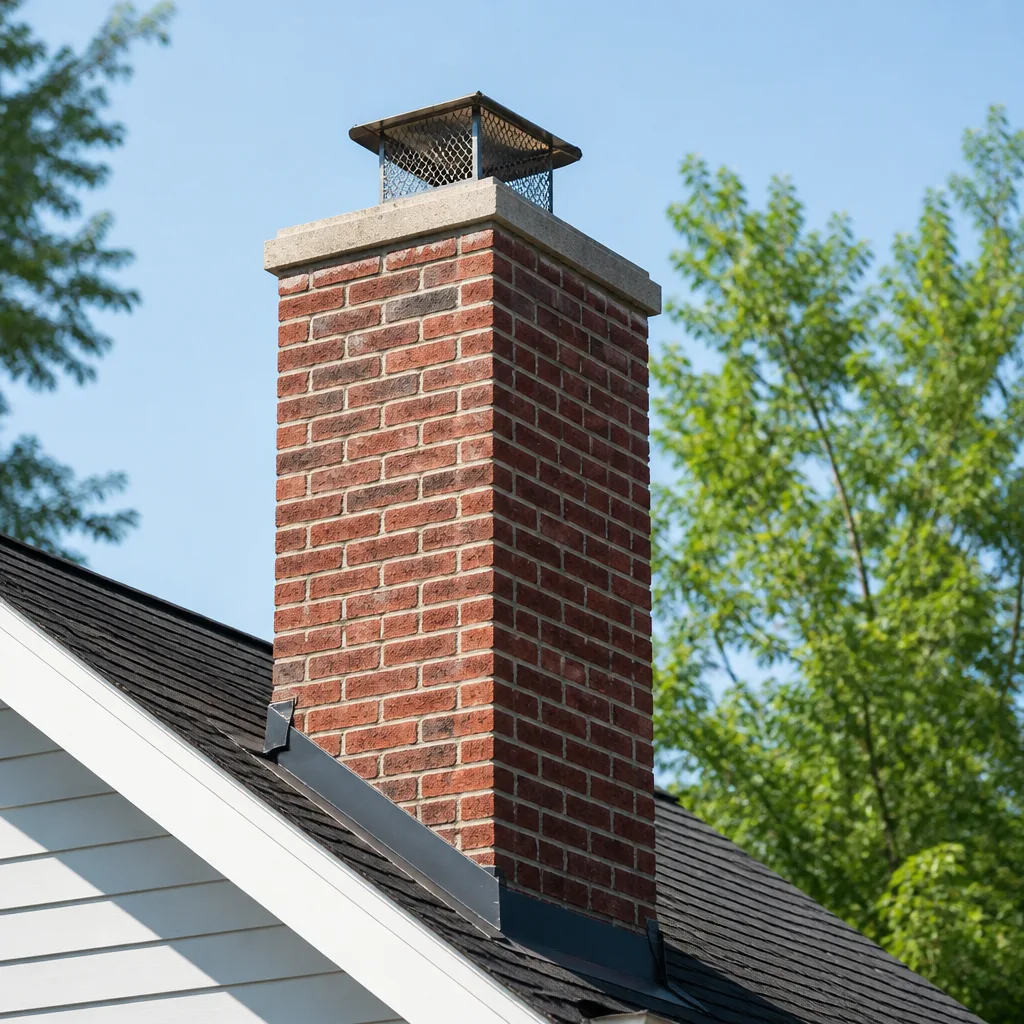 Masonry repair
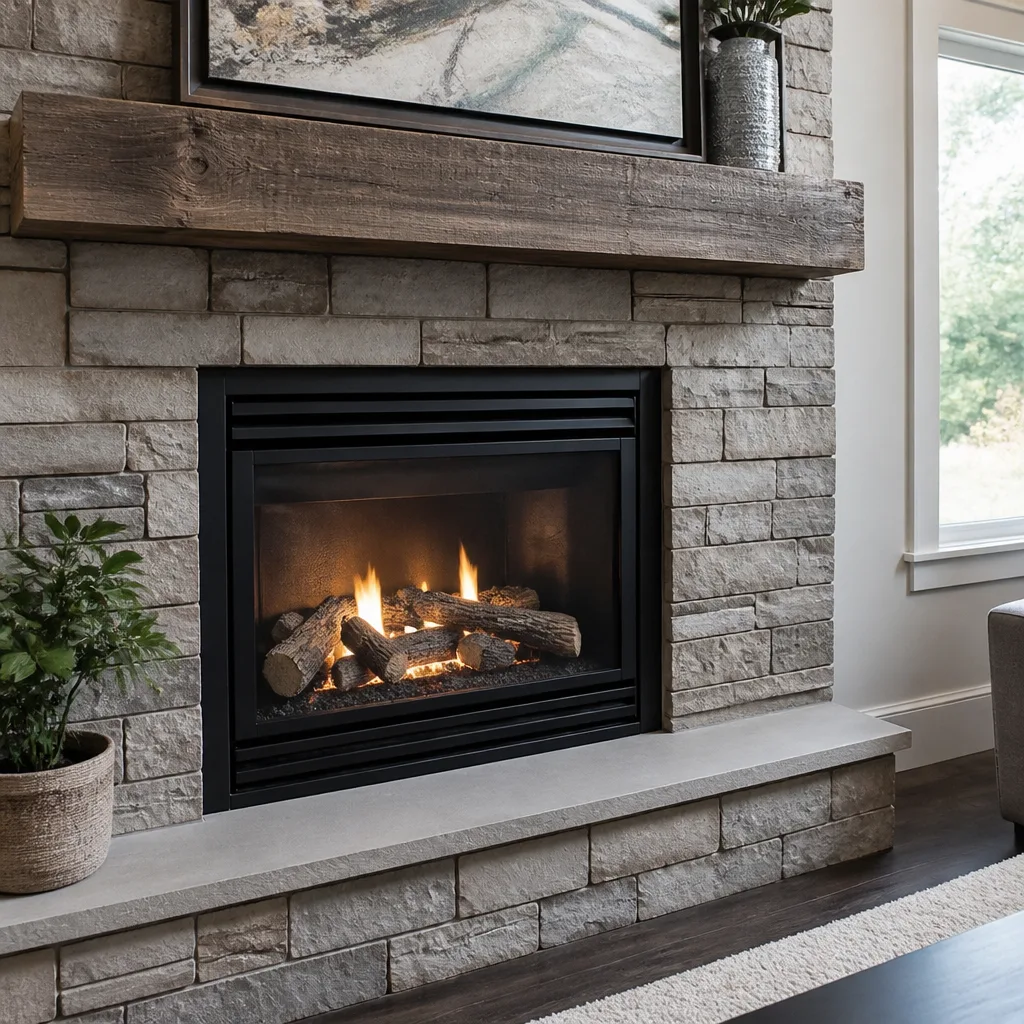 Gas fireplace service
Level 1 sweep and inspection to the NFPA 211 annual standard - flue, crown, cap, and flashing checked and photographed
Chimney sweep logs do not sweep chimneys. They loosen some creosote - which then falls where a brush and vacuum still have to collect it.
Choosing the Right Chimney Cleaning Brand: A Buyer’s Guide for Lehigh Acres
When a contractor quotes you a “stainless liner installation,” that phrase covers everything from a budget single-wall flex pipe to a UL-listed DuraFlex all-fuel liner with insulation wrap. The price difference is hundreds of dollars. So is the difference in performance and warranty. Most homeowners in Lehigh Acres never see which one they’re being sold, because the quote just says “liner” and the invoice just says “materials.” That’s the gap this guide closes. We’re going to walk through the actual product landscape behind a chimney quote – the liner systems, the resurfacing compounds, the caps and dampers – so you can ask informed questions and tell the difference between a specialist working from a professional supply chain and a generalist reaching for a generic substitute.
Quick Answer
The brand on a chimney product matters because it tells you whether the material is rated for the job, listed to a recognized safety standard, and backed by a manufacturer’s warranty you can actually claim. A named professional-grade liner like DuraFlex, a resurfacing system like HeatShield, or cap and damper products from Copperfield or Gelco signals a contractor working from a chimney-specific supply chain. An unbranded liner quoted only as “stainless flex” tells you nothing – and that absence is a question worth asking before you sign.
Styles & brands we work with
- Sweep & inspection
- Caps & crowns
- Flue relining
- Masonry repair
- Gas fireplace service
Table of Contents
- Why the Brand on a Chimney Quote Actually Matters
- DuraFlex Liner Systems: What UL-Listed All-Fuel Really Means
- HeatShield Cerfractory Sealant: When Resurfacing Beats Replacement
- Copperfield, Gelco, and the Professional Supply Chain
- What to Ask When a Contractor Names a Brand
- Brands to Be Cautious About: Reading a Vague Liner Quote
- How Lehigh Acres Conditions Affect Material Choice
- Common Mistakes to Avoid
- When to Call a Professional
- Frequently Asked Questions
Why the Brand on a Chimney Quote Actually Matters
A chimney liner is a manufactured product, not a raw material scooped out of a bin. It has an alloy, a wall thickness, a joining method, a temperature rating, and a listing that says what fuels it can vent. Two liners that look identical coiled up on a truck can differ by a full gauge of steel and by whether they’re rated for wood, gas, or both. The brand is the shorthand for all of that.
Here’s what a named brand gets you that a generic one usually doesn’t:
- A published specification sheet. You can read the alloy, the wall thickness, and the temperature rating before installation, not after.
- A listing to a recognized standard. Professional liner systems are tested and listed, which is how an inspector or your insurer knows the product meets the code the installation is measured against.
- Warranty terms you can find in writing. Manufacturer warranties on a generic flex pipe are often nonexistent or unenforceable because there’s no identifiable manufacturer.
- Installation components that match. A branded liner comes with its own top plate, cap adapter, and connector hardware designed to work together. Mismatched parts are where leaks start.
In Lehigh Acres, most homes run a fireplace or wood-burning insert for a handful of cooler months and rely on the chimney the rest of the year for nothing at all. That pattern – light, seasonal use – is exactly the situation where a homeowner is tempted to accept the cheapest liner quote, because the chimney “barely gets used.” The material still has to hold up to the heat it does see, and it still has to pass a visual inspection when the house changes hands. The brand is how you know it will.
DuraFlex Liner Systems: What UL-Listed All-Fuel Really Means
“UL-listed all-fuel” is the phrase to anchor on. It means the liner has been tested and listed for venting more than one fuel type – typically wood, gas, and oil – rather than being restricted to a single application. That matters because a liner rated only for gas has no business venting a wood fire, and a contractor who quotes one for a wood-burning fireplace has either made a mistake or is hoping you won’t notice.
DuraFlex is one of the liner systems chimney technicians actually specify, and it’s built around that all-fuel rating. Within the line, there are distinctions worth knowing:
- Standard versus premium alloys. Higher-grade stainless alloys resist corrosion and heat cycling better than budget grades. If a quote just says “stainless,” it may be the lower alloy, which is fine for some applications and not for others.
- Gauge thickness. Wall thickness drives durability. A heavier gauge holds up to more heat cycles and physical stress during the sweep. It costs more. It’s also the first thing trimmed when a quote is being cut to hit a price.
- Insulation wrap. An insulated liner holds flue temperature better and protects the surrounding structure. Wrapping is a separate step, and some quotes quietly leave it out.
- Single-wall versus double-wall construction. Double-wall liners are built for higher-temperature and all-fuel use; single-wall is a lighter application.
For a Lehigh Acres home with occasional wood-burning use, a properly specified all-fuel liner with insulation is the sensible baseline. The seasonal pattern here means the liner isn’t being stressed year-round – but it also means the first fire of the season hits a cold flue, and a thin, under-specified liner takes that thermal shock every year. Ask which alloy, which gauge, and whether insulation is included. A technician who can answer those three questions from memory is working with a real spec.
HeatShield Cerfractory Sealant: When Resurfacing Beats Replacement
HeatShield is a resurfacing system for clay tile flue liners. It’s applied to the inside of the flue to seal cracked joints and restore a smooth, continuous surface, and it’s a repair-grade solution rather than a patch. Understanding when it fits – and when it doesn’t – is one of the most useful things a homeowner can learn before authorizing liner work.
Clay tile liners are laid in stacked sections with mortar joints between them. Over time, those joints crack and the tiles themselves can develop fissures. A camera inspection shows this clearly. The question is whether the damage is confined to the joints or whether the tiles are structurally compromised.
- Appropriate for HeatShield: intact tiles with deteriorated or missing mortar joints, gaps between sections, and hairline cracks that haven’t displaced the tile. The system rebuilds the joint and gives the flue a continuous lining surface.
- Not appropriate: spalled, broken, or displaced tiles, a flue that’s out of round or has lost significant cross-section, or a liner that’s simply too deteriorated to hold a resurfaced surface.
- The wrong answer: a contractor who recommends a full liner replacement without ever showing you the camera footage of what’s actually wrong.
This is where a specialist’s material knowledge separates itself from a sweep-and-go operation. Resurfacing with HeatShield is a specific capability, and not every chimney company carries it. A generalist who doesn’t have the material has only one recommendation available, and it’s the more expensive one. In our experience, the right question in Lehigh Acres isn’t “can you resurface this” – it’s “show me the camera footage and tell me why resurfacing isn’t the right answer.”
Copperfield, Gelco, and the Professional Supply Chain
Liners get the attention, but the parts at the top of the chimney and the accessories inside it matter just as much to how the system performs. Caps, top-sealing dampers, and chase covers are what keep rain, debris, and animals out of a flue. When a contractor installs these from a professional chimney supply chain rather than a home improvement store shelf, you’re getting a product designed for the application instead of a general-purpose part adapted to it.
Copperfield is a chimney supply manufacturer whose caps, dampers, and covers are specified for chimney systems. Gelco makes venting and cap products used by technicians who work from a known spec. Famco and Olympia Chimney round out the professional-trade names you’ll see in a specialist’s quotes. The common thread isn’t the logo – it’s that each of these products comes with a published specification and a manufacturer behind it.
A top-sealing damper is a good example. It seals at the top of the flue rather than the throat, which closes off the chimney from weather and wildlife year-round. A generic damper retrofit can work, but a branded system is engineered to fit the specific cap and flue it’s designed for. The same logic applies to the cap itself: a proper stainless cap with the right mesh keeps out birds and debris without blocking the draft the flue needs.
Ask what brand of cap and damper is going on your chimney, the same way you’d ask about the liner. If the answer is “a standard cap,” press a little. The parts are small; the consequences of a poorly fitted one aren’t.
What to Ask When a Contractor Names a Brand
Naming a brand is a good sign. It doesn’t, on its own, prove the installation will be right. Here’s how to turn a brand name in a quote into real information before you commit to the work.
- “Can you show me the product spec sheet?” A legitimate request. Any professional manufacturer publishes one. It tells you the alloy, the thickness, and the temperature rating so you can compare quotes apples to apples.
- “What are the warranty terms, and who honors them?” Ask to see them in writing. A manufacturer’s warranty and a workmanship warranty are two different things, and you want both clear.
- “Is this liner listed for my fuel type?” If your fireplace burns wood, the liner needs to be listed for wood or all-fuel use – not just gas.
- “Is insulation included in this price?” For most installations it should be. If it’s not, ask why.
- “Can I see the camera inspection footage?” You should be able to watch the same scan the technician did. This is the difference between a recommendation and a sales pitch.
- “What gauge and alloy am I getting for this price?” If the answer is vague, the product likely is too.
None of these questions are unreasonable, and a technician who works with a curated roster of professional brands – DuraFlex, HeatShield, Gelco, Olympia Chimney, Famco, Copperfield – will answer them without hesitation. If a contractor gets defensive about a request for a spec sheet, that’s information too.
Brands to Be Cautious About: Reading a Vague Liner Quote
Some quotes name a brand. Some don’t. The ones that don’t are the ones to slow down on, because “stainless steel flex liner” can describe a product that ranges from perfectly acceptable to a thin, unlisted pipe with no manufacturer to stand behind it.
Watch for these signs in a quote:
- No brand name anywhere in the liner line item. “Stainless flex liner” with no maker is a red flag on a project where the material is the whole cost.
- No mention of alloy or gauge. Those two details are how professionals compare liners. Their absence suggests the product hasn’t been specified at all.
- Insulation missing or quoted as an optional extra. For most wood-burning installations, it isn’t optional.
- No warranty document offered. A real product has real terms. Ask to see them.
- A price that’s dramatically below every other quote. There’s usually a reason, and the reason is usually the material.
Here’s the honest part: an unbranded liner isn’t automatically bad. What it is, is unverifiable. And on a chimney, unverifiable is the problem. The liner sits inside the flue where a homeowner can’t inspect it after the fact, so the only way to know what you got is to know what was quoted and installed. A named product with a spec sheet and a warranty is the only version of that you can check. In Lehigh Acres, where a lot of homes have one fireplace used a few times a year, a homeowner might reasonably think the material doesn’t matter much. It matters exactly as much as it would anywhere else – the fire doesn’t know it’s in Florida.
How Lehigh Acres Conditions Affect Material Choice
Lehigh Acres sits in a warm, humid climate, and that shapes what a chimney system deals with. Humidity and the summer rainy season push moisture into an unused flue, and a cold season fireplace that sits idle for months can develop corrosion at the joints, especially if it has no proper cap to keep rain out. This is one reason a quality cap and a sealed, well-specified liner matter here – the enemy isn’t snow load or freeze-thaw, it’s moisture sitting in a flue that isn’t being vented by an active fire.
A wood-burning fireplace used seasonally in Lehigh Acres also builds creosote in the off months, and the first fire of the season is the one that meets a cold flue. A proper all-fuel liner rated for wood and installed with insulation handles that cycle better than a thin single-wall pipe. A resurfaced clay liner, done with a system like HeatShield, handles the moisture side by giving the flue a continuous, sealed surface.
The other local factor is the housing mix. A lot of Lehigh Acres homes have gas fireplaces or wood-burning inserts rather than full masonry open fireplaces, and each fuel type has its own liner rating requirement. If you don’t know which you have, that’s the first thing to sort out before a liner quote makes any sense. A sweep and camera inspection settles it.
Common Mistakes to Avoid
- Accepting a liner quote that names no brand. If the product isn’t named, you have no way to compare it to anything. Ask for the spec sheet before you compare price.
- Assuming a cheap liner is fine because the fireplace is used lightly. Light seasonal use in Lehigh Acres still means heat cycles and moisture, and a thin pipe that fails early is the more expensive outcome.
- Choosing a full liner replacement when resurfacing would do. If a contractor resurfacing with HeatShield is available, a joint-level repair can be the right call – but only after the camera footage confirms the tiles are intact. Ask to see it.
- Skipping the camera inspection. You can’t judge a recommendation without seeing the problem. Any legwork done without footage is guesswork.
- Ignoring the cap and damper. A top-sealing damper and a proper stainless cap are what keep rain and animals out of a flue between fires. They’re part of the system, not an add-on.
- Forgetting the dryer vent entirely. A chimney-only contractor won’t look at the vent, but it’s a separate fire-safety system with its own lint buildup problem. dryer vent cleaning is worth scheduling alongside the sweep.
- Judging the job by the invoice instead of the evidence. Ask for the photo report. If there’s no record of what was found, you can’t verify what was repaired.
When to Call a Professional
Call a professional if a chimney quote you’ve received doesn’t name a brand, if you can’t get a spec sheet or warranty, or if a full liner replacement is recommended without a camera inspection you can see. Call us if you’ve noticed creosote buildup, a cracked flue tile, a cap that’s loose or missing, or a damper that won’t seal. Call if your dryer is taking longer than it used to, a sign of lint backing up in the vent. If you’ve never had the chimney inspected and you burn wood at all, that’s reason enough. Safety is the reason to act, and the two systems worth knowing about are the chimney and the dryer vent – carbon monoxide and chimney fires are the risks behind both.
Chimney Sweep Lehigh Acres offers free estimates in Lehigh Acres – call (855) 473-9633. We answer 24/7. Fast dispatch from 7am to 7pm, Sunday through Friday. Nothing gets recommended without camera evidence you can see for yourself, and we’ll tell you plainly when work can safely wait for a later season.
Frequently Asked Questions
A standard chimney sweep in Lehigh Acres typically falls in the low-to-mid hundreds, with the final price set per job by a written estimate after we see the flue. Repair work – a liner, a resurfaced flue, a cap and damper – is quoted separately once the camera inspection shows what’s actually needed. Call (855) 473-9633 for an exact quote; estimates are free.
Not always. A cracked or deteriorated clay tile liner can often be resurfaced with a system like HeatShield rather than fully replaced, provided the tiles themselves are structurally intact. A full liner replacement is the right call when the tiles are broken, displaced, or too deteriorated to hold a resurfaced surface. The camera footage tells you which situation you’re in, and you should always see it before deciding. Call (855) 473-9633 if you’ve been quoted a liner and want a second look.
There’s no single “best” brand – the right answer depends on fuel type, flue size, and application. What matters is that the liner is listed for your fuel, has a published spec sheet showing alloy and gauge, and carries a manufacturer’s warranty. DuraFlex is one system technicians specify for all-fuel use, but the broader point is that a named, listed product beats an unbranded one every time. Call (855) 473-9633 and we’ll walk you through the specification for your chimney.
For a wood-burning fireplace, an annual inspection and a sweep when creosote buildup warrants it is the standard approach. A gas-burning appliance needs less frequent sweeping but still benefits from an annual inspection to catch corrosion and debris. Even a lightly used seasonal fireplace in Lehigh Acres benefits from a yearly look, because moisture and animals don’t wait for you to light a fire. Call (855) 473-9633 to book an inspection.
Because a cap and a top-sealing damper are what keep rain, debris, and animals out of the flue between fires, and a poorly fitted one fails at exactly that. Professional supply brands like Copperfield and Gelco are engineered to fit the specific flue and cap system they’re specified for, rather than being a general-purpose part adapted to a chimney. Ask what brand is going on your chimney. Call (855) 473-9633 to schedule a cap or damper evaluation.
Creosote accumulates in the flue with each fire and is the fuel behind chimney fires, and a damaged liner can allow combustion gases including carbon monoxide into the home. Moisture intrusion in a capped, unused flue can also degrade the liner faster than active use would. Skipping it doesn’t create the risk overnight, but the risk does build. Call (855) 473-9633 for a free estimate.
The Bottom Line
The brand on a chimney quote is your only window into what’s actually going into the flue. A named, listed product – a DuraFlex all-fuel liner, a HeatShield resurfacing, a Copperfield or Gelco cap and damper – comes with a spec sheet, a rating, and a warranty you can check. An unbranded “stainless flex liner” comes with none of that, and on a chimney you can’t inspect from the outside, unverifiable is the whole problem. Ask for the spec sheet, ask for the warranty, ask to see the camera footage, and don’t authorize liner work you can’t confirm. A specialist works from a professional supply chain and can explain every part of a quote; a generalist reaches for whatever’s at the store. In Lehigh Acres, where a seasonal fireplace and a humid climate both put demands on a flue, the material matters. If you’ve been quoted a liner or a resurfacing, chimney sweep service is where verification starts – the inspection and the recommendation come from what’s actually in your flue.
We handle cleaning, repair, and dryer vent cleaning under one roof, so a chimney issue and a vent issue found on the same visit can be resolved in the same visit. If you’re in Lehigh Acres and want to know what your chimney actually needs, call (855) 473-9633. We answer 24/7. Fast dispatch from 7am to 7pm, Sunday through Friday. Our technicians have up to 8 years of experience, and every recommendation comes with camera evidence and a photo report you can keep.
Written by the team at Chimney Sweep Lehigh Acres.
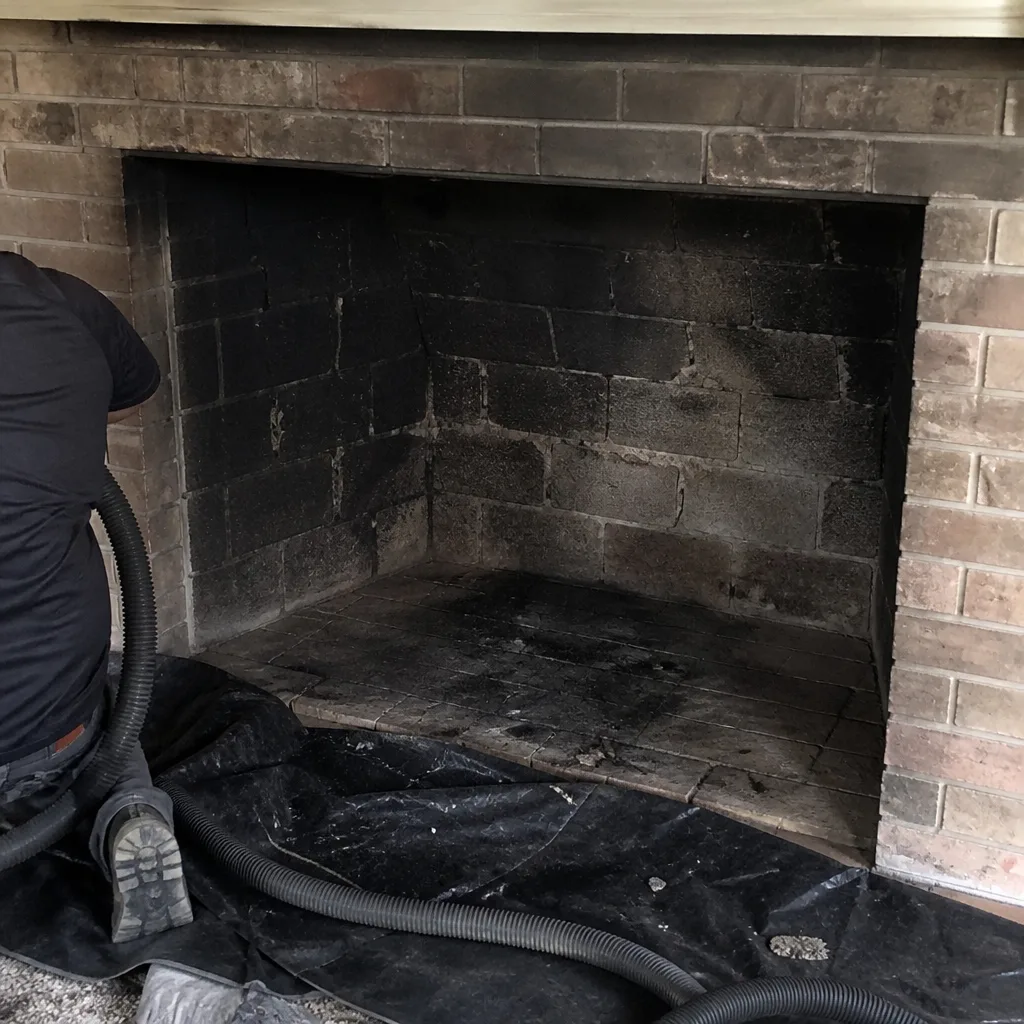
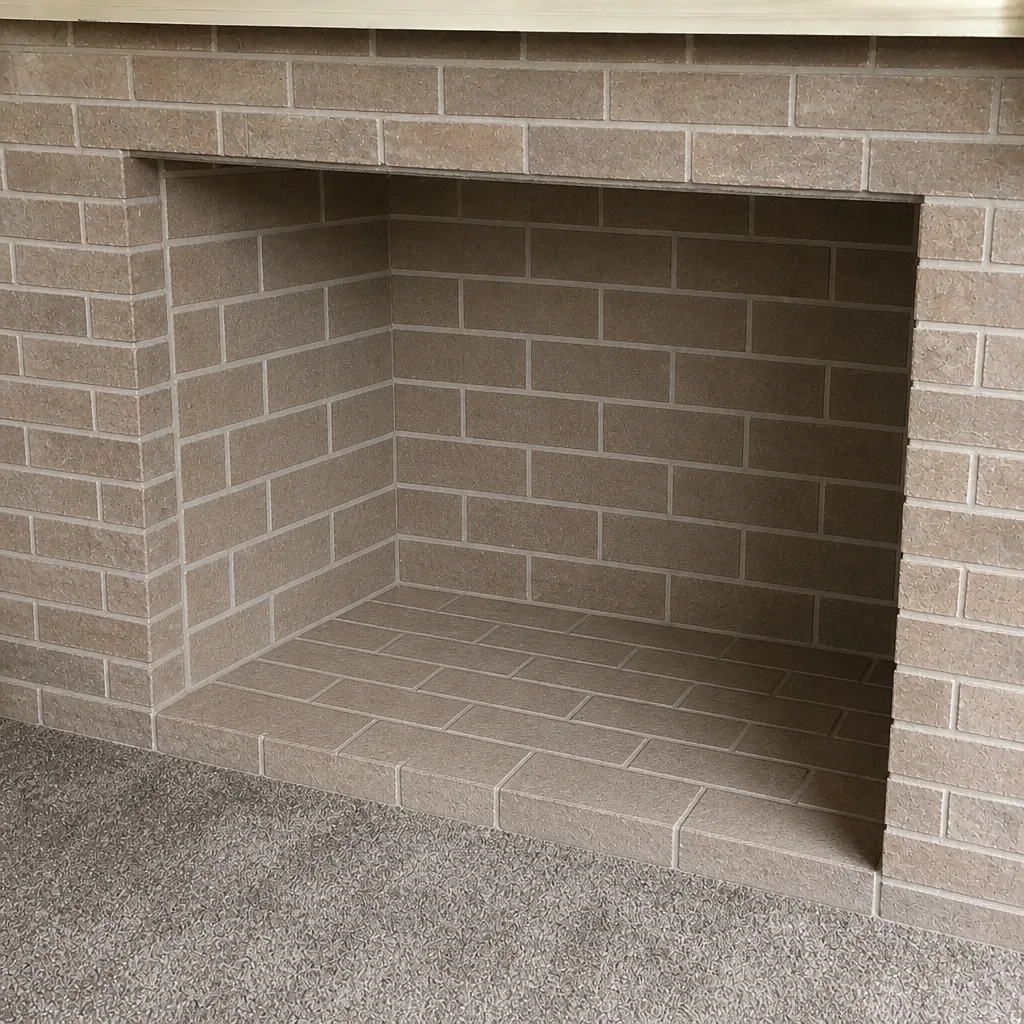
See the difference
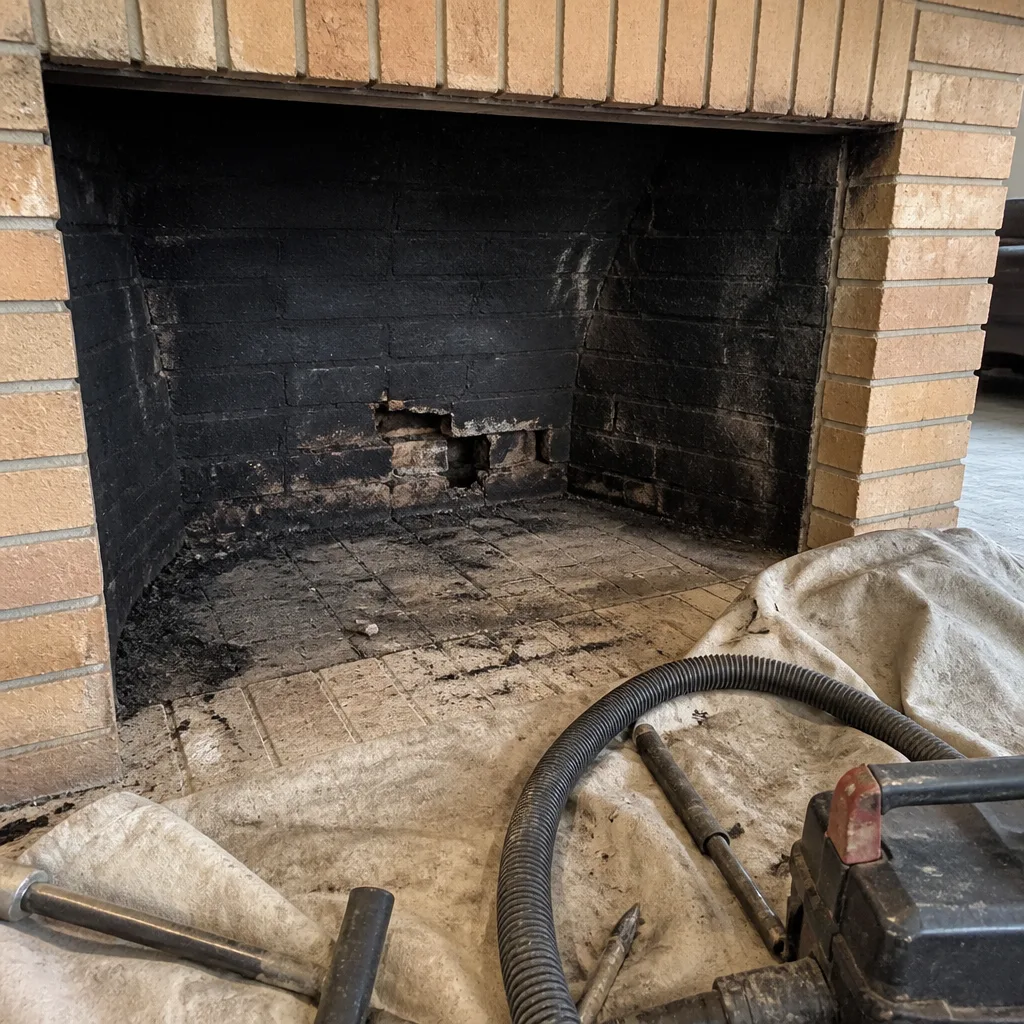 Before
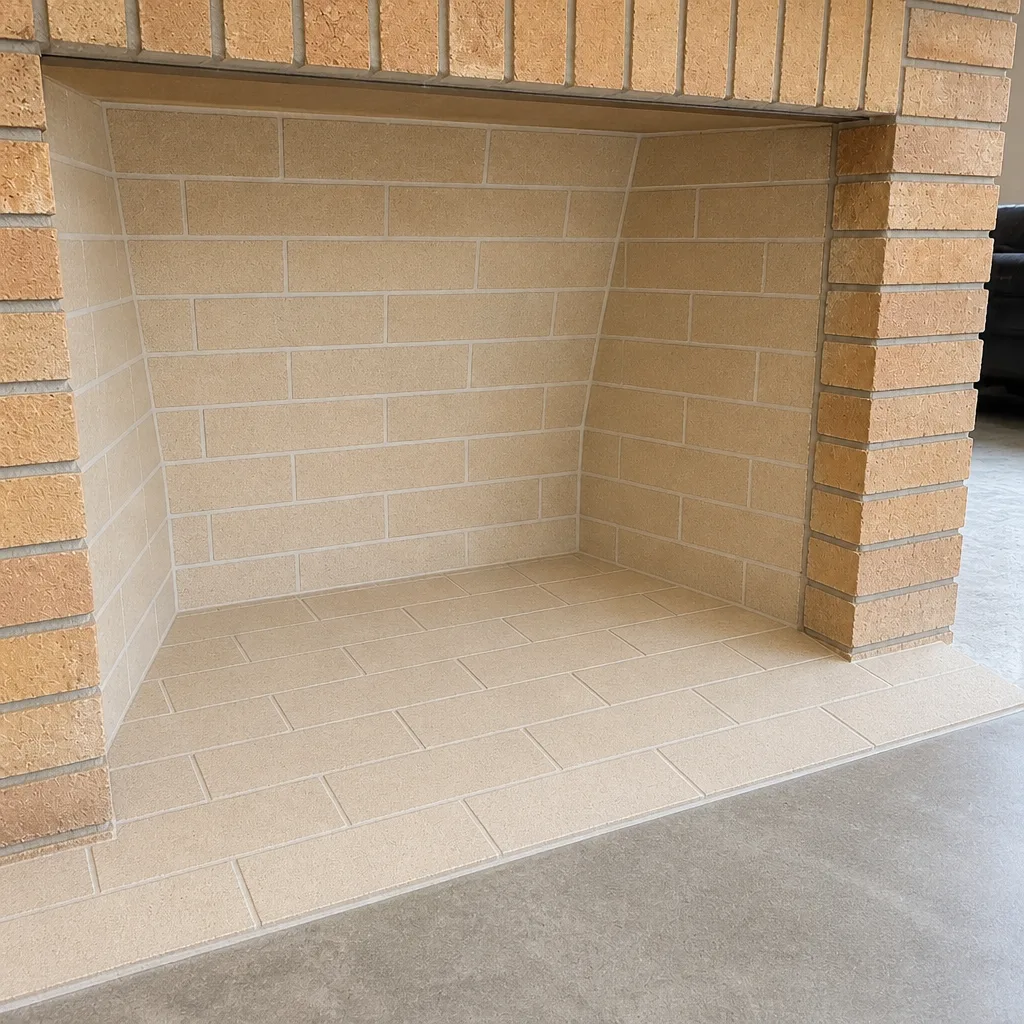 After
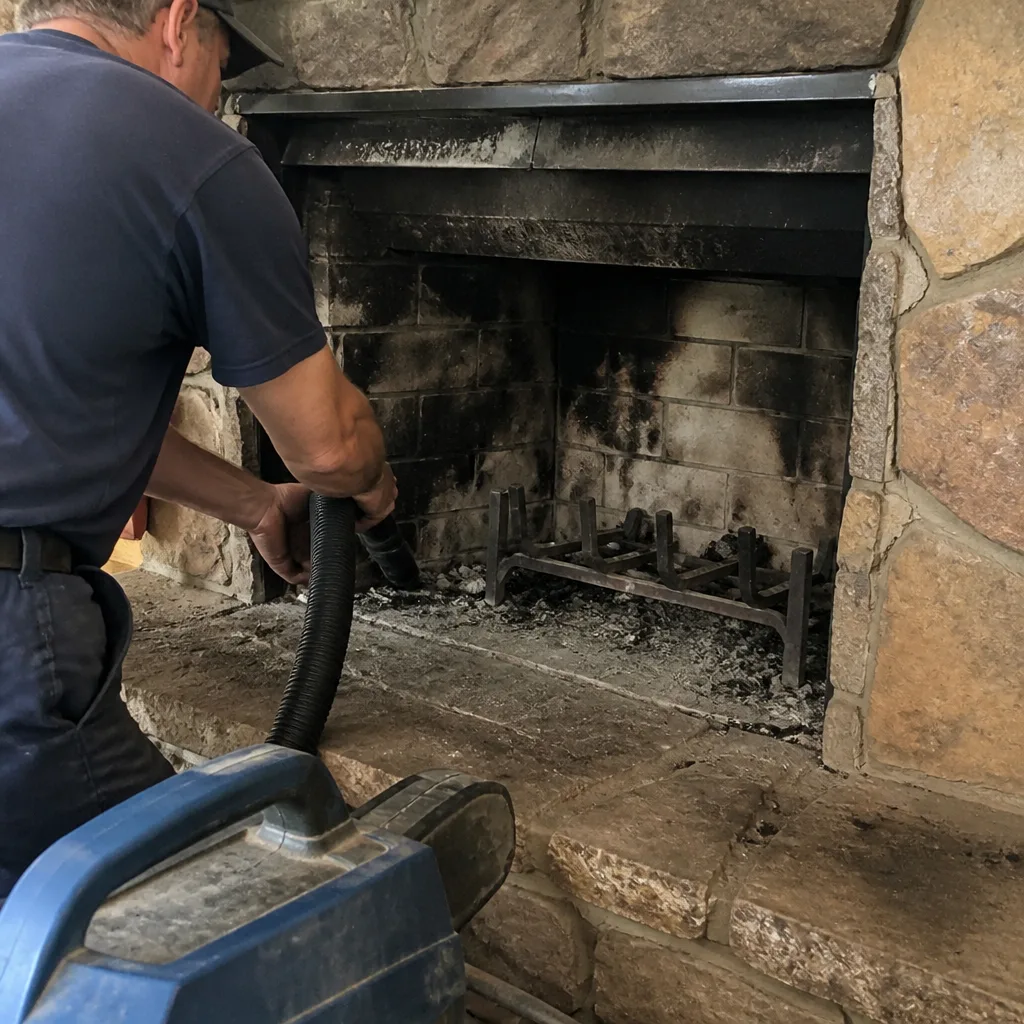 Before
 After
 Before
 After