
Last updated November 15, 2026
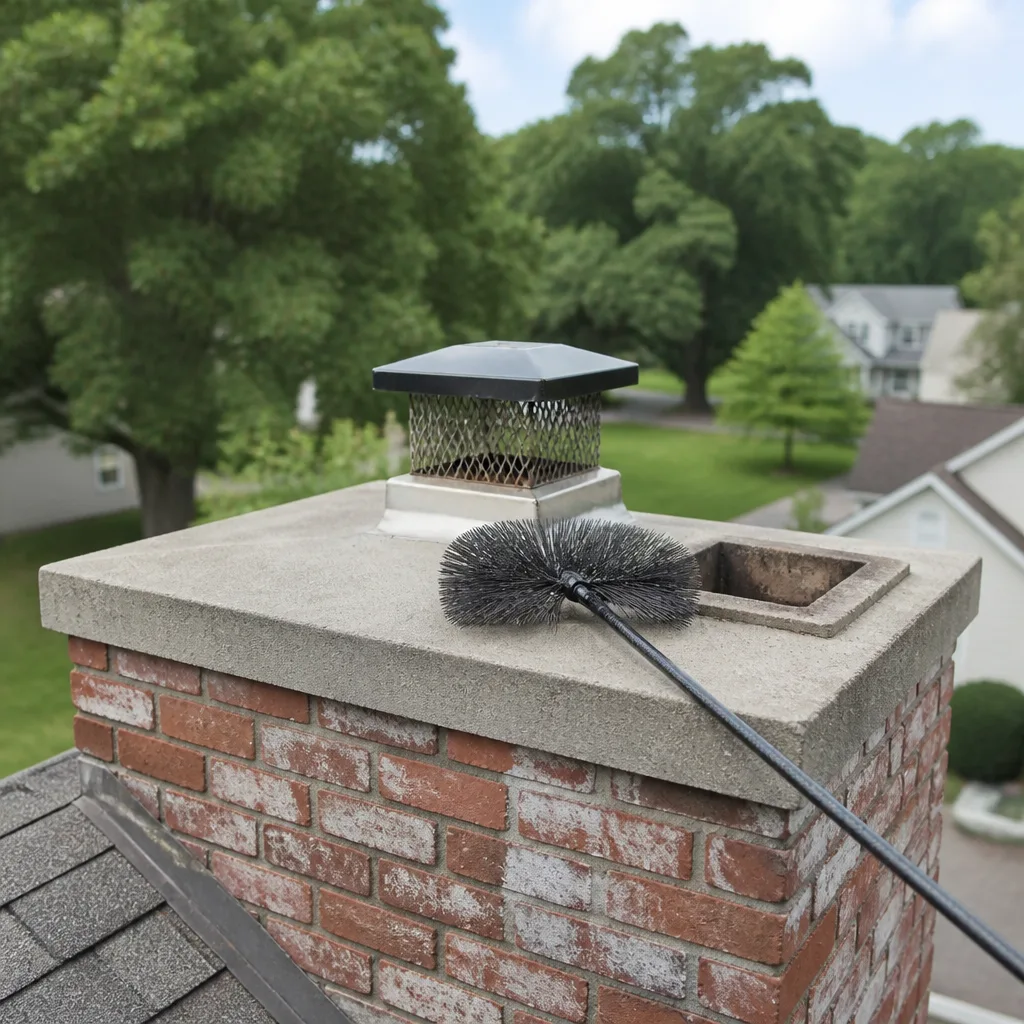 Sweep & inspection
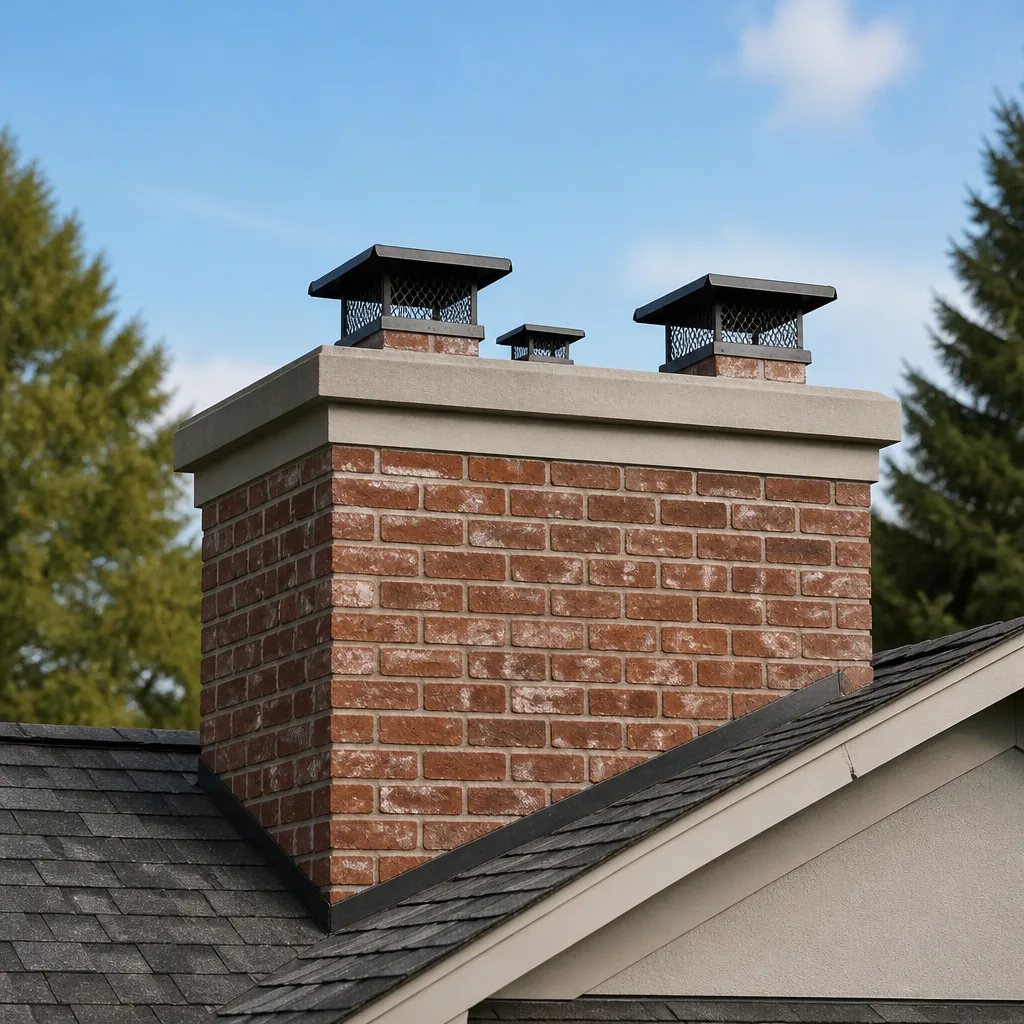 Caps & crowns
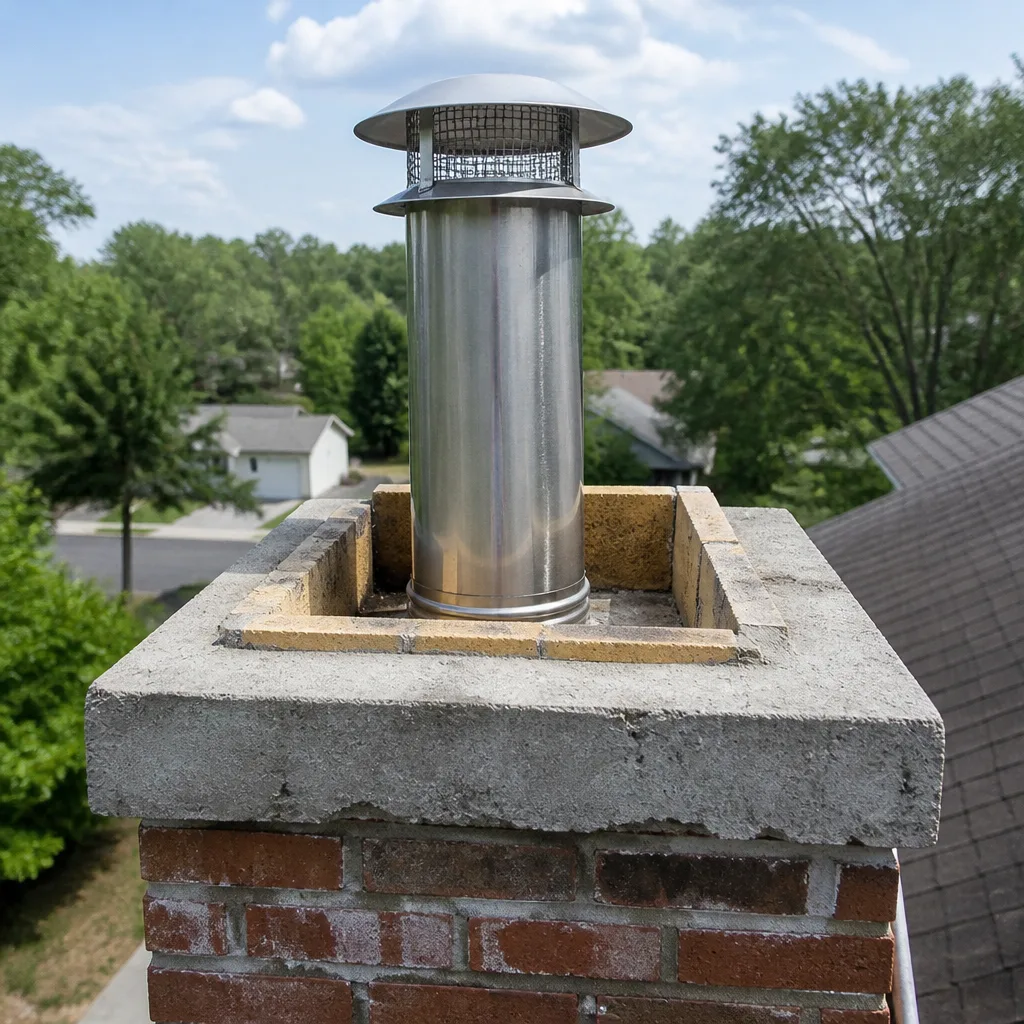 Flue relining
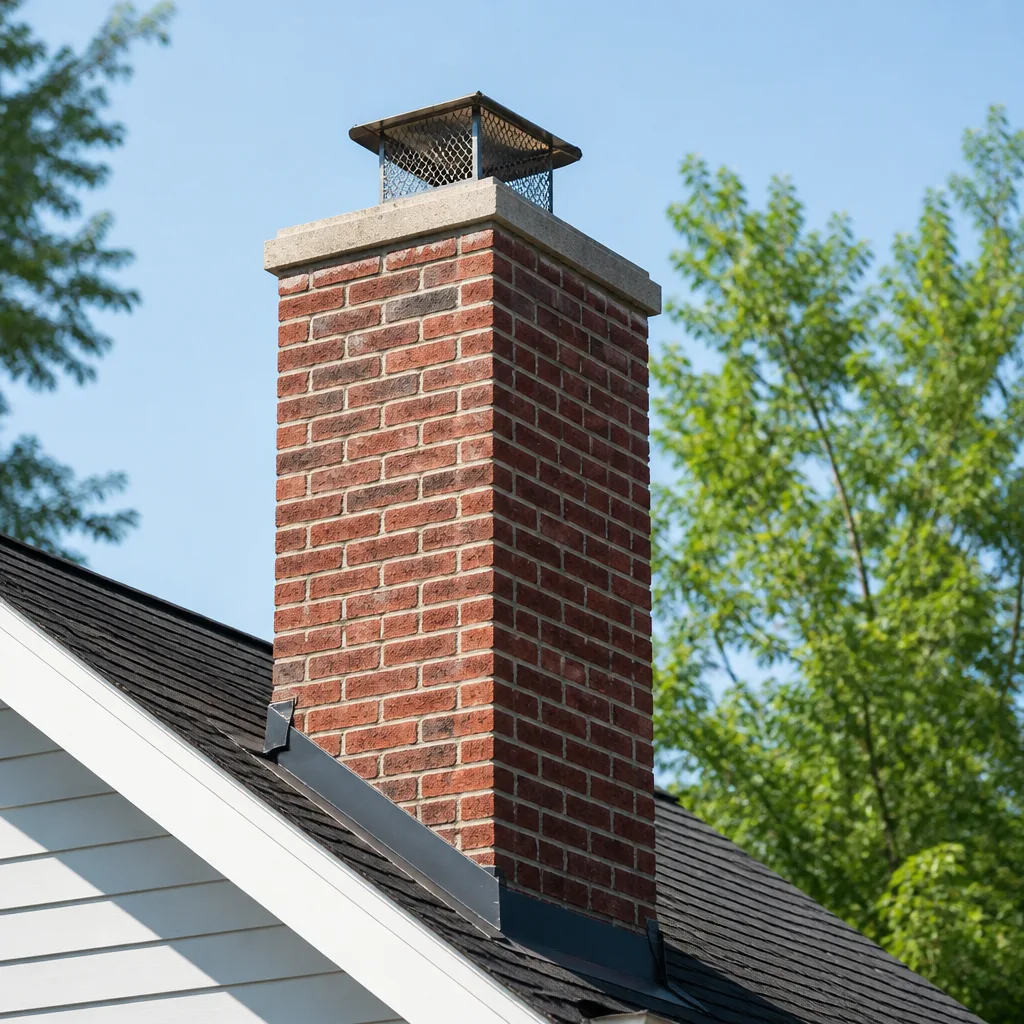 Masonry repair
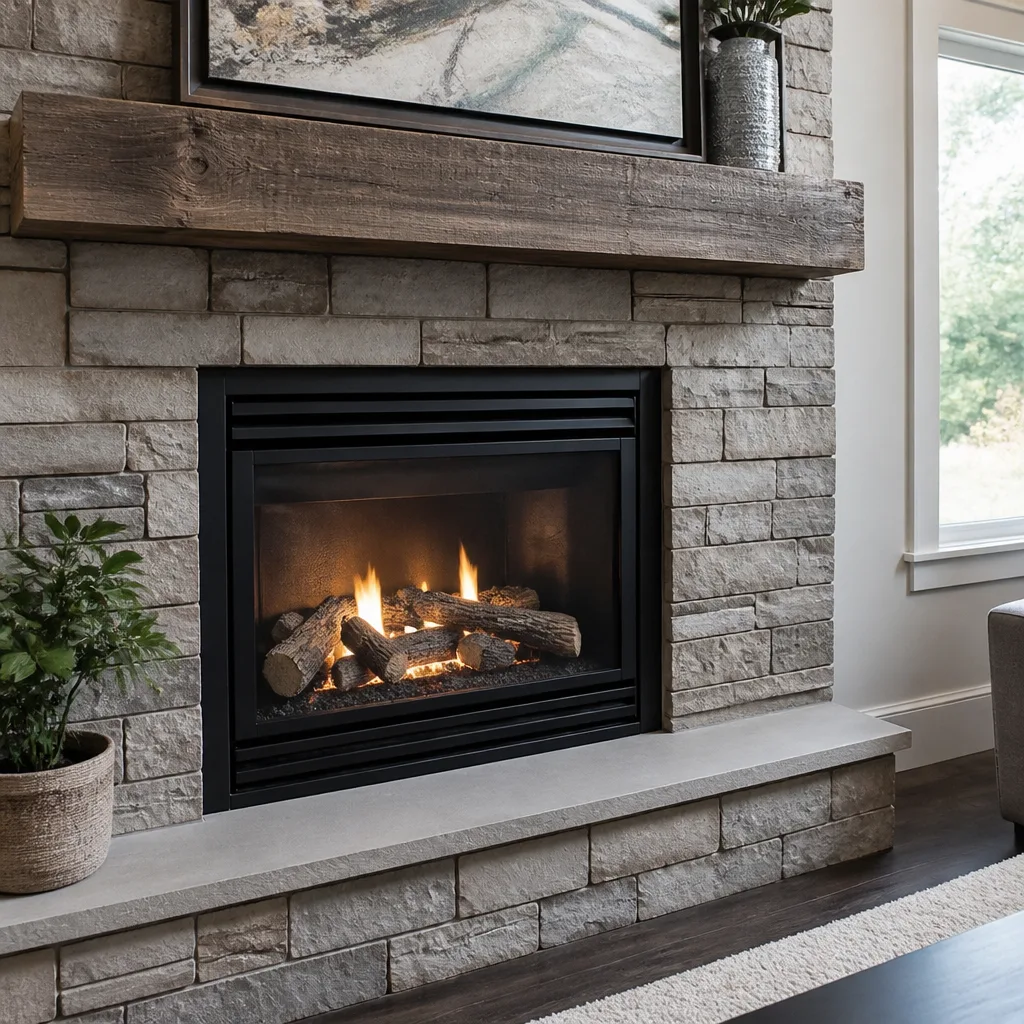 Gas fireplace service
Level 1 sweep and inspection to the NFPA 211 annual standard - flue, crown, cap, and flashing checked and photographed
Chimney sweep logs do not sweep chimneys. They loosen some creosote - which then falls where a brush and vacuum still have to collect it.
How to Hire a Chimney Cleaning Contractor in Lehigh Acres: A Step-by-Step Guide
Asking a contractor “are you certified?” isn’t enough. There are multiple certification bodies in this trade, some more rigorous than others, and a laminated card doesn’t tell you whether the technician has ever installed a DuraFlex liner or knows what Stage 3 creosote looks like when it’s glazed onto a flue wall. Lehigh Acres has plenty of pressure washers, handymen, and general contractors who list chimney sweeping on their service menu. Very few of them carry the liability coverage, the material knowledge, or the tools to do the job without leaving a hazard behind. This guide gives you a concrete vetting framework: what credentials actually mean, which questions separate specialists from generalists, where to verify a Florida license, and what a legitimate service report should contain before you pay a dime.
Quick Answer
To hire a chimney cleaning contractor in Lehigh Acres, verify the company’s Florida license and insurance in the state database, ask what liner and cap materials they actually stock by brand name, confirm they perform a camera inspection with a written photo report, and get a flat price in writing before booking. A legitimate chimney company will answer every one of those questions without hesitation. A generalist who added sweeping as an upsell usually can’t.
Styles & brands we work with
- Sweep & inspection
- Caps & crowns
- Flue relining
- Masonry repair
- Gas fireplace service
Table of Contents
- Why Hiring the Right Chimney Contractor Matters More Than the Price
- What CSIA, NFI, and NCSG Credentials Actually Cover
- Five Questions to Ask Before You Book
- How to Verify Florida Licensing and Insurance for Chimney Work
- Red Flags in a Chimney Sweep Quote
- What a Legitimate Post-Service Report Should Contain
- Lehigh Acres Climate and How It Affects Your Chimney
- Don’t Forget the Dryer Vent
Why Hiring the Right Chimney Contractor Matters More Than the Price
A chimney sweep visit is one of the few home services where a bad job doesn’t show up right away. The flue looks clean from the firebox. The fireplace draws fine. Then a season goes by and the creosote that was missed – or the cracked liner tile nobody documented – becomes a real problem. The wrong hire can leave hazards in place while giving you a false sense of safety, and that’s a worse outcome than not hiring anyone at all.
The distinction that matters most in the Lehigh Acres market is scope. A handyman can push a brush up a flue. What he typically can’t do is inspect a liner with a camera, identify Stage 2 or Stage 3 creosote, recognize a crown crack that’s letting water into the masonry, or tell you whether the liner is rated for the appliance connected to it. Those are the findings that determine whether your chimney is safe to use – and they’re exactly what a generalist skips because he doesn’t have the training or the equipment to look.
Chimney work also carries a specific liability profile. Someone working on your roof is exposed to fall risk. Someone working inside your flue is dealing with combustion byproducts and, in the worst cases, an active fire hazard. A company that carries proper liability coverage and understands the trade is protecting you as much as itself. A pressure-washing outfit with a ladder and a brush is not.
Price matters, but it’s the worst single filter for this decision. A suspiciously low quote almost always reflects something missing from the job: no camera inspection, no drop cloths, no written report, no liner assessment. You’re not saving money – you’re paying for a service that didn’t happen. The framework in this guide starts with credentials and scope, then works toward price once you know what you’re actually buying.
What CSIA, NFI, and NCSG Credentials Actually Cover
There are three credentialing bodies you’ll hear about in this trade, and they don’t cover the same ground. Knowing the difference tells you which credential matters for the type of work you’re hiring for. If you’re an average homeowner who wants to know the tech on your roof is competent, here’s the breakdown.
CSIA – Chimney Safety Institute of America
The CSIA is the credential most directly tied to chimney sweeping and inspection. A CSIA-certified sweep has passed an exam covering chimney construction, venting, codes, and the sweep process itself. The CSIA also requires continuing education to maintain the credential, which means a CSIA-certified technician is staying current on code changes and best practices. For a routine chimney sweep and inspection in Lehigh Acres, CSIA certification is the baseline you should expect.
NFI – National Fireplace Institute
The NFI certifies technicians on gas, wood, and pellet appliance installation and service. Where CSIA focuses on the chimney and venting system, NFI focuses on the appliance. If your home has a gas fireplace insert or a wood stove that needs service or assessment, an NFI-certified technician brings the appliance-specific knowledge. The two credentials complement each other. A company that holds both can assess the full system, appliance and flue together.
NCSG – National Chimney Sweep Guild
The NCSG is a trade membership organization rather than a certification body. Membership signals that a company has chosen to participate in the professional community and follows the guild’s code of ethics. It’s a positive signal, but it isn’t a substitute for individual technician certification. NCSG membership without CSIA certification is a member, not a certified sweep.
Which One to Prioritize
For sweeping and inspection, prioritize CSIA. For gas or wood appliance work, add NFI. For structural repair work, ask what the company uses for liner restoration – HeatShield resurfacing, DuraFlex stainless liners, Olympia Chimney components, and similar professional-trade products are the names a specialist will know and work with. A company that can’t name a single liner material it stocks is a company that doesn’t do liner work.
Five Questions to Ask Before You Book
These five questions separate a chimney specialist from a generalist in under five minutes on the phone. The answers matter more than the tone. A specialist answers all five specifically. A generalist answers vaguely or redirects.
- What liner materials do you stock? Not “what services do you offer” – what materials. A real chimney company stocks professional-grade products: DuraFlex stainless liners, HeatShield flue resurfacing compound, Gelco and Famco venting components, Olympia Chimney parts. If the answer is “we can get whatever we need,” that means no stock, no material knowledge, and probably no liner capability.
- Do you perform a camera inspection, and will I see the footage? A camera in the flue is the difference between a real inspection and a visual glance. Insist on seeing the images, not just hearing a summary. The footage is your evidence.
- What does your written report include? A one-line receipt is not a report. Ask what documentation you’ll receive when the job is done – photos, findings, recommendations, and a clear statement of what’s safe to use now versus what needs attention.
- Are you licensed and insured specifically for chimney work? Ask for the license type and the insurer. A general liability policy for pressure washing does not cover chimney work. Verify it independently (see the next section).
- What’s your flat price for the sweep, and does it include the inspection? The price you’re quoted up front should cover the sweep and the inspection, with a written report. If the inspection is an add-on, or the price depends on “what we find,” ask why before you book.
Chimney Sweep Lehigh Acres works with DuraFlex, HeatShield, Gelco, Olympia Chimney, Famco, and Copperfield products, so those answers come from actual stock and actual work rather than a service-menu line. Our technicians have up to 8 years of experience and handle cleaning, repair, and dryer vent service as three distinct service lines – which means most findings can be resolved in a single visit rather than handed off to someone else.
How to Verify Florida Licensing and Insurance for Chimney Work
Florida has a state database you can check yourself in a few minutes, and doing it is the difference between trusting a business card and knowing who’s actually on your roof. The database is the Florida Department of Business and Professional Regulation (DBPR) license lookup, available through the DBPR’s online portal. You search by the company name or the individual’s name and you see the license type, status, and expiration.
Chimney work in Florida doesn’t sit under a single obvious license category, which is part of why verification matters. Depending on the scope, the work can fall under a general contractor license, a specialty contractor license, or a roofing license for components that sit on or through the roof. Ask the company which license it holds and then confirm it yourself.
Insurance is the second half of the check. Request a certificate of insurance naming the company, showing general liability coverage, and ask whether the policy covers chimney and roof work specifically. A certificate for pressure washing or general handyman work does not cover a technician on a roof working on a flue. If the company can’t produce a certificate, or produces one that doesn’t match the work, that’s your answer.
Two things to keep in mind while you verify:
- Licensing and insurance are separate. A company can be licensed and uninsured, or insured and unlicensed. Check both.
- A verbal “yes, we’re licensed” is not verification. The DBPR database and the certificate of insurance are.
The five-minute check also protects you if something goes wrong. If a technician falls off your roof or damages your liner, the resolver of that claim is the insurance certificate, not the phone number you called. Verifying before booking is the cheapest insurance you can buy on a chimney job.
Red Flags in a Chimney Sweep Quote
Most of what separates a good quote from a bad one is visible in the quote itself, before anyone shows up. The single biggest red flag is price – not because high is good and low is bad, but because a quote that sits well below the local market almost always reflects something missing from the work. Here’s the short list of what to watch for.
- A price too low to cover a real inspection. A camera inspection, drop cloths, a full sweep, and a written report all cost time and equipment. A quote that doesn’t account for them usually means none of them are happening.
- No camera in the scope. If the quote doesn’t mention a camera inspection, assume there isn’t one. A visual glance from the firebox cannot see the upper flue, the liner joints, or the crown.
- No written report. If the deliverable is a receipt, there’s no documentation of what was found, which means nothing to compare against next year and nothing to hand your insurer.
- Generic materials – or no materials. A company that can’t name a liner brand or a cap manufacturer doesn’t do that work. “We use whatever’s available” is the answer of a generalist, not a chimney specialist.
- Upfront pressure to buy a liner. A liner recommendation should be backed by camera footage you can see and understand. If the recommendation arrives before the inspection, it’s a sales call.
- No license or insurance certificate on request. Covered above, worth repeating: a company that dodges the question is telling you something.
- No drop cloths or containment in the description. A real sweep protects your floors, your furniture, and your indoor air. A one-line quote usually doesn’t mention any of it because none of it is planned.
What a Legitimate Post-Service Report Should Contain
The report is the part of a chimney service most homeowners undervalue, and it’s the part that determines whether you can trust the work. A legitimate report tells you what was found, what it means, and what – if anything – needs to happen next. A one-line receipt tells you only that someone was there.
Here’s what a real post-service report covers:
- Photos of the flue, the firebox, the damper, and the crown. The camera footage and any exterior shots, so you can see the condition yourself rather than take a summary on faith.
- A creosote assessment. Degree of buildup (Stage 1, 2, or 3) and where it’s concentrated. Stage 3 glazed creosote is a genuine fire hazard and needs a different remediation than a standard sweep.
- Liner condition. Whether the liner is intact, has cracks or gaps, and whether it’s rated for the appliance connected to it. This is where liner recommendations come from, and where HeatShield resurfacing or a DuraFlex reline might be discussed.
- Draft and venting notes. Whether the flue is drawing properly and whether the cap and venting components are intact and correctly sized.
- A clear statement of what needs attention now versus what can wait. A good report says plainly when a fix can safely wait, which is the single most useful line in the document for most homeowners.
- Recommendations with reasoning. If a repair is recommended, the report should say why – what the footage shows, what the risk is, and what the fix involves.
Chimney Sweep Lehigh Acres includes camera inspection and a photo report with the sweep, so you see what we see. Nothing is recommended without evidence you can look at yourself, and we say plainly when work can safely wait. The written estimate sets the final price, and the estimate is free.
Lehigh Acres Climate and How It Affects Your Chimney
Lehigh Acres winters are mild, and that fact shapes chimney maintenance here in ways that differ from colder parts of the country. You’re not dealing with freeze-thaw cycles, snow load, or long stretches of sub-freezing nights. You are dealing with humidity, heavy summer rain, and a burn season that runs shorter and less intensely than most homeowners expect.
Those three factors matter for how often you should sweep and what you should watch for:
- Shorter burn season means slower creosote accumulation, but not zero. A homeowner who burns a few cords per winter may go two or three years between sweeps. A homeowner who burns more, or burns unseasoned wood, may need it annually. The right interval depends on what the flue looks like, which is why the inspection matters as much as the sweep.
- Humidity and rain drive water intrusion. The crown, the flashing, and the cap all deal with heavy summer rain in Lehigh Acres. A cracked crown or a missing cap lets water into the masonry, and water in a chimney leads to spalling, rusted components, and deteriorated liner joints. That’s a structural issue found during a sweep, not a cosmetic one.
- Mild winters make the fireplace easy to forget. A fireplace that goes unused for a season doesn’t get inspected. Then a cold snap arrives, the fireplace gets used, and the problems that built up over the unused months show up as poor draft, smoke in the room, or worse. An inspection before burn season is the simplest fix.
Most of Lehigh Acres sits in a climate where the chimney isn’t the first thing on a homeowner’s mind, and that’s exactly why problems get missed. If your fireplace hasn’t been looked at in a few seasons, a sweep and inspection before you light the next fire is a more useful investment than waiting.
Don’t Forget the Dryer Vent
A dryer vent is a chimney in all but name – a duct carrying heat, lint, and combustion byproducts out of your home – and it’s the one fire-safety system most homeowners never think about. The National Fire Protection Association links dryer vent issues to thousands of residential fires every year. Lint buildup in the duct restricts airflow, the dryer runs hotter, and the conditions for a fire are in place.
Most chimney-only companies ignore the dryer vent entirely. That’s a gap in coverage, because the dryer vent is a fire-safety system and it deserves the same inspection standard as the flue. A proper dryer vent cleaning includes removing lint buildup from the full length of the duct, checking the termination point for blockages, and confirming the vent isn’t crushed or disconnected behind the dryer.
The signs a dryer vent needs attention are easy to spot: clothes take longer than they used to, the dryer feels hot to the touch, there’s a musty smell in the laundry area, or the outside vent flap doesn’t open fully when the dryer runs. Any of those means the duct needs a look. Chimney Sweep Lehigh Acres includes dryer vent cleaning as a dedicated service line, which means you can have the flue and the dryer duct assessed on the same visit rather than scheduling two companies.
Common Mistakes to Avoid
- Asking “are you certified?” and accepting a yes. Ask which certification, through which body, and confirm it. CSIA, NFI, and NCSG membership mean different things, and a laminated card is not a CSIA certificate.
- Choosing the lowest quote without asking what’s in it. A cheap sweep that skips the camera inspection and the written report is a service that didn’t happen. You’re paying for the documentation as much as the brush.
- Skipping the license and insurance check. The DBPR database and a certificate of insurance take five minutes. A technician on your roof without coverage is a liability you can’t undo after an accident.
- Accepting a liner recommendation without seeing the footage. A liner is a significant repair. It should be backed by camera evidence you can look at and understand, not a summary and a signature line.
- Ignoring the dryer vent because it isn’t the chimney. The dryer duct is a fire-safety system in your home, and lint buildup in it is a leading cause of residential fires. It deserves the same attention as the flue.
- Hiring a generalist who “also does chimneys.” A pressure-washing company or handyman that added sweeping as an upsell usually lacks the liner materials, the camera, and the trade knowledge. The work looks done and isn’t.
- Waiting until something goes wrong. A chimney inspection before burn season catches liner cracks, creosote buildup, and water intrusion while they’re still cheap to fix. Waiting until smoke comes into the room turns a small repair into a larger one.
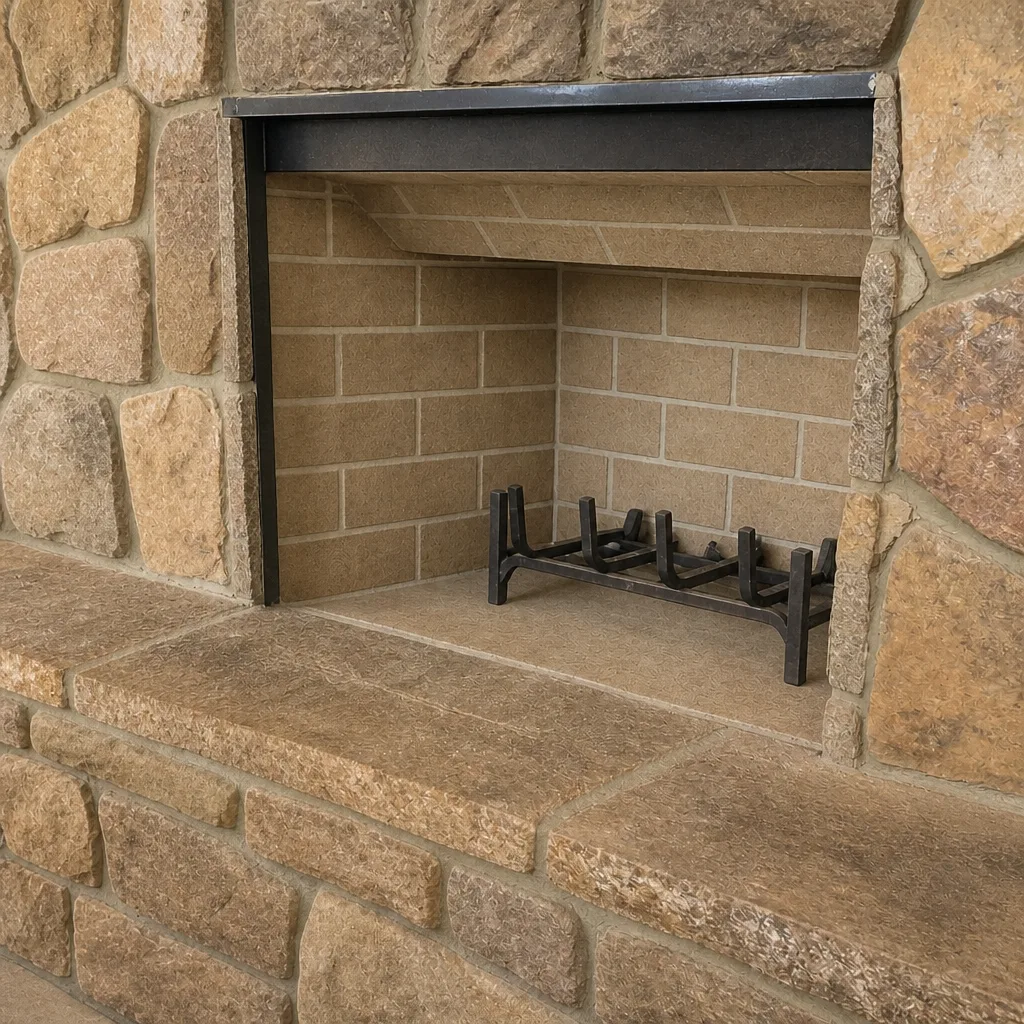
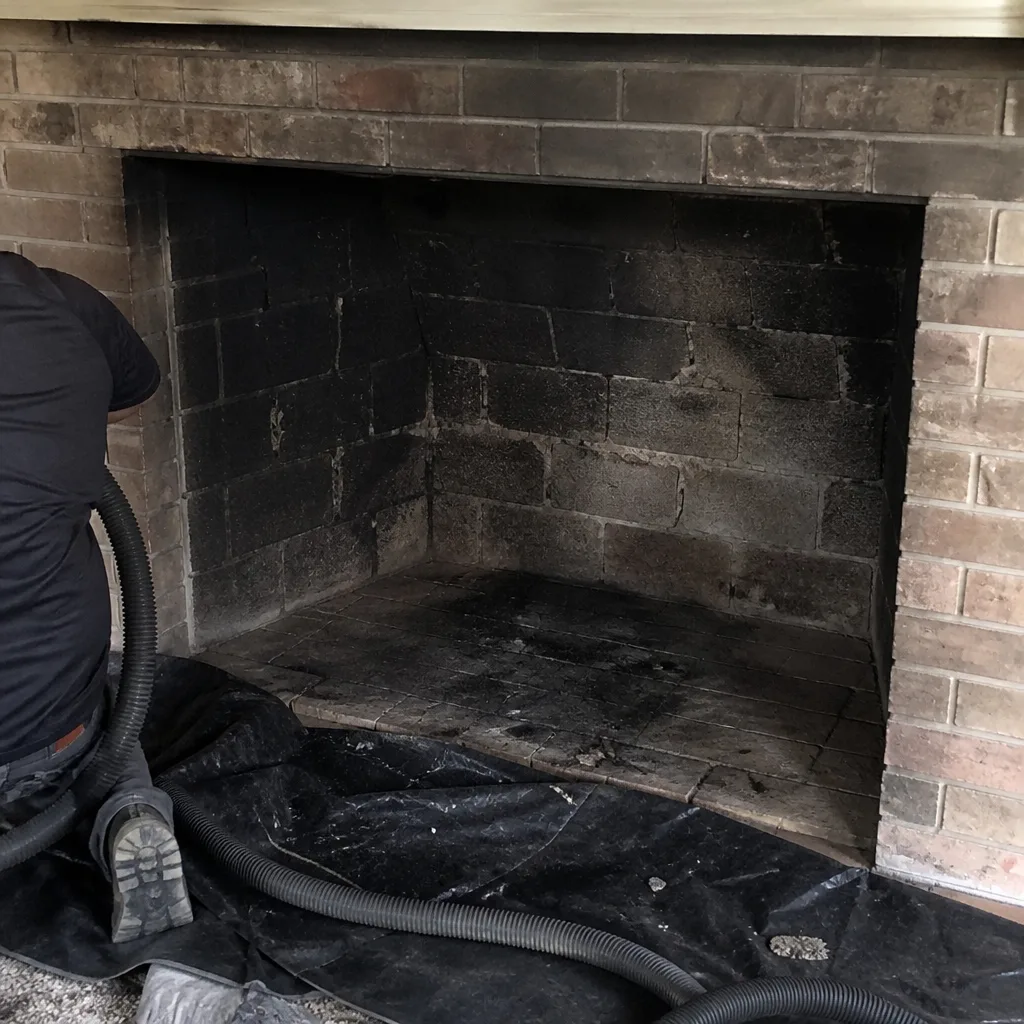
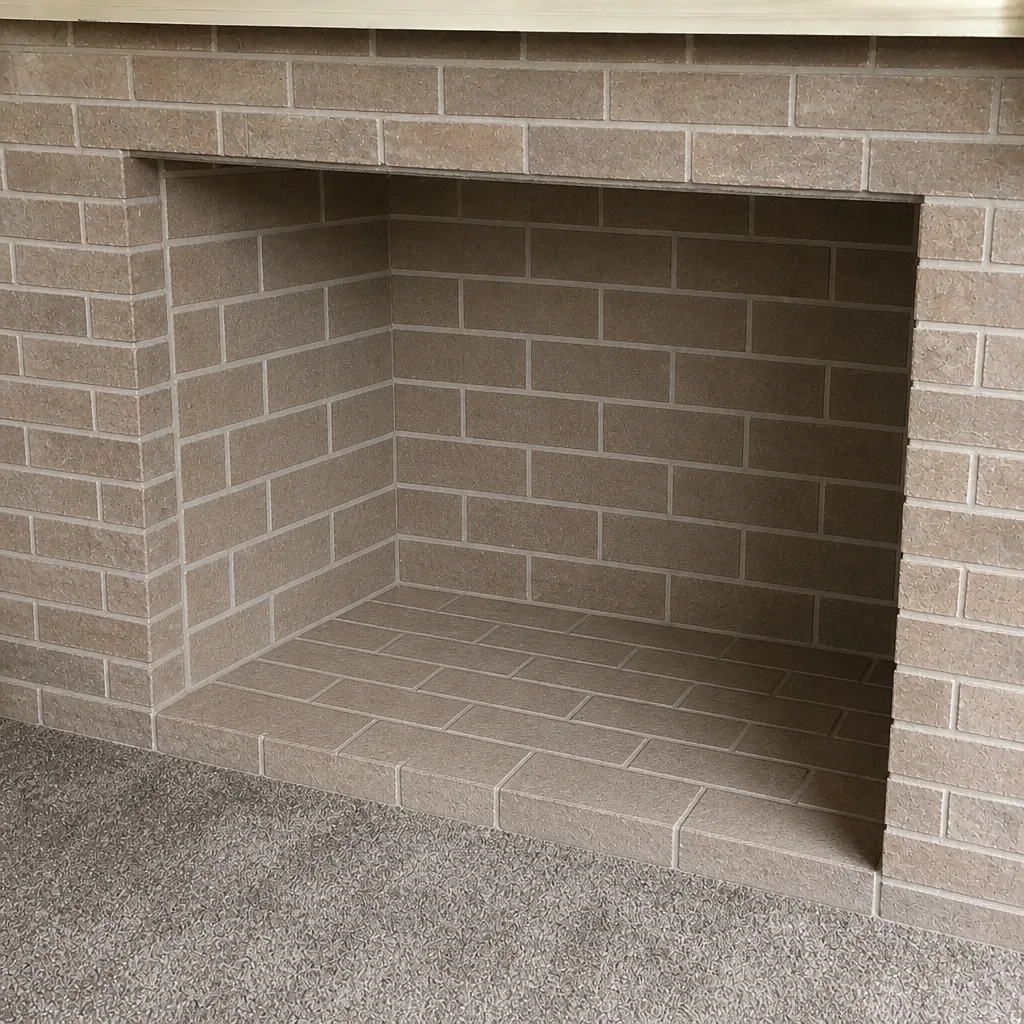
See the difference
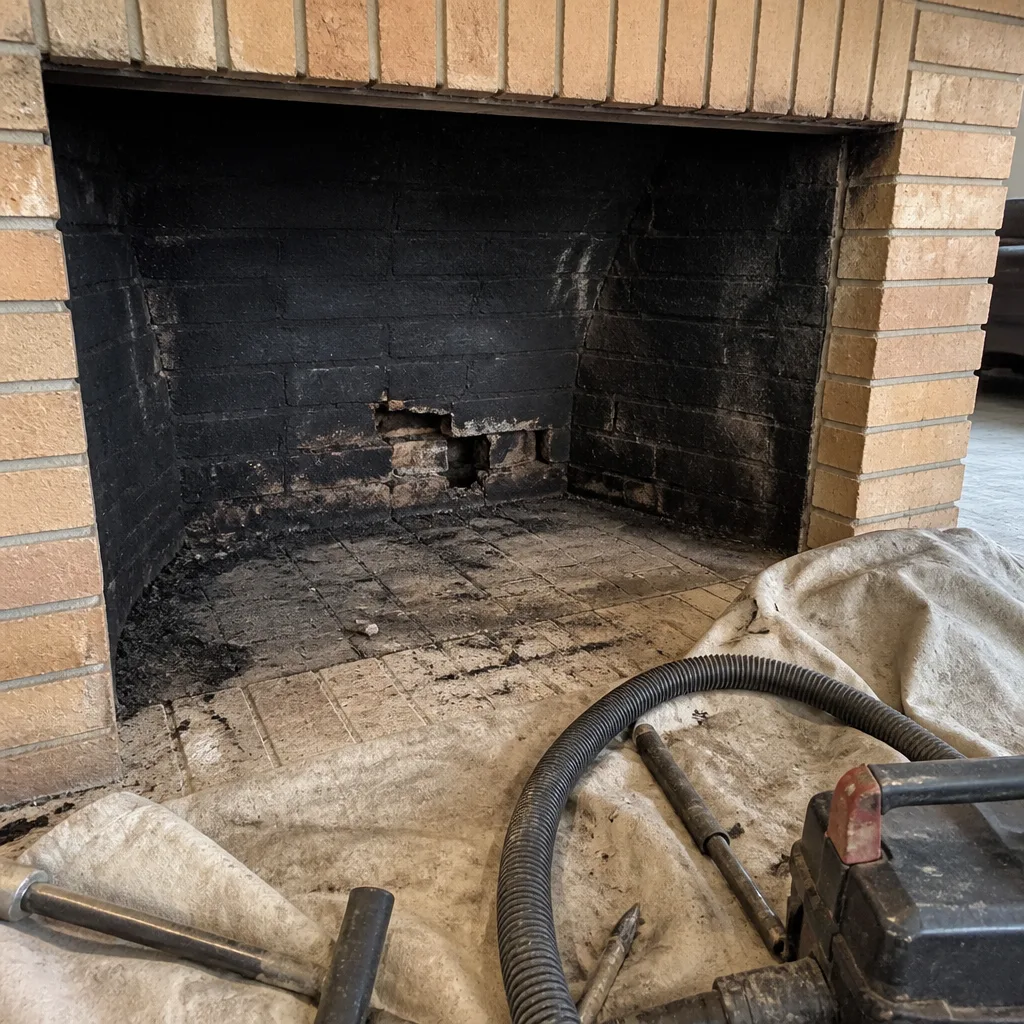 Before
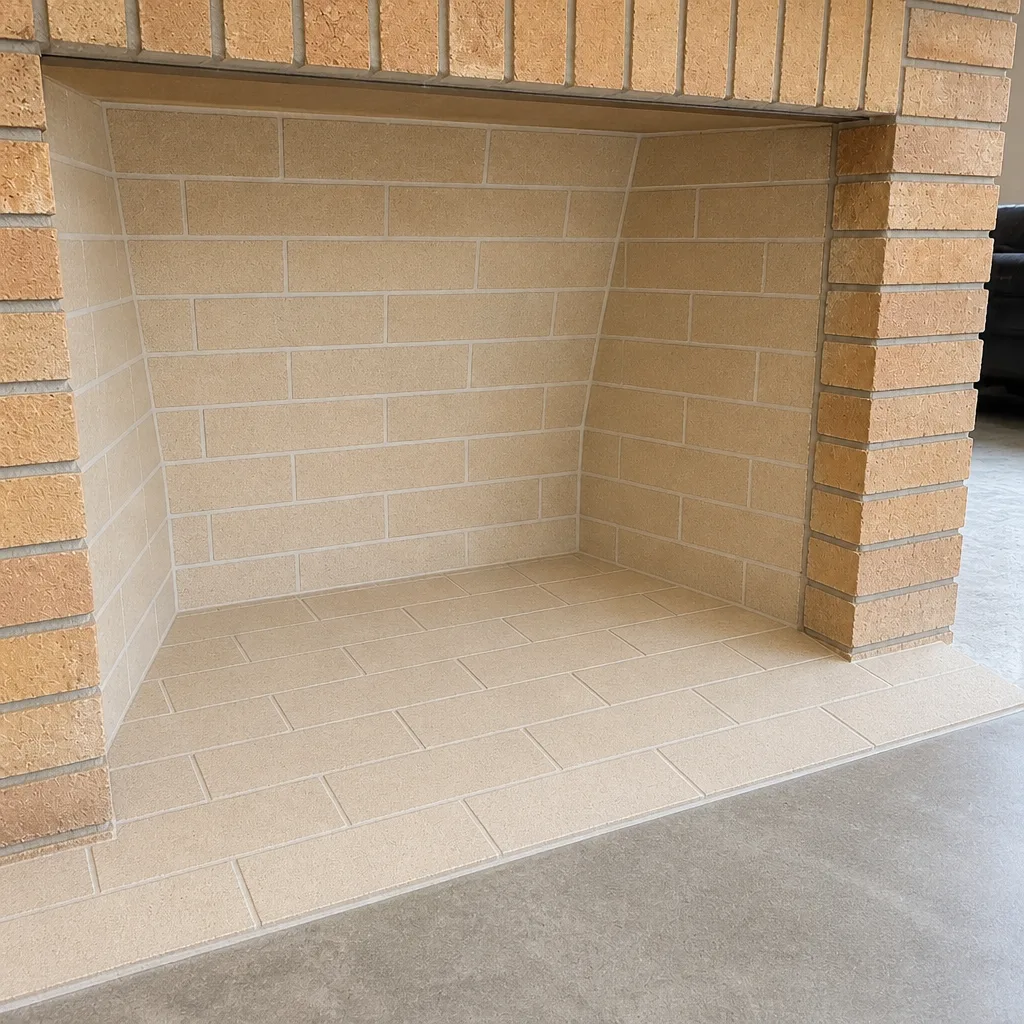 After
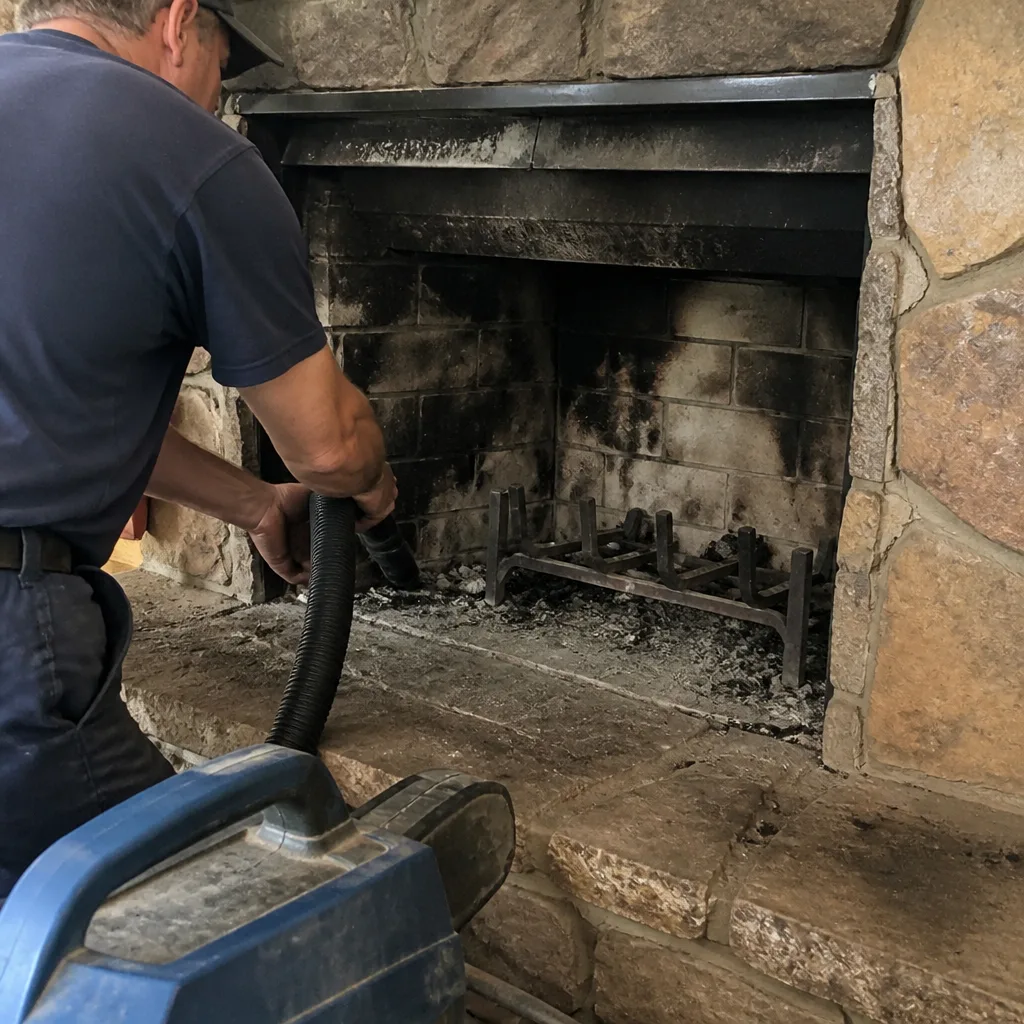 Before
 After
 Before
 After
When to Call a Professional
Some chimney symptoms are safe to note and address at your next scheduled sweep. Others warrant a call now. Call a professional if you smell a strong creosote or smoky odor in the room when the fireplace isn’t in use, if smoke rolls into the room instead of going up the flue, if you see cracked or crumbling masonry on the chimney exterior, or if the damper won’t open or close smoothly. Call if the dryer is running hot, taking longer, or the outside vent flap stays shut when the dryer runs. Call if you’ve never had the chimney inspected and you don’t know when it last was. And call before your first fire of the season if it’s been more than two seasons since the last sweep.
Chimney Sweep Lehigh Acres offers free estimates in Lehigh Acres – call (855) 473-9633. We answer 24/7, with fast dispatch from 7am to 7pm, Sunday through Friday.
Frequently Asked Questions
A standard chimney sweep in Lehigh Acres typically costs between $150 and $350, and that price should include a camera inspection and a written photo report. The written estimate sets the final price. Call (855) 473-9633 for an exact quote – estimates are free.
You need a new liner if the camera shows cracked, gaping, or deteriorated liner tiles that can’t safely contain the flue gases – not before. A liner recommendation without footage you can see is not a recommendation, it’s a sales pitch. Ask to see the images, ask what the risk is if you wait, and ask what the fix involves. HeatShield resurfacing can restore some compromised liners without a full reline, and a qualified technician will tell you which situation you’re in. Call (855) 473-9633 for an assessment – estimates are free.
Most chimneys should be swept and inspected annually, though a Lehigh Acres homeowner with a short burn season and light use may safely go two or three years between sweeps if the inspection shows minimal creosote. The right interval is what the flue looks like, not a calendar rule. Call (855) 473-9633 to book an inspection and get a straight answer on your chimney.
Creosote builds up, draft worsens, and at Stage 3 the glazed creosote becomes a genuine fire hazard inside the flue. Water intrusion through a cracked crown or missing cap damages the masonry and liner joints over time. A dryer vent that goes uncleaned accumulates lint that restricts airflow and creates fire conditions. None of these announce themselves until they’re serious. Call (855) 473-9633 before burn season – estimates are free.
Use the Florida Department of Business and Professional Regulation (DBPR) online license lookup and search by the company or individual name to confirm the license type and status. Then request a certificate of insurance and confirm it covers chimney and roof work specifically. A verbal yes is not verification. Call (855) 473-9633 if you want to talk through what to check – estimates are free.
Yes, and it’s the better arrangement. Chimney Sweep Lehigh Acres handles chimney sweeping, chimney repair, and dryer vent cleaning as three distinct service lines, so most findings can be addressed on a single visit with a single vendor. That matters because the flue and the dryer duct are both fire-safety systems and both deserve the same inspection standard. Call (855) 473-9633 to book both – estimates are free.
The Bottom Line
Hiring a chimney contractor in Lehigh Acres comes down to four checks: verify the license and insurance in the DBPR database, ask which certifications the technician actually holds and confirm them, ask what liner and cap materials the company stocks by brand name, and insist on a camera inspection with a written photo report you can see for yourself. A specialist answers all four without hesitation. A generalist doesn’t. Price is the last filter, not the first, and a quote that skips the inspection and the report is a service that didn’t happen. When work can safely wait, a good contractor will tell you that plainly.
Chimney Sweep Lehigh Acres handles chimney sweeping, chimney repair, and dryer vent cleaning as one scope, using professional-grade materials from DuraFlex, HeatShield, Gelco, Olympia Chimney, Famco, and Copperfield. Our technicians have up to 8 years of experience. Nothing is recommended without camera evidence you can see, and the written estimate sets the final price. Call (855) 473-9633 for a free estimate. We answer 24/7, with fast dispatch from 7am to 7pm, Sunday through Friday. For the full scope of what we do in the area, start at Chimney Sweep Lehigh Acres.
Written by the team at Chimney Sweep Lehigh Acres.