
Last updated November 15, 2026
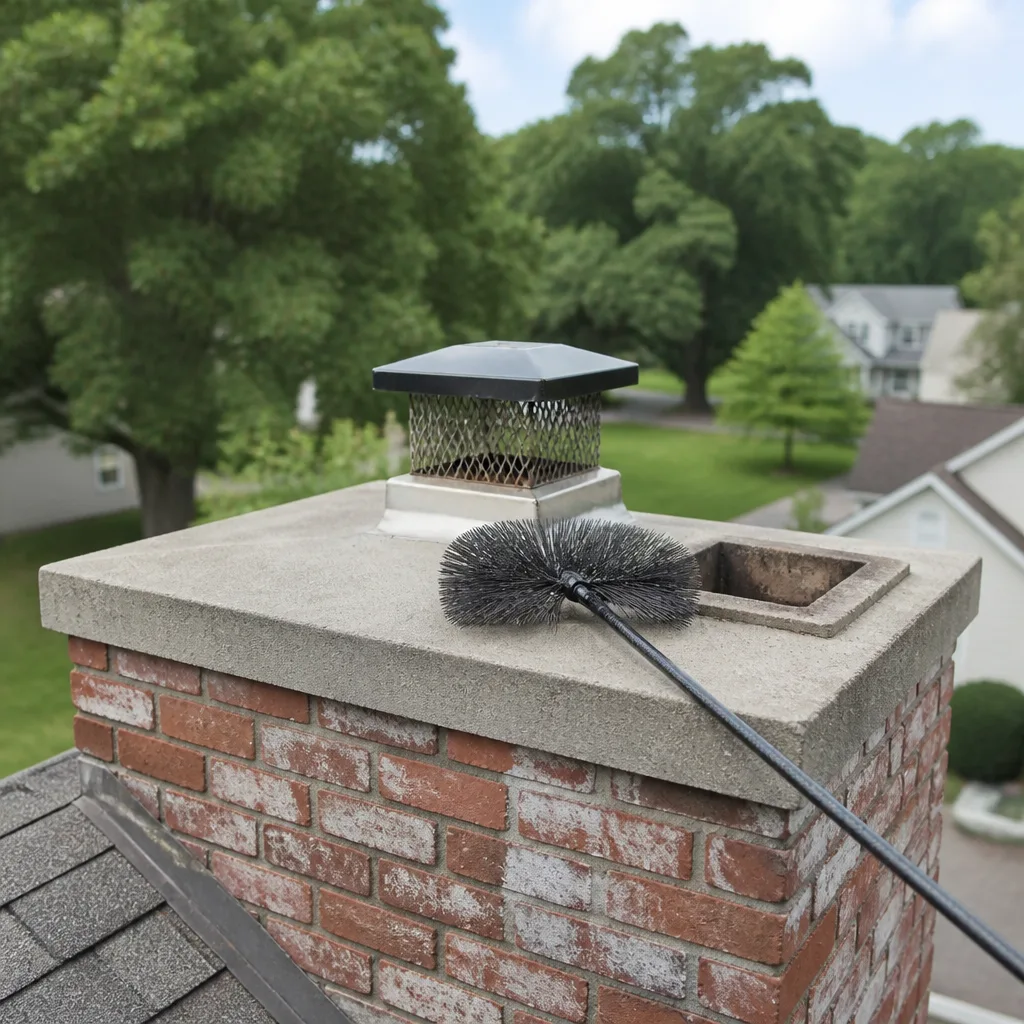 Sweep & inspection
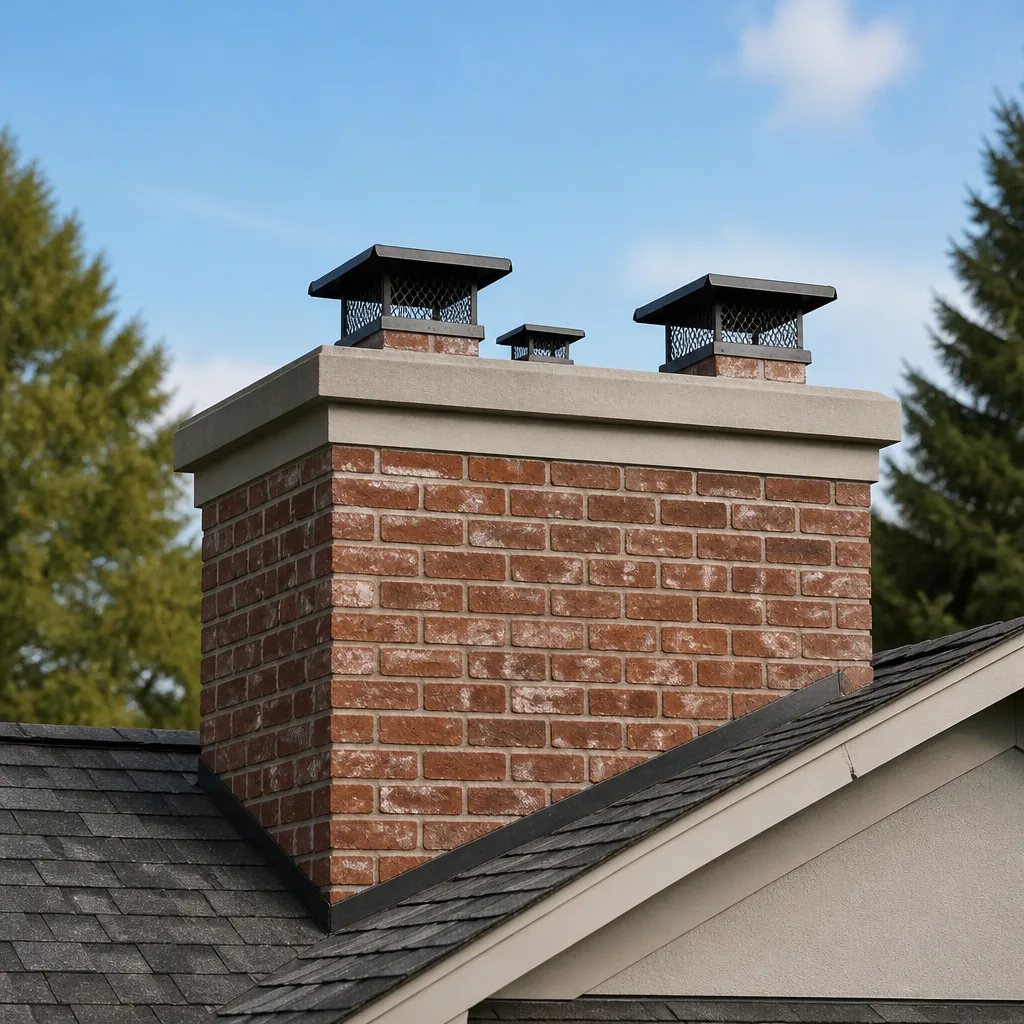 Caps & crowns
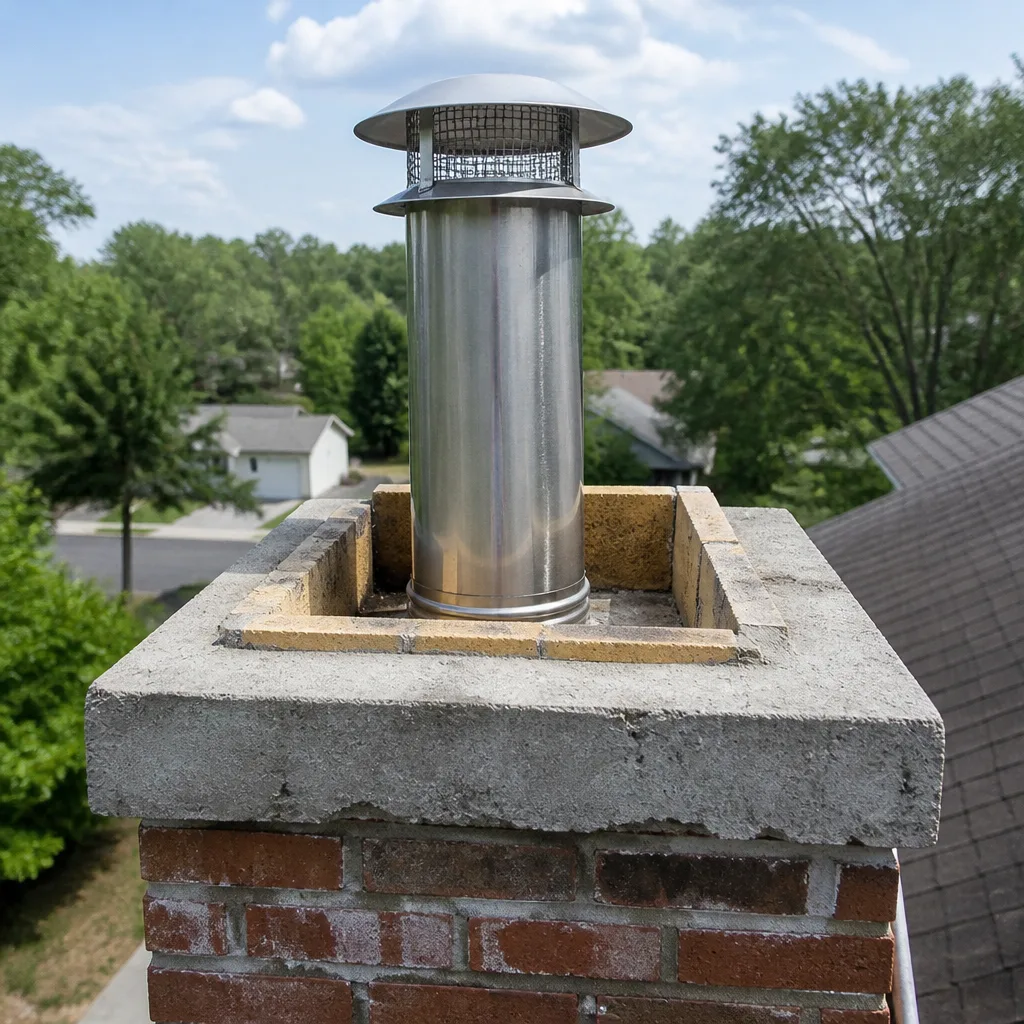 Flue relining
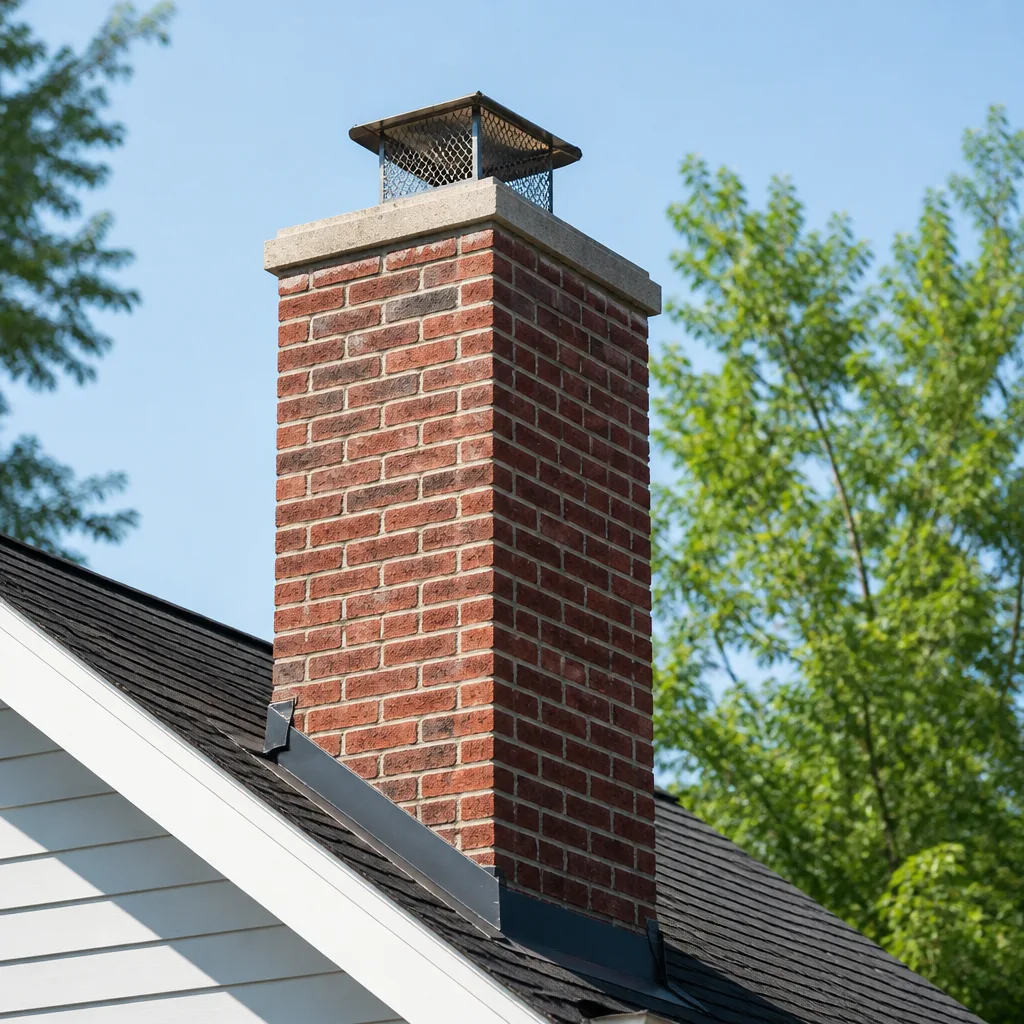 Masonry repair
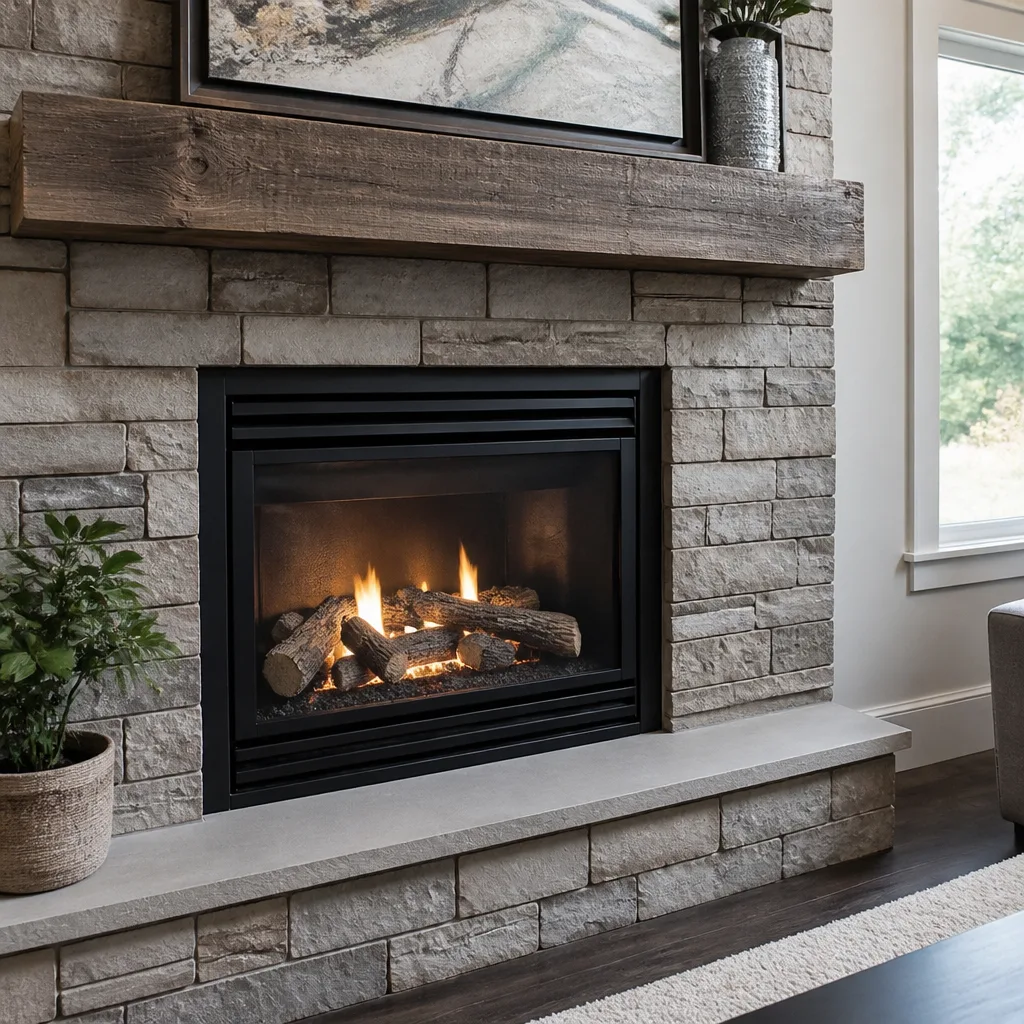 Gas fireplace service
Level 1 sweep and inspection to the NFPA 211 annual standard - flue, crown, cap, and flashing checked and photographed
Chimney sweep logs do not sweep chimneys. They loosen some creosote - which then falls where a brush and vacuum still have to collect it.
The Complete Guide to Chimney Cleaning in Lehigh Acres
A chimney that sees ten fires a year in Southwest Florida can fail an inspection faster than one burning nightly in Vermont. That sounds backward, so it’s worth sitting with for a moment. Creosote gets all the attention in most chimney guides, and creosote matters. But in a mild, humid climate like ours, the biggest threats to a flue come from what happens between fires: moisture soaking into masonry, animals turning the flue into a nest, and insects settling into places nobody looks. This guide walks through what a real cleaning involves here, how inspections are graded, and how to read the report you get afterward. Leave it knowing exactly what you’re paying for before anyone shows up at your door.
Quick Answer
Chimney cleaning in Lehigh Acres means more than brushing out soot. A proper service includes a CSIA-graded inspection, removal of creosote along with the nests, leaves, and insect debris that build up in a lightly used flue, and a written report of what was found. How often you need it depends on use and on what’s living in your chimney, not only on how many cords of wood you’ve burned.
Styles & brands we work with
- Sweep & inspection
- Caps & crowns
- Flue relining
- Masonry repair
- Gas fireplace service
Table of Contents
- Why Low-Use Chimneys in Florida Can Fail Faster Than High-Use Ones Up North
- What Level 1, Level 2, and Level 3 Inspections Actually Involve
- The Debris and Wildlife Problems We See Most in Lee County
- Rotary Cleaning vs. Brush and Rod: Why the Difference Matters
- What a Professional Cleaning Looks Like, Step by Step
- How to Read a Post-Cleaning Report
- What Repair Recommendations Like HeatShield Resurfacing Actually Mean
- How Often Should a Chimney in Lehigh Acres Be Cleaned?
Why Low-Use Chimneys in Florida Can Fail Faster Than High-Use Ones Up North
A chimney guide written for a cold climate assumes one thing above all: the fireplace runs constantly, which keeps the flue hot and dry and burns off a lot of the moisture that gets in. In Lehigh Acres, that assumption doesn’t hold. Most fireplaces get used a handful of times a year, and between those fires the flue sits idle in humid air for months at a time.
Idle doesn’t mean safe. Here’s what a low-use chimney is doing while it waits:
- Absorbing moisture. Masonry is porous. Warm, humid air plus the occasional summer storm means a brick chimney stack is taking on water and slowly drying out. Over years, that weakens mortar joints and interior surfaces.
- Collecting debris. Anything loose on the roof, plus leaves and seed pods, finds its way into an open flue. A cap that isn’t fitted properly turns the chimney into a chute.
- Inviting animals. An unused flue is prime real estate. Birds and squirrels move in fast, and once a nest is packed in, the flue is partly blocked whether you noticed or not.
- Building a light but stubborn creosote layer. Even a few fires a year leave deposits. What doesn’t happen in a mild climate is the steady hot burn that dries the flue out between uses.
The takeaway: use is not the only clock. Time in the environment does its own work, which is why we recommend an inspection based on what we find, not only on how many fires you’ve had. Homeowners in Lehigh Acres who treat their rarely used fireplace as maintenance-free are often the ones surprised at inspection time.
What Level 1, Level 2, and Level 3 Inspections Actually Involve
Not every chimney inspection is the same, and knowing the difference keeps you from paying for the wrong one. The Chimney Safety Institute of America (CSIA) defines three levels, and a real technician will tell you which one you need and why.
- Level 1: the routine check. A visual examination of the readily accessible parts of the chimney and venting system, done with the fireplace in normal use and no known problem. This is the standard inspection that comes with an annual cleaning. No camera, no disassembly.
- Level 2: the camera inspection. Everything in Level 1 plus a video scan of the flue’s interior. Level 2 is called for after a chimney fire, a sweeping change in how the system is used, a property sale, or an earthquake or severe weather event. It’s also what you want when a problem is suspected but not visible from the top or bottom.
- Level 3: the investigative inspection. The most thorough level, and the one that may require removing parts of the chimney or its surround to get direct access to a suspected defect. Level 3 is reserved for situations where a serious problem is suspected and Level 2 couldn’t resolve it.
Most Lehigh Acres homes start with a Level 1, because that’s what an annual sweep delivers. If the technician sees something that warrants a camera, they’ll say so. That’s the point of the graded system: you only pay for the deeper look when the evidence calls for it. Ask your technician which level they’re performing before they start.
The Debris and Wildlife Problems We See Most in Lee County
The most common blockage we pull out of a Lee County chimney is not creosote. It’s a nest. Chimneys here are attractive to wildlife for the same reason they’re attractive to you: they’re warm, sheltered, and rarely disturbed. Over the years, technicians in the field here learn to look for a specific set of intruders.
- Birds. Chimney swifts, starlings, and sparrows all take up residence in an uncapped flue. Nest material is dry and flammable, and it can block a good portion of the flue opening.
- Squirrels. Squirrels are determined climbers and will find a gap in a cap or a deteriorated crown and get inside. Their nesting isn’t just a nuisance; it narrows the flue and can trap a fire’s smoke indoors.
- Palmetto bugs. The large cockroaches common throughout Florida are drawn to the warm, dark, damp interior of a chimney and can be found near a gas fireplace’s pilot assembly. Their presence near a gas pilot is a sign the firebox and flue haven’t been serviced in a while.
- Spider webs. Webs build up quickly in an idle firebox and, near the pilot, can interfere with airflow and ignition in a gas system.
- Leaves and seed pods. Even with a cap, wind-driven debris finds its way in, and it accumulates faster than most people expect.
A properly fitting cap stops most of this. Gelco and Famco make venting and cap products that are held to a known specification, which is why we use them. A cap isn’t a decorative accessory; it’s the single most effective way to keep a low-use chimney from becoming an animal hotel.
Rotary Cleaning vs. Brush and Rod: Why the Difference Matters
Any chimney can be swept with a stiff brush on a rod. That basic method works for light, powdery soot. Where it struggles is with glazed creosote, the hard, shiny, tar-like deposit that forms when a fire is run without enough air. Glazed creosote is stubborn, and a brush-and-rod sweep tends to polish the surface rather than remove it. That polish is bad news, because a shiny deposit sets up harder on the next burn.
Rotary cleaning systems change the equation. A rotary head turns under power while a cable feeds it down the flue, so the action is more like scouring than scrubbing. Here’s why that matters:
- It reaches the whole flue width. The spinning head makes contact across the full circumference, not only the areas a brush presses against.
- It cuts glazed deposits. With the right head fitted, rotary cleaning stands a far better chance of removing the hard, third-degree creosote that a brush leaves behind.
- It’s controlled. The technician can feel and adjust the head’s work as it moves, which protects the liner from unnecessary abrasion.
When we specify professional-grade cleaning heads, it’s to match the method to the deposit. A lightly used flue with powdery soot doesn’t need rotary cleaning; a flue with hard glazed creosote does. Knowing the difference is part of the job. For most homes in Lehigh Acres, the answer falls somewhere in between, and the technician tells you which they’re using and why. Our chimney sweep is built around that judgment call.
What a Professional Cleaning Looks Like, Step by Step
The only way to know what you’re paying for is to picture the visit from start to finish. Here’s how a legitimate cleaning proceeds. If the process you’re offered skips any of these steps, ask why.
- Pre-clean inspection. Before any tool goes up the flue, the technician inspects the firebox, damper, smoke shelf, and chimney exterior, and notes anything that needs attention. This is the step where a camera inspection is recommended if one is warranted.
- Setup and containment. A drop cloth goes down, the firebox is taped or sealed off, and a vacuum is run for the duration so dust doesn’t migrate into the room. Good containment is the difference between a clean room and a plume of soot.
- Cleaning the flue. The technician selects the correct brush or rotary head for the deposit type and works the flue from bottom to top (or top to bottom, depending on the setup), checking progress as they go.
- Cleaning the firebox and smoke shelf. Soot collects in the firebox and on the smoke shelf where it isn’t always visible. This step clears it.
- Damper and firebox check. The damper is tested for full operation, and the firebox is checked for cracks or deteriorated refractory.
- Debris removal and cleanup. Everything swept out is bagged and removed, and the work area is vacuumed clean.
- Post-cleaning report. The technician walks you through what was found, what was cleaned, and any recommended repairs, in plain language, before leaving.
Our technicians have up to 8 years of experience, and they’ll explain each step as they go. For a broader picture of how the whole service fits together in this part of Florida, see our guide to Lehigh Acres.
How to Read a Post-Cleaning Report
The report is the most useful thing you get out of a cleaning, and it’s also the most misunderstood. A good report isn’t a sales sheet. It’s a factual record of what the technician found. Here’s what to look for.
- Inspection level performed. It should state whether a Level 1, 2, or 3 was done, and if the technician recommends a higher level, why.
- Degree of creosote. Creosote is graded from one to three based on thickness and hardness. This grade drives the cleaning method and tells you where your burning habits stand.
- Flue condition. An honest report notes cracks, gaps, deteriorated mortar, or a flue that’s out of shape, even when that’s unwelcome news.
- Visible damage. A crown that’s cracked, a cap that’s loose or missing, or a firebox that needs attention.
- Evidence. Here’s the important one. Any repair recommendation should be backed by something you can see or be shown, whether that’s a photo from a camera inspection or a view the technician walks you through. If a recommendation comes with no evidence, ask for evidence before agreeing to anything.
One of the most common concerns we hear is being told you need thousands of dollars of liner or masonry work with no way to verify it. We take the opposite approach: nothing is recommended without evidence you can see for yourself, and we’ll tell you plainly when a repair can safely wait. That’s what makes a report useful instead of frightening.
What Repair Recommendations Like HeatShield Resurfacing Actually Mean
When a report recommends a rebuild or a full liner replacement, it’s worth understanding the alternative first. Many compromised flue liners can be repaired rather than torn out, and that’s where systems like HeatShield come in.
HeatShield is a chimney resurfacing system, not a patch. It’s applied to the interior of a masonry flue to restore a smooth, protected surface where the original clay tile has cracked or deteriorated. It’s a repair-grade solution, meaning it addresses the structural issue rather than hiding it. Whether it’s the right answer depends on the state of your flue, but the key point for a homeowner is this: liner problems aren’t automatically a rip-out job.
Beyond the liner, the parts matter too. A cap or venting component that comes from a manufacturer like Famco or Copperfield is a known specification. That’s not brand-snobbery; it’s knowing that the part was designed to do this job. We work with professional-trade brands including DuraFlex, HeatShield, Gelco, Olympia Chimney, Famco, and Copperfield because the materials are specified for chimney systems, not adapted from something else.
One safety point worth stating plainly: the flue liner, firebox, and venting system are parts you should not be dismantling or repairing yourself. A compromised liner lets smoke and carbon monoxide into the home in ways you can’t detect by sight or smell. That work belongs with a trained technician.
How Often Should a Chimney in Lehigh Acres Be Cleaned?
There’s no single number that fits every home here, but there’s a clear way to think about it. The CSIA and the National Fire Protection Association (NFPA) both recommend an annual inspection, and a cleaning whenever the inspection finds enough deposit or obstruction to warrant one. In a mild climate, that “whenever” can come before you’d expect it by fire count alone.
- Burning regularly: inspect annually, sweep once creosote builds to about 1/8 inch, or at least once a year.
- Burning rarely: inspect annually anyway. Debris, moisture, and animal intrusion don’t wait for you to light a fire.
- Gas fireplaces: the firebox, pilot area, and venting still need inspection and cleaning. Spiders and dust near the pilot are a common issue in our humidity.
- After any chimney fire: a Level 2 inspection is called for regardless of when the last cleaning was.
- Before selling or buying a home: a Level 2 inspection gives the buyer and the insurer a current picture of the system.
If you’ve moved into a Lehigh Acres home with an unfamiliar chimney, the first job is an inspection, not a guess. Many insurers ask for proof of a recent inspection, and you’ll want that record yourself. The purpose of a proper sweep is to produce exactly that: a clean flue and a written record of what was found. If it’s been a while, call (855) 473-9633 for a free estimate.
Common Mistakes to Avoid
- Assuming a rarely used chimney is a clean one. In our climate, an idle flue collects nesting, leaves, and moisture damage between fires. Treat “we hardly use it” as a reason to inspect, not a reason to skip.
- Skipping the cap. An uncapped flue invites birds and squirrels and lets wind-driven debris in. A properly fitted cap from a known manufacturer is one of the cheapest safety measures a chimney owner can add.
- Believing a brush sweep gets everything. Hard, glazed creosote survives a basic brush. If your flue needs rotary cleaning, a brush-only sweep can leave dangerous deposit behind.
- Buying repairs on the spot without evidence. A recommendation for liner or masonry work should come with a photo or a viewable defect. If you can’t see the problem, ask to see it before agreeing.
- Ignoring the dryer vent. The NFPA links dryer vent lint and blockages to thousands of residential fires every year. The vent is part of your home’s venting system and needs cleaning too.
- Lighting a fire before checking the damper and flue. A blocked or partially blocked flue during a Lehigh Acres cold snap is a carbon monoxide risk, not just a smoky room.
- Using a generalist for chimney work. A sweep-and-go outfit that added chimneys as an upsell won’t have the repair-grade materials or the inspection training to tell you what a structural problem actually is.
See the difference
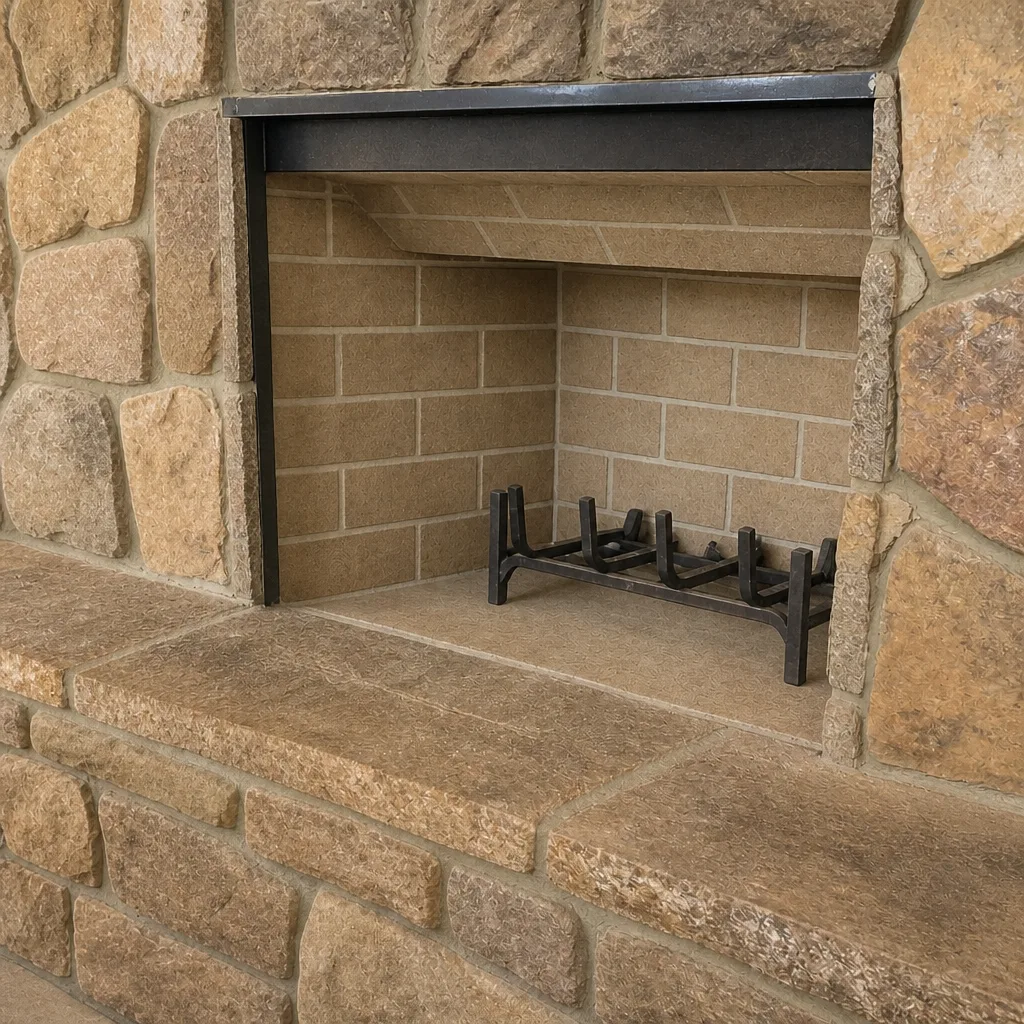
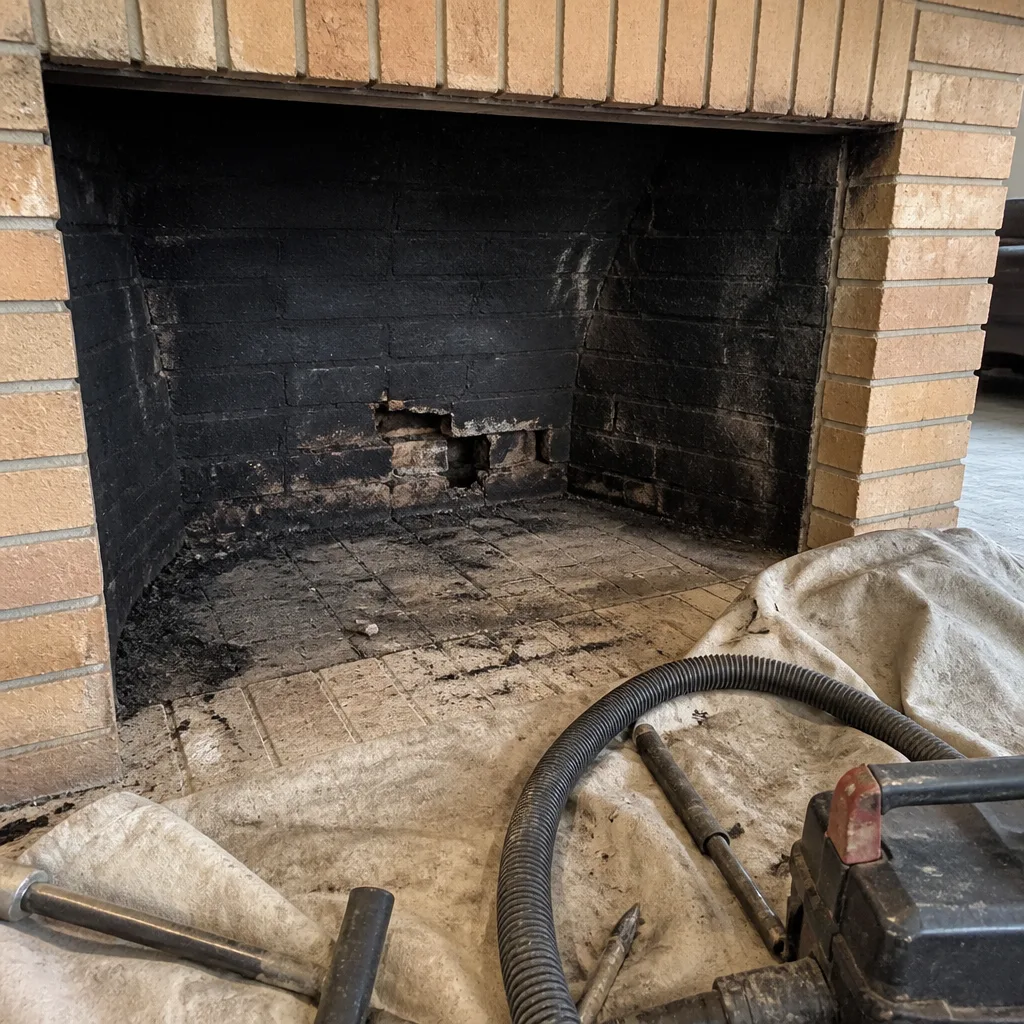 Before
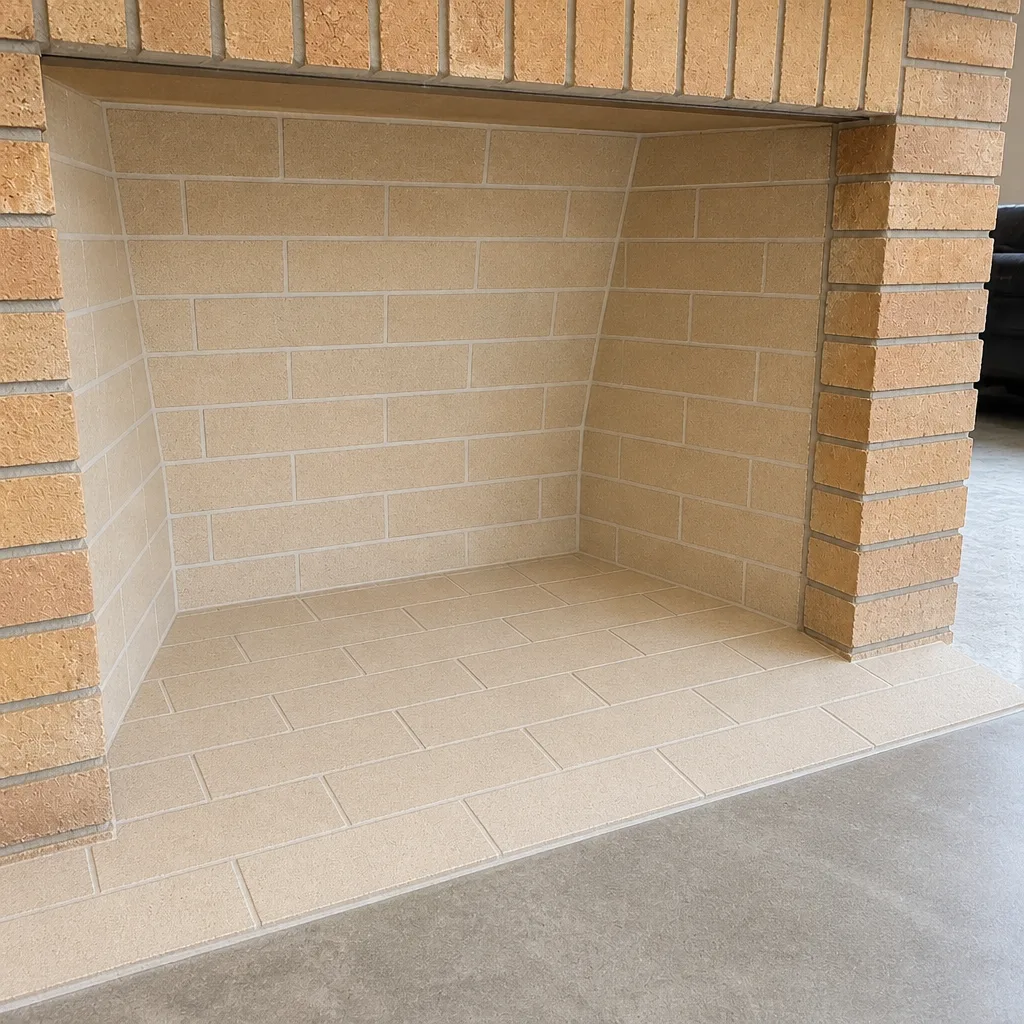 After
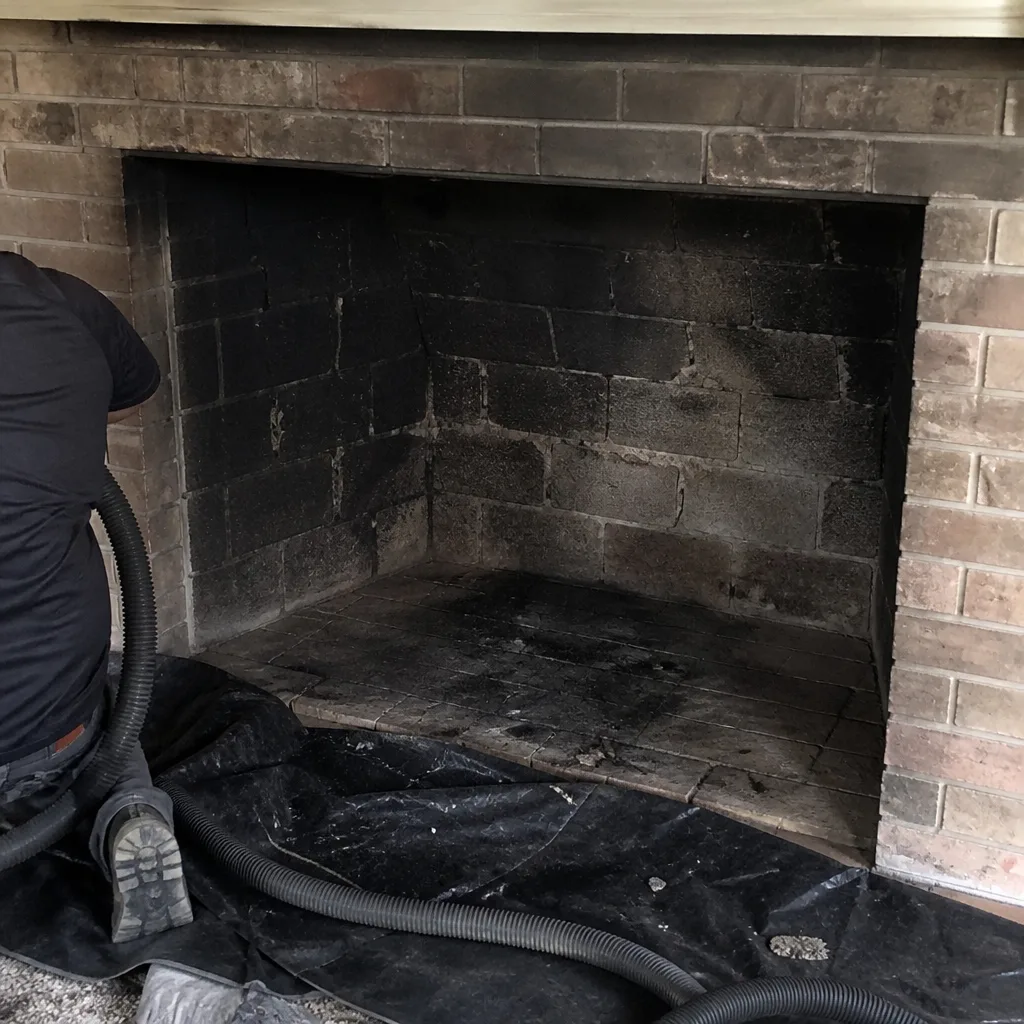
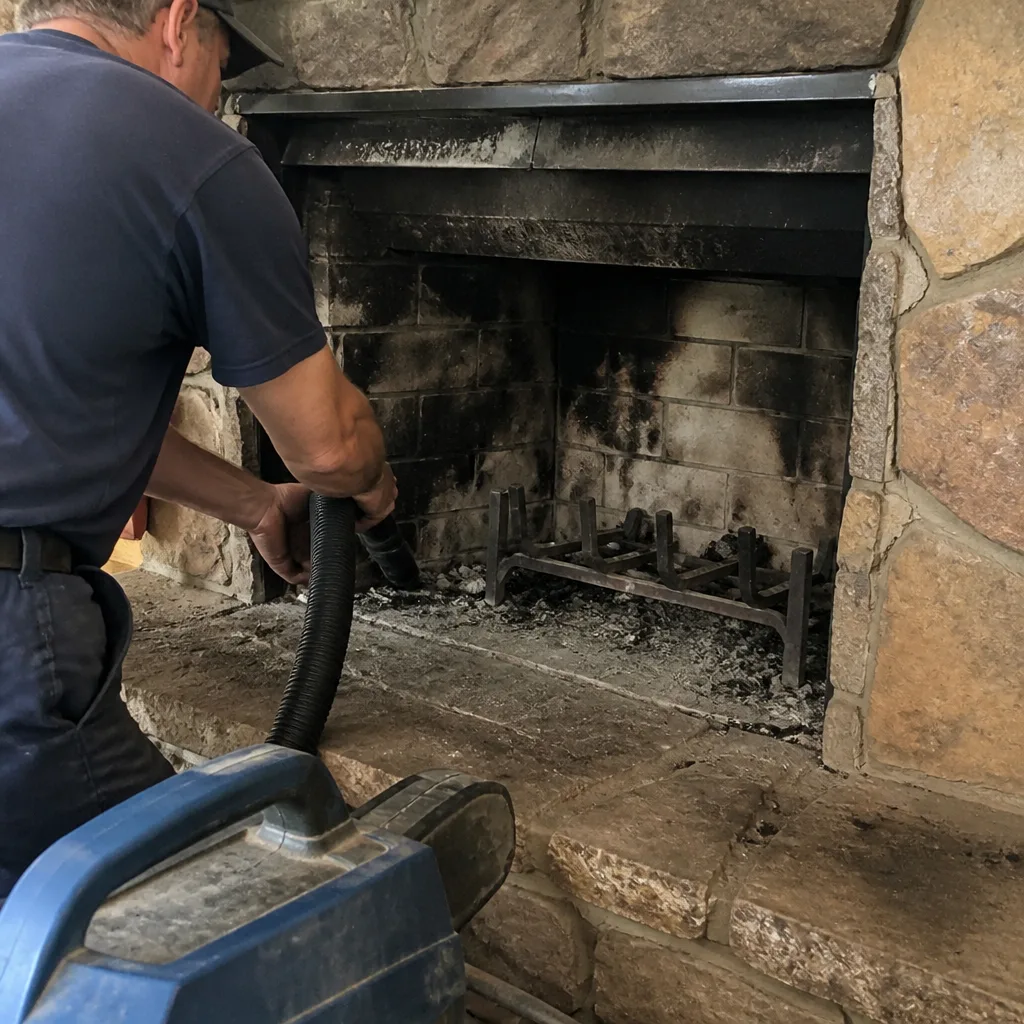 Before
 After
 Before
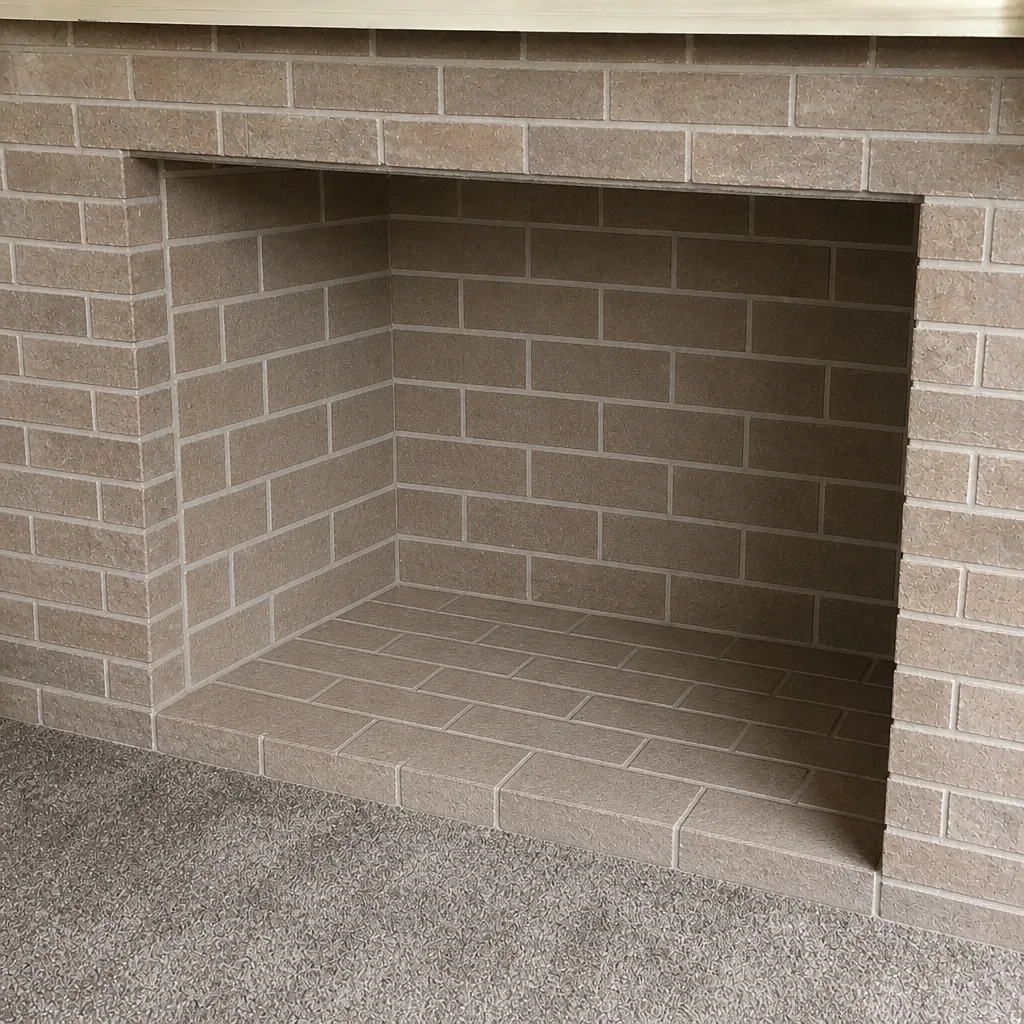 After
When to Call a Professional
Some things are worth a call even before your next scheduled inspection. If you smell a strong, smoky odor from the fireplace when it isn’t in use, that’s a sign of buildup or draft trouble. If birds or squirrels are getting in, or you hear scratching from the flue, call before trying to deal with it yourself. If your carbon monoxide detector has gone off, get everyone outside and call for help before anything else. If a recent report flagged a cracked liner, a loose cap, or a damaged crown, a professional needs to look at it. And if your insurer has asked for documentation of a recent inspection, that’s a call too. Chimney Sweep Lehigh Acres offers free estimates in Lehigh Acres. Call (855) 473-9633. We answer 24/7. Fast dispatch from 7am to 7pm, Sunday through Friday.
Frequently Asked Questions
The price is set per job by a written estimate, and the estimate itself is free. What drives the number is the condition of the flue, the level of inspection needed, and how much deposit or debris has to come out. You’ll get the written estimate before any work begins, and the estimate is the final price. Call (855) 473-9633 for an exact quote, and remember the estimate is free.
Not always. Plenty of liners can be repaired with a resurfacing system like HeatShield rather than replaced outright, and some problems can safely wait. The honest answer is that it depends on what the inspection shows, which is why we don’t recommend liner work without camera evidence you can see. Call (855) 473-9633 for an estimate and we’ll walk you through what the flue actually needs.
Inspect annually and sweep when the inspection finds enough creosote or obstruction to warrant it, which for regular burners is usually once a year. In our climate, the debris and moisture clock can run faster than the fire count suggests, so a rarely used chimney still deserves the yearly look. Call (855) 473-9633 to get on the schedule with a free estimate.
Skipping a cleaning lets creosote, nesting, and debris accumulate until the flue is restricted, which raises the risk of a chimney fire and of carbon monoxide backing into the home. In humid Southwest Florida, an unserviced flue also takes on moisture damage that’s expensive to undo. That’s why a report and a clean flue are worth having. Call (855) 473-9633 for an estimate; it’s free.
Yes. Our dryer vent cleaning covers a hazard the NFPA links to thousands of residential fires a year, and most chimney-only companies leave it out. Keeping both the chimney and the dryer vent in one service call means your home’s two most overlooked fire risks get handled together. Call (855) 473-9633 for a free estimate.
Often, yes. Chimney Sweep Lehigh Acres handles cleaning, structural repair, and dryer vent work, so a cap replacement, a liner resurfacing, or a crown repair found during a sweep doesn’t always mean scheduling a second company. When a repair can safely wait, we’ll tell you that too. Call (855) 473-9633 to book a free estimate.
The Bottom Line
Chimney cleaning in Lehigh Acres is not the once-a-year brush-out that cold-climate guides describe. It’s an inspection-driven service built around what a humid climate and an idle flue actually do: the moisture, the nests, the glazed creosote, the small repair that becomes a big one. Use this guide as a checklist. Ask which inspection level you’re getting. Look for evidence behind any repair recommendation. Keep a cap on. And don’t ignore the dryer vent. The goal is a clean flue, a written record, and no surprises. When you’re ready, our team is one call away at (855) 473-9633.
For homeowners who want to see how everything fits together, start with our Chimney Sweep Lehigh Acres service.
Written by the team at Chimney Sweep Lehigh Acres.