
Last updated November 15, 2026
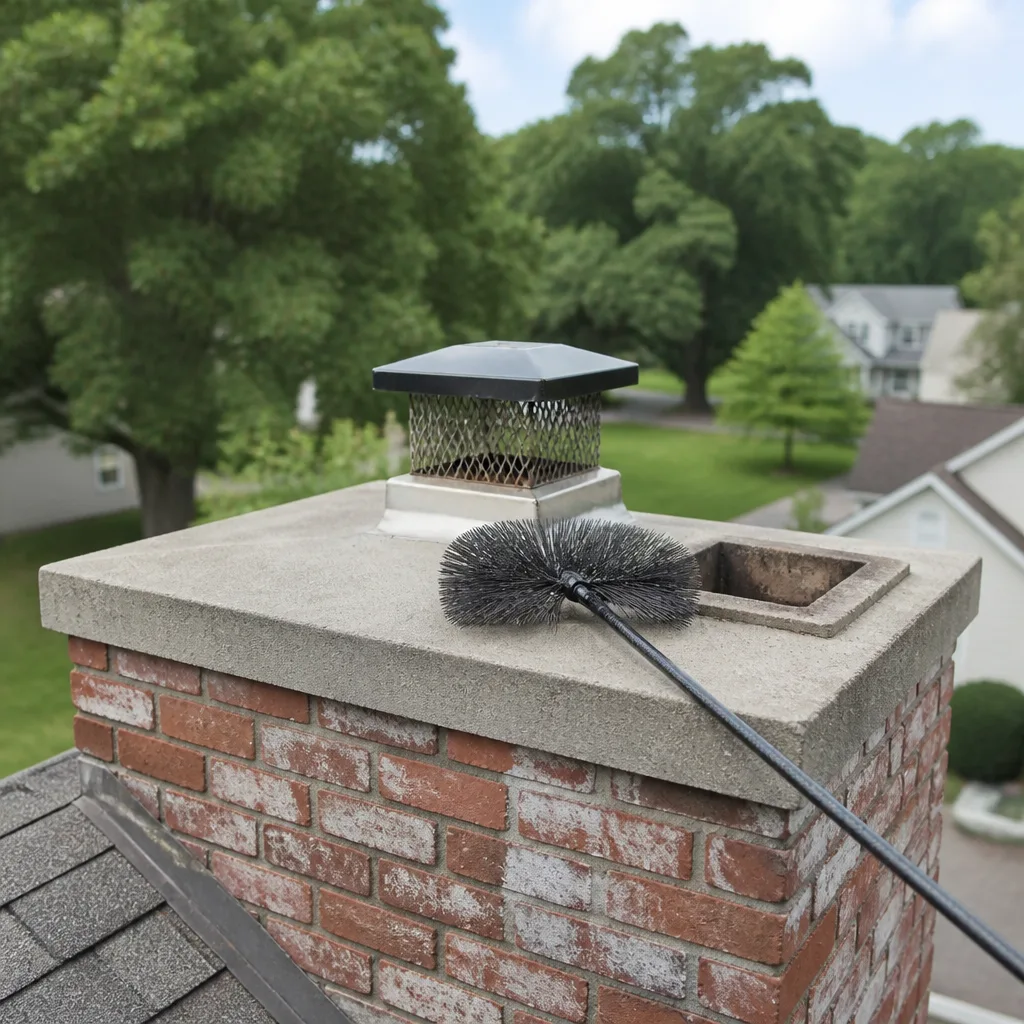 Sweep & inspection
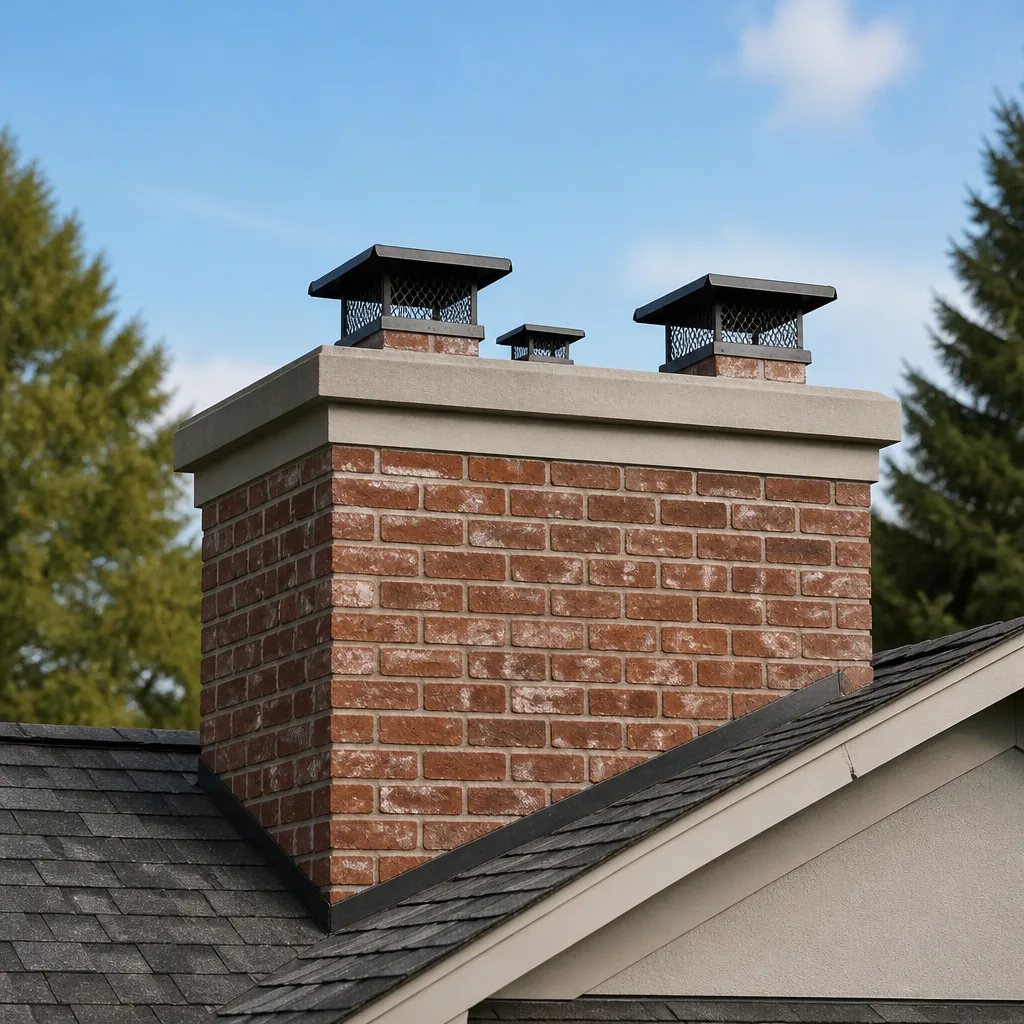 Caps & crowns
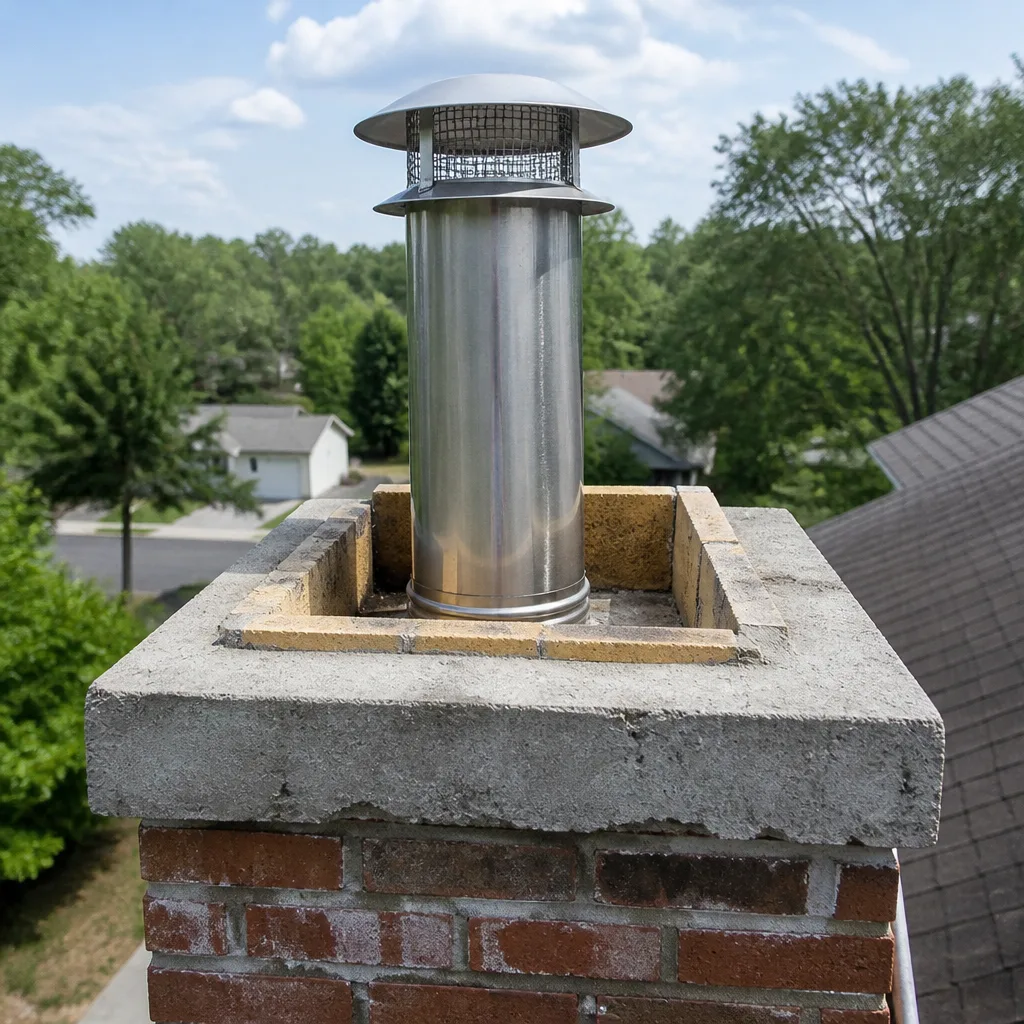 Flue relining
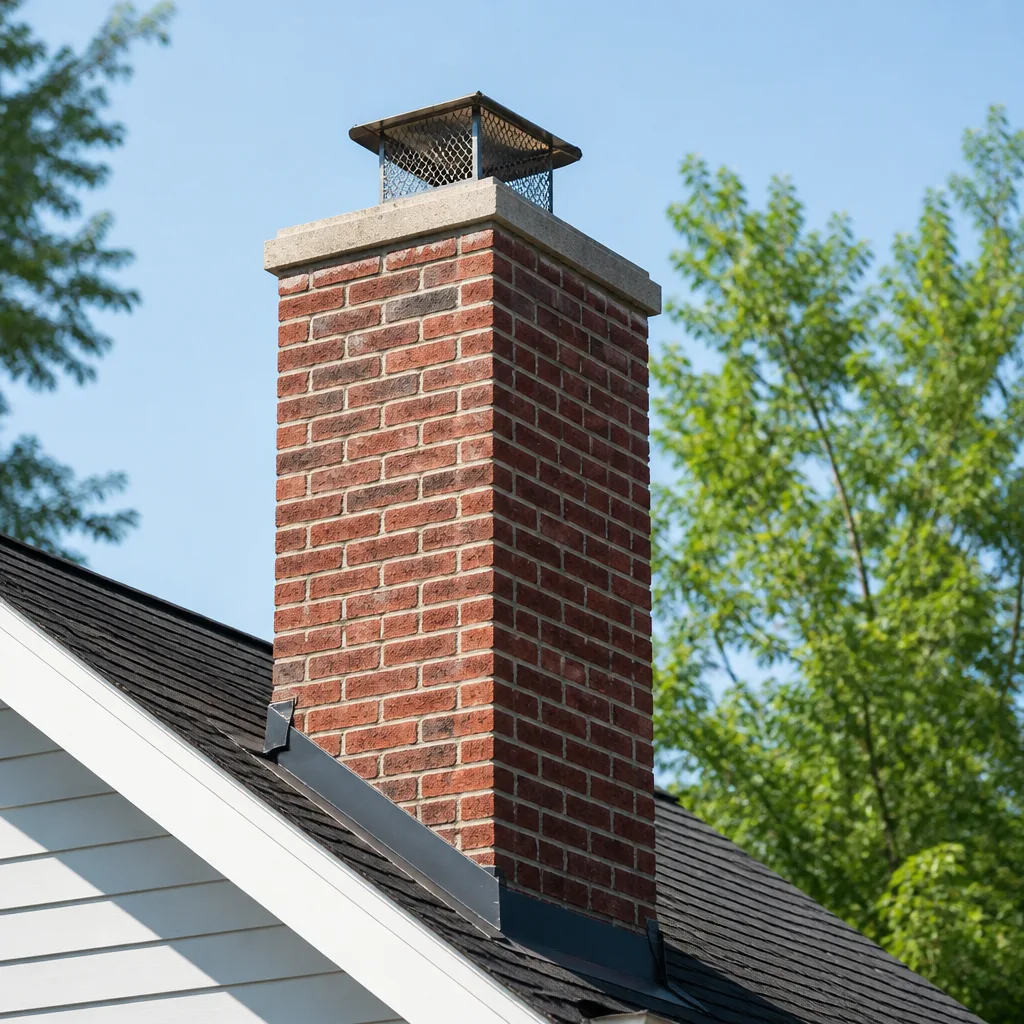 Masonry repair
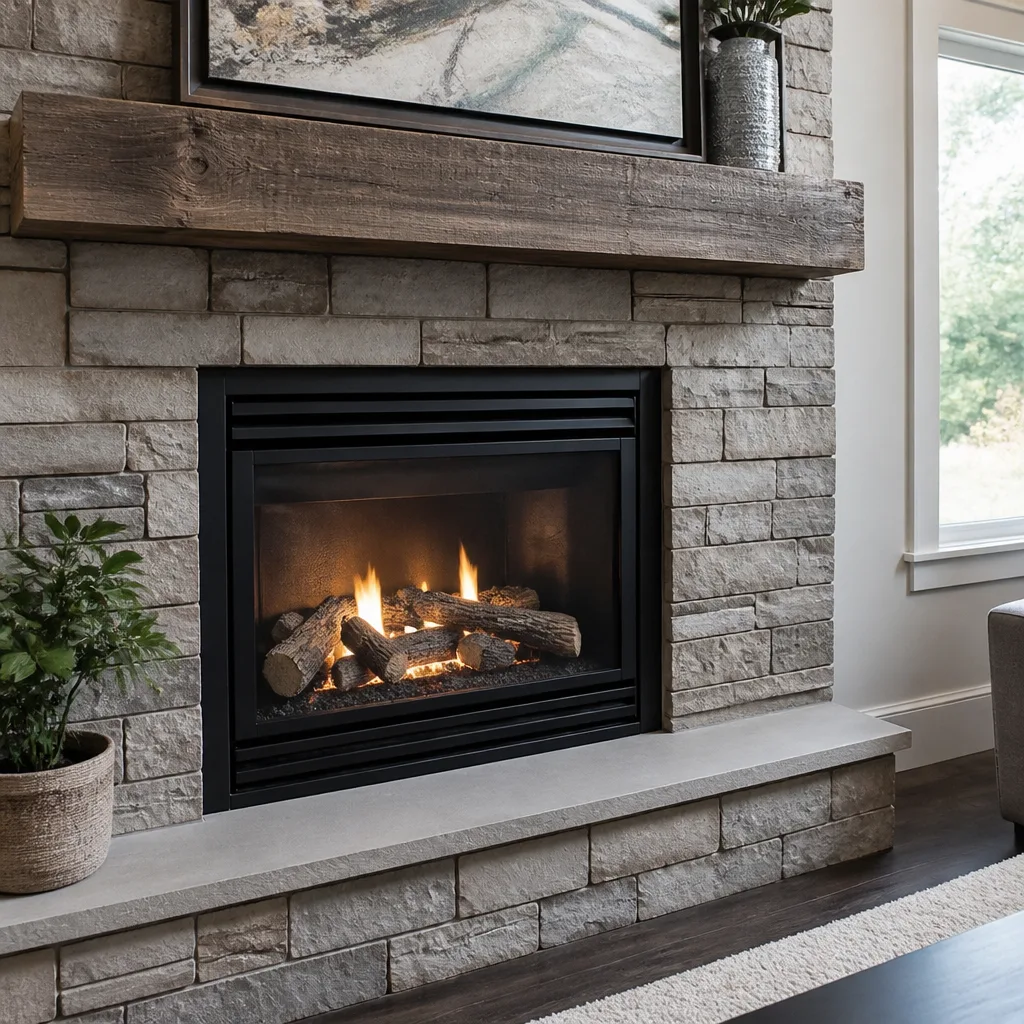 Gas fireplace service
Level 1 sweep and inspection to the NFPA 211 annual standard - flue, crown, cap, and flashing checked and photographed
Chimney sweep logs do not sweep chimneys. They loosen some creosote - which then falls where a brush and vacuum still have to collect it.
Chimney Sweep Troubleshooting in Lehigh Acres: Common Problems and How to Fix Them
A chimney that hasn’t been used in eight months can be more dangerous on its first fire than one burning wood every week. That sounds backward, but in a humid climate it holds up. Long dormancy gives moisture, wildlife, and corrosion months of quiet time to work on a system you’re not thinking about. The failure patterns we find in Lehigh Acres look nothing like the northern sweep guides that dominate the internet, and troubleshooting them with that advice leads people to the wrong fix. This guide walks through what actually happens to chimneys here, how to tell one problem from another, and when a repair is worth doing versus when it can wait.
Quick Answer
Most chimney problems in Lehigh Acres trace to humidity, wildlife, and long dormancy rather than heavy fire use. The common failures are rusted or seized dampers, cracked flue liners from moisture exposure, bird and raccoon nests, and poor draft from a cap or sizing issue. Each one has a distinct symptom pattern, and fixing the wrong one wastes money and leaves the real hazard in place.
Styles & brands we work with
- Sweep & inspection
- Caps & crowns
- Flue relining
- Masonry repair
- Gas fireplace service
Table of Contents
- Why humidity, not creosote, is the primary chimney degrader in Lee County
- What corrosion looks like inside a flue liner
- How to tell chimney swift and raccoon nesting from a simple debris blockage
- Damper rust and seizure: corroded shut versus stiff from disuse
- Diagnosing a smoky firebox: draft, cap, or flue sizing
- HeatShield resurfacing versus DuraFlex liner replacement
- The dryer vent problem hiding beside your chimney
- What a real inspection covers and what it doesn’t
Why humidity, not creosote, is the primary chimney degrader in Lee County
In cold climates, a chimney’s main enemy is creosote: the sticky, flammable residue that builds up when wood burns cool and slow. In Lehigh Acres, creosote is still a real concern, but it’s rarely the thing that’s actually breaking the system. Humidity does more damage, and it does it year-round.
Warm, moist air moves through a dormant chimney constantly. It condenses on cool masonry and metal flue surfaces, and that moisture sits there. Masonry is porous. Clay tile liners absorb it. Metal components rust. Over a single off-season, this cycle repeats enough to open hairline cracks in tile and pit the surface of a damper. When a fire finally gets lit in December, the heat expands those cracks and pushes combustion gases into gaps that weren’t there the season before.
What makes this specific to Lehigh Acres is the length of the dormant stretch combined with the humidity. A chimney here might see a dozen fires a year, all packed into a few cool weeks. The other months are for moisture to work.
What this means for troubleshooting:
- A clean-looking flue is not a safe flue. Creosote-free liners still crack from moisture cycling.
- Rust stains at the damper or firebox are a moisture signal, not a cosmetic issue.
- Efflorescence, the white chalky powder on exterior brick, points to moisture moving through the masonry.
- Sweeping alone doesn’t fix this. It removes buildup, not structural damage. That’s why a real chimney sweep visit includes a camera inspection of the liner itself.
The fix depends on what the camera shows. A liner with surface spalling but no full-depth cracks can often be resurfaced. One with structural breaks needs replacement. We’ll get to which is which further down.
What corrosion looks like inside a flue liner
Corrosion inside a chimney doesn’t look like rust you’d see on a car. It has its own vocabulary, and homeowners who know the terms have a much harder time being talked into unnecessary work.
Here’s what we’re looking for with the camera, and what each pattern means:
- Hairline cracks in clay tile. Fine lines running vertically or in a spider pattern. These are the earliest moisture damage. A single tile can crack without the whole liner failing, but every crack is a path for gases into surrounding structure.
- Spalling. Flakes of the tile surface separating and dropping off. This is more advanced. The tile is losing its fire rating and its strength. HeatShield resurfacing is designed for exactly this stage.
- Displaced or shifted tiles. Tiles out of alignment at a joint. This usually means movement in the chimney structure, not just moisture. It’s a structural signal, and resurfacing alone won’t fix it.
- Rust on metal liners. Metal flue liners, common with gas appliances, pit and eventually perforate. Once a metal liner is flaking or pitted through, replacement with a DuraFlex liner is the standard path.
- Missing mortar joints between tiles. The joints are the weak point. Missing mortar is where gas escapes first.
The reason we name the exact material matters: HeatShield is a resurfacing system, not a patch. It rebuilds the liner surface from the inside. DuraFlex is a replacement liner, used when the existing one can’t be saved. Using the right product for the condition is the whole game. A generic “liner repair” that doesn’t specify what’s being installed is a red flag worth asking about.
How to tell chimney swift and raccoon nesting from a simple debris blockage
Wildlife in a chimney is common across Lehigh Acres, and the animal changes the entire fix. A squirrel that drops leaves in is a sweep job. A raccoon in the flue is a nest removal plus an inspection for damage plus a cap, in that order.
Here’s how to tell them apart from the symptoms:
- Chimney swifts. These small birds nest in uncapped flues and return to the same chimney year after year. You’ll hear a chittering from the chimney in the warmer months and see small dark droppings on the firebox floor. Their nests are twig-and-saliva structures glued to the flue wall, which is why they don’t just blow out when you sweep. Removal is careful work, and the birds are protected, so timing matters.
- Raccoons. Bigger signs: scratching and vocalizing at night, damage to the flue cap or crown, and a strong odor in the firebox. Raccoons can wedge into surprisingly narrow flues. They also leave parasites behind, so their removal requires more than a sweep.
- General debris. Leaves, twigs, and sometimes a bird that fell in and couldn’t get out. No vocalizing, no long-term odor. A standard sweep clears it.
- Cap or crown damage. A missing, loose, or bent cap is the common thread. Most wildlife calling a chimney home got in because the cap was damaged or never installed.
A proper cap from a manufacturer like Gelco or Famco closes the door permanently for the small birds and animals. This is one of those “fix it once” repairs. A homemade cover or a loose-fitting screen won’t stop raccoons and won’t survive a storm season. If you’re hearing sounds from the chimney and it’s warm out, that’s a call to make now, not in the winter.
Damper rust and seizure: corroded shut versus stiff from disuse
A damper that won’t move is one of the most-missed diagnoses in this climate. People assume it’s just stiff from sitting and force it. That’s how a damper that needed lubrication becomes a damper that needs replacement.
There are two failure modes, and they need different fixes.
Stiff from disuse: The damper still moves when you push harder, and you can feel it wanting to give. There’s no heavy rust visible, no flaking, and the handle moves through its arc. This is a mechanical lubrication and adjustment job, done during a sweep.
Corroded shut: The damper might look intact but doesn’t budge at all. Look for rust streaks coming down from the damper plate, flaking or pitting on the plate itself, and a handle that feels like it’s holding against more than friction. Corrosion has welded the metal together. Forcing it can break the linkage or crack the frame. This needs the damper rebuilt or replaced.
A top-mount damper has its own signals. It fails open or leaks closed at the top of the flue, which shows up as a chimney that never fully drafts and a firebox with cold air coming down it on a cool morning. If the top-mount damper has rusted in place, the fix is at the crown, not the firebox, and a technician needs to be on the roof to do it.
If you’re not sure which you have, don’t force it. A proper Chimney Sweep Lehigh Acres inspection will tell you whether the damper needs adjusting or replacing before anything breaks further, and the technician can show you the evidence.
Diagnosing a smoky firebox: draft, cap, or flue sizing
Smoke rolling into the room is the symptom, but there are three very different causes behind it. Getting the diagnosis wrong means spending money on a cap when the real problem is flue sizing, or vice versa.
Use the symptom pattern:
- Draft problem – smoke is fine on cold days, bad on warm or windy days. Draft depends on the temperature difference between the fire and outside air. In Lehigh Acres, when it’s 70°F outside and 60°F in the house, a cold-start fire can’t establish a strong upflow. The classic symptom is smoke spilling into the room for the first ten minutes, then settling. The fix is a warm-up burn or a longer flue, or a draft-improving cap. A draft problem usually shows up most on the year’s first fires.
- Cap problem – smoke and backdraft during storms, or a downdraft on gusty days. A damaged, missing, or wrong-sized cap sits at the very top and is the first thing to affect airflow. Watch for rust streaks down the outside of the flue tile from a failed cap, and for a firebox that smells of soot even when no fire is burning. A proper cap from a known manufacturer like Olympia Chimney or Famco fixes this.
- Flue sizing problem – smoke no matter the weather, always. The flue is too large or too small for the firebox. If the fire smokes even on cold days and even after a long warm-up, and a sweep confirms the flue is clean, sizing is the suspect. This is a structural fix. It isn’t cheap and it shouldn’t be rushed into, but the honest answer is that no cap or damper adjustment will fix a sizing issue.
A properly executed inspection will measure the flue, check the cap, and look at the firebox opening, and the visual smoke pattern will line up with one of these three. If a technician tells you it’s “the cap” without checking the other two, that’s worth pushing back on.
HeatShield resurfacing versus DuraFlex liner replacement
This is the fork in the road most homeowners reach after a bad inspection, and it’s the call that decides whether a repair is a few hundred dollars or a much larger job. Both are legitimate fixes. The wrong one is expensive in either direction.
HeatShield resurfacing is the right call when:
- The liner has spalling, surface damage, or open mortar joints but no displaced tiles and no structural cracks running through.
- The individual clay tiles are still in place and aligned.
- The damage is moisture-driven, uniform, and confined to the surface of the liner.
- There’s no full-depth break that would let gases into the surrounding structure.
HeatShield rebuilds the existing liner surface from inside the flue. It’s a professional chimney resurfacing system, and when the liner is a candidate, it uses what’s already there rather than replacing it.
DuraFlex liner replacement is the right call when:
- The liner is structurally broken: displaced tiles, cracks through the full thickness, missing joints.
- The existing metal liner is perforated from rust.
- The flue is an older unlined masonry chimney that needs a proper liner.
- An appliance has been upgraded and the flue needs to be sized correctly for it.
DuraFlex is a flexible stainless liner installed inside the existing flue, essentially giving the chimney a new, properly sized channel.
This is where generic advice fails hardest. A northern guide might tell you to just call a sweep. The right answer depends on a camera view of the liner, and the technician should be able to show you exactly what they’re looking at. We name the materials we install because the difference between a resurfaced liner and a replaced one has to be explained, not guessed at. If you’re unsure whether your chimney in Lehigh Acres needs one or the other, that’s the kind of call an inspection settles.
The dryer vent problem hiding beside your chimney
Most chimney companies don’t do dryer vents. That leaves a fire hazard untouched in a lot of Lehigh Acres homes, because the two systems share a set of failure modes that come from the same causes: humidity, long dormancy, and rodents.
Dryer vents clog with lint. That’s the version everyone knows. What’s less known is what the local climate adds. High humidity means lint stays damp longer, clumps, and builds up faster. Warm months with lots of rain mean the vent is more likely to hold moisture. And an unsecured exterior vent flap is an invitation for birds and rodents to nest in it, which is exactly the situation chimney caps prevent on a flue but nothing prevents on a vent flap unless you check.
Signs your dryer vent needs attention:
- Clothes take longer to dry than they used to.
- The dryer feels hot to the touch on the outside.
- You can smell something burning or musty when the dryer runs.
- There’s visible lint around the vent flap or against the screen.
- The exterior flap doesn’t open cleanly or is stuck.
Lint is a fuel. It accumulates in the vent duct and near the dryer’s exhaust opening, and the drying cycle keeps everything warm. The National Fire Protection Association links dryer vent problems to thousands of residential fires each year, so this is not a marginal concern. Dedicated dryer vent cleaning in Lehigh Acres clears the lint, checks the flap, and confirms the full run from dryer to outside is clear. It’s a different job from a sweep and should be done on its own schedule, not once a year in lieu of anything.
What a real inspection covers and what it doesn’t
Not every “inspection” is the same, and the gap between a checklist sweep and a real camera inspection is where expensive surprises come from. Here’s what a thorough inspection on a system in Lehigh Acres should cover:
- Camera inspection of the flue liner, top to bottom. This is the one that matters most. Without it, every other finding is a guess. The point is that you see the same images the technician does.
- Visual check of the flue cap and crown. Damage at the top causes the draft and wildlife problems covered above.
- Damper function test. Movement, not just presence.
- Firebox and smoke chamber inspection. Cracks here leak smoke and heat into the house.
- Sweep and removal of any buildup. Creosote and debris, done before the camera goes up.
- Photo report. Documented evidence, so you have a record for your own insurance and a way to verify what was found.
What it doesn’t cover: fireplace installation, full masonry rebuilds, or HVAC work. Those are different trades. Keeping scope honest is one reason the whole venting system – flue, firebox, dryer duct – is checked together, so nothing gets handed to a different vendor who won’t see the whole picture. If a technician tells you something needs fixing and can’t or won’t show you the camera evidence, that’s a stop sign. The evidence or nothing. If a chimney or a vent can safely wait another season, we’ll say so plainly.
Common Mistakes to Avoid
- Treating a sweep as a full inspection. A sweep clears the flue. It doesn’t check the liner for cracks, the damper for seizure, or the cap for damage. Scheduling a sweep and assuming you’re done is the most common way problems here go unaddressed.
- Forcing a stuck damper. Corrosion and stiffness look similar until something breaks. If it won’t move freely, stop and have it checked. A broken linkage costs more to fix than a seized one.
- Burning off-season without a pre-season check. In Lehigh Acres, months of dormancy is when the damage sets in. Checking before that first fire, not after, catches the moisture damage before the fire makes it worse.
- Recommending a cap without checking the firebox. A cap fixes some draft issues and none of the other causes. If the technician skips the diagnostic, the cap won’t fix what’s actually wrong.
- Repairing a liner without camera evidence. “It needs a new liner” without a camera view is unfalsifiable. If the evidence isn’t shown, get a second look.
- Skipping the dryer vent. It’s often treated as part of “the chimney” or forgotten entirely. It has its own clogging pattern and its own fire risk, and it needs its own cleaning schedule.
- Leaving wildlife in place until it’s discovered the hard way. A nesting animal left in the flue means damage to the cap and liner that wasn’t there before. If you hear sounds from the chimney, that’s the call to make now.
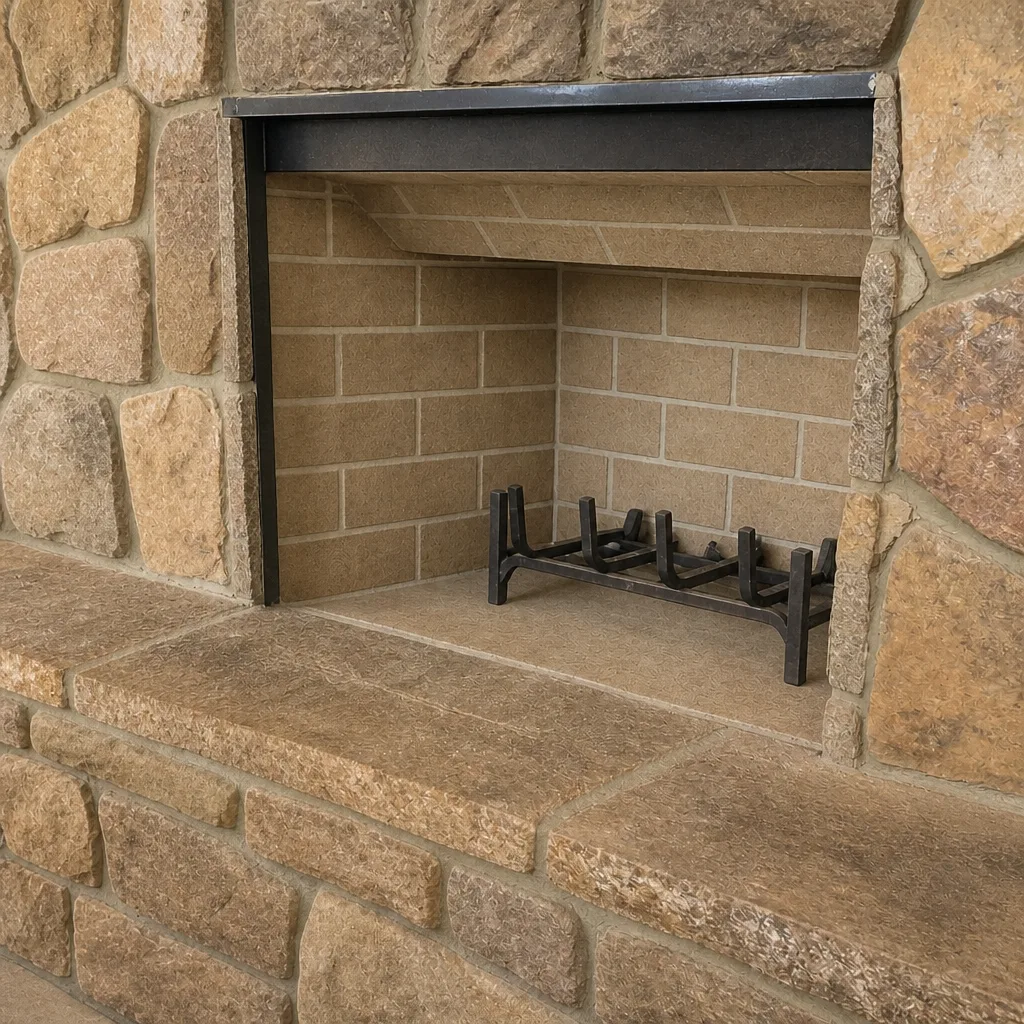
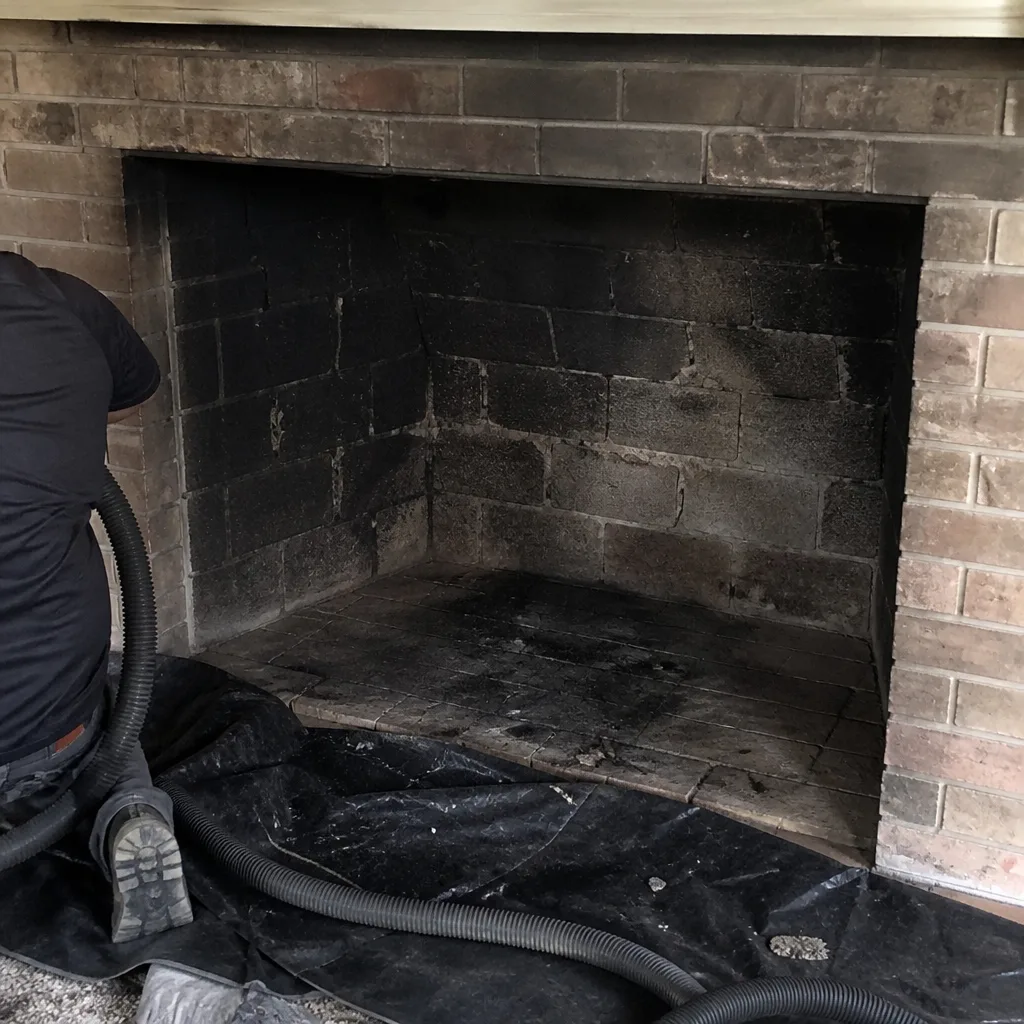
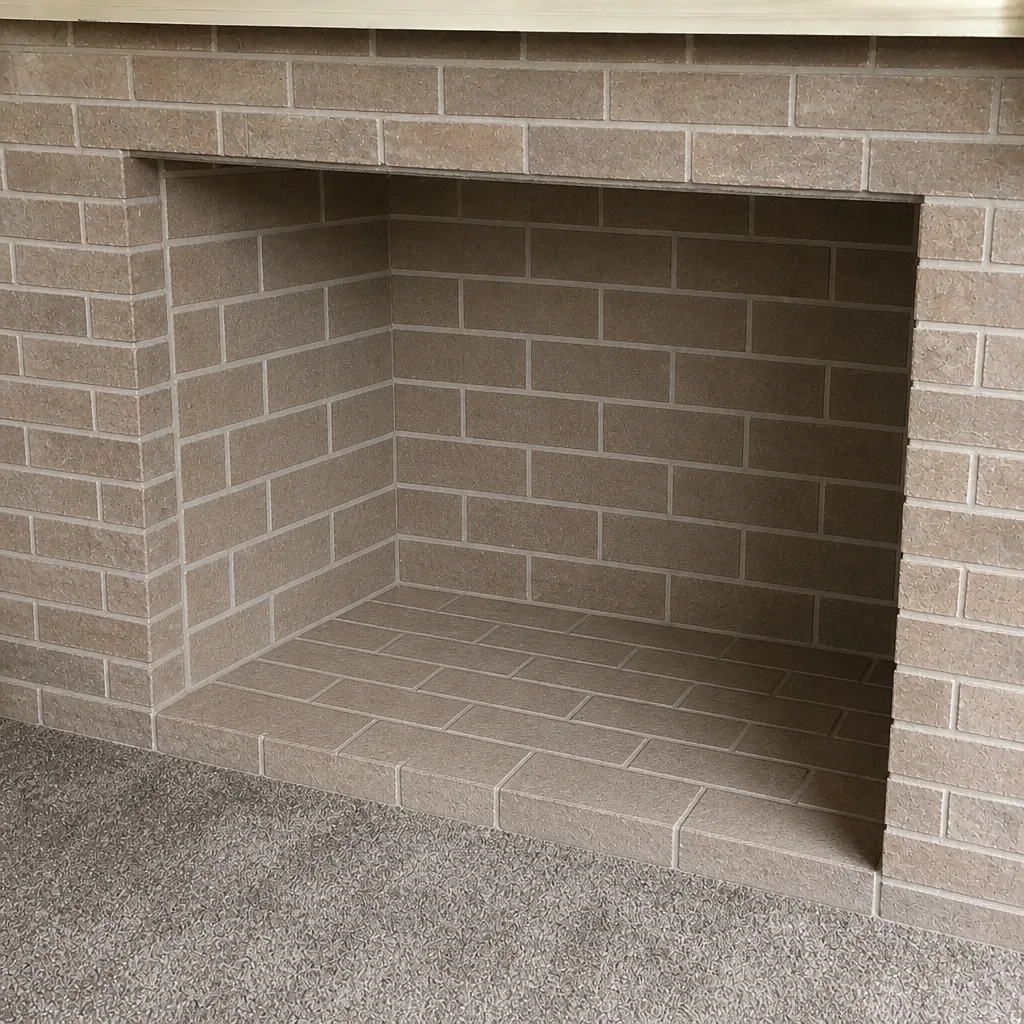
See the difference
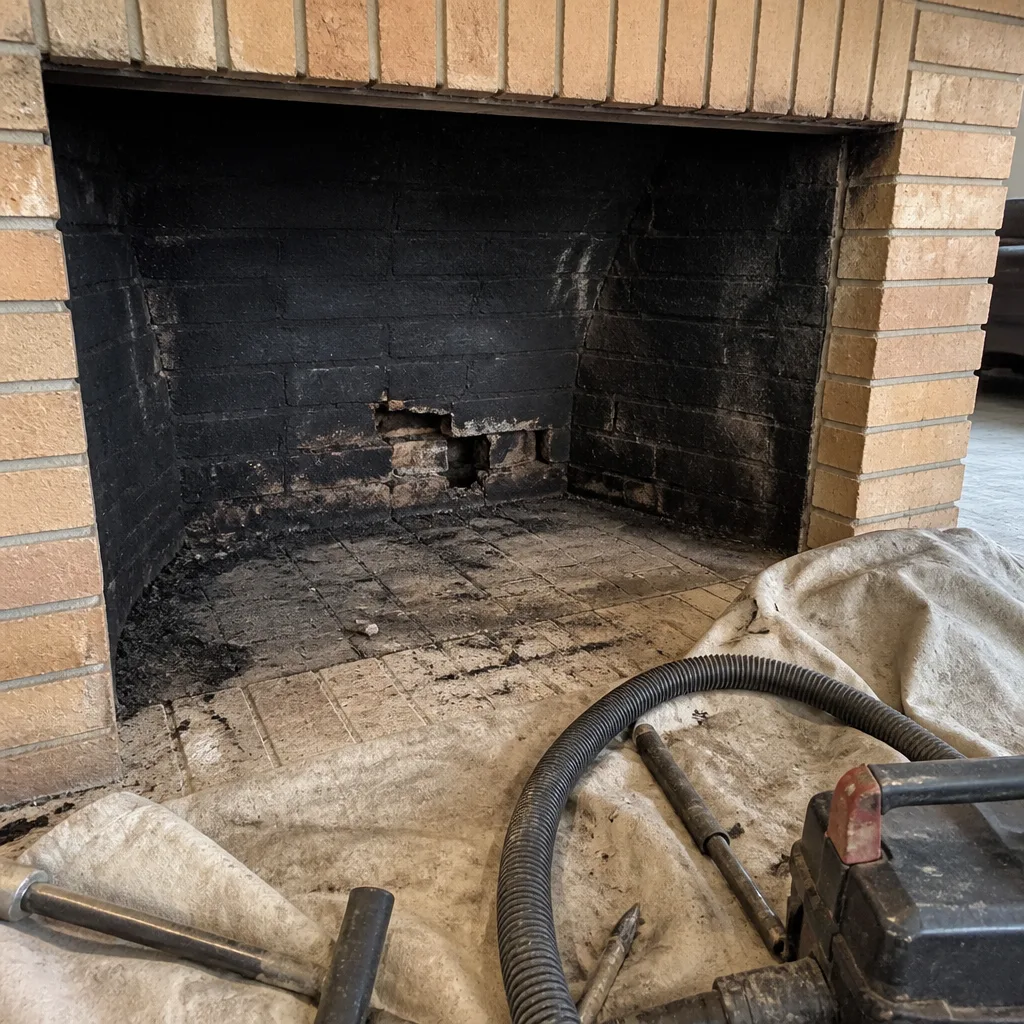 Before
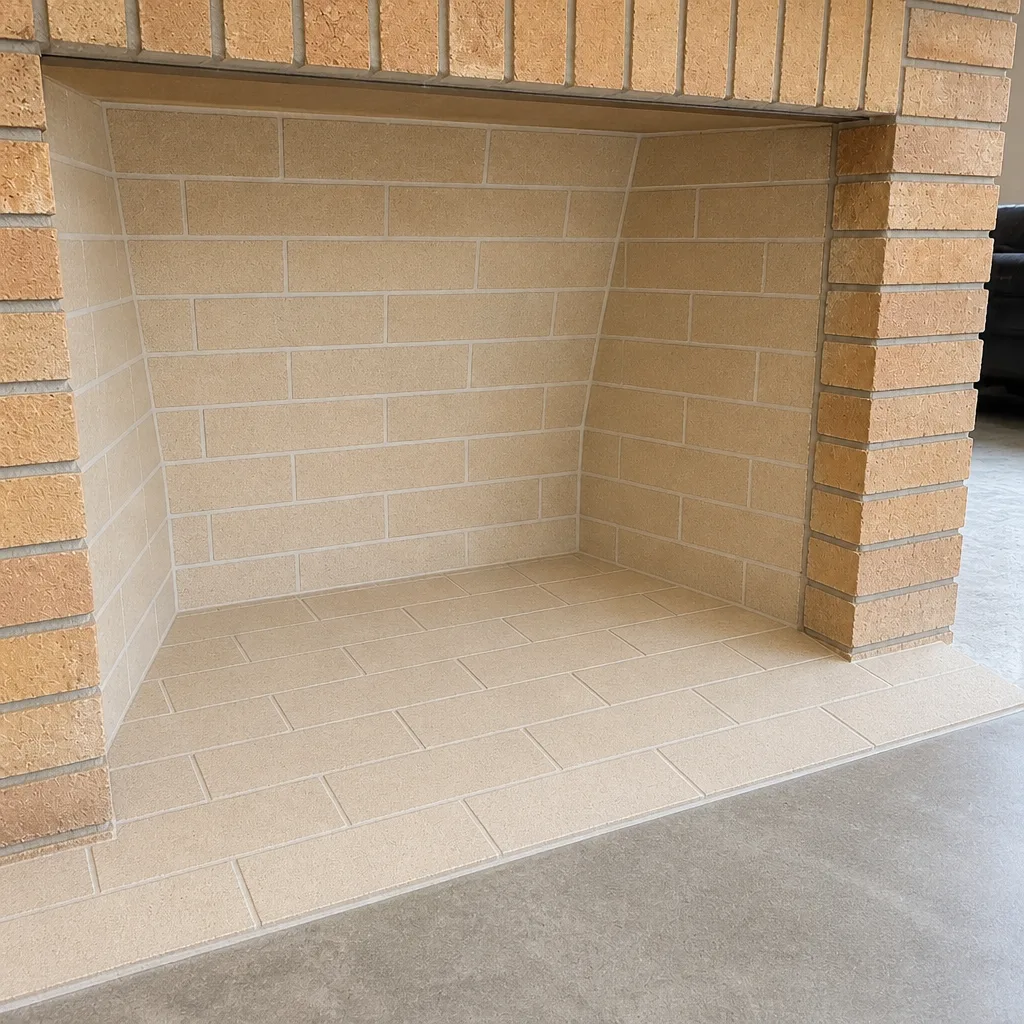 After
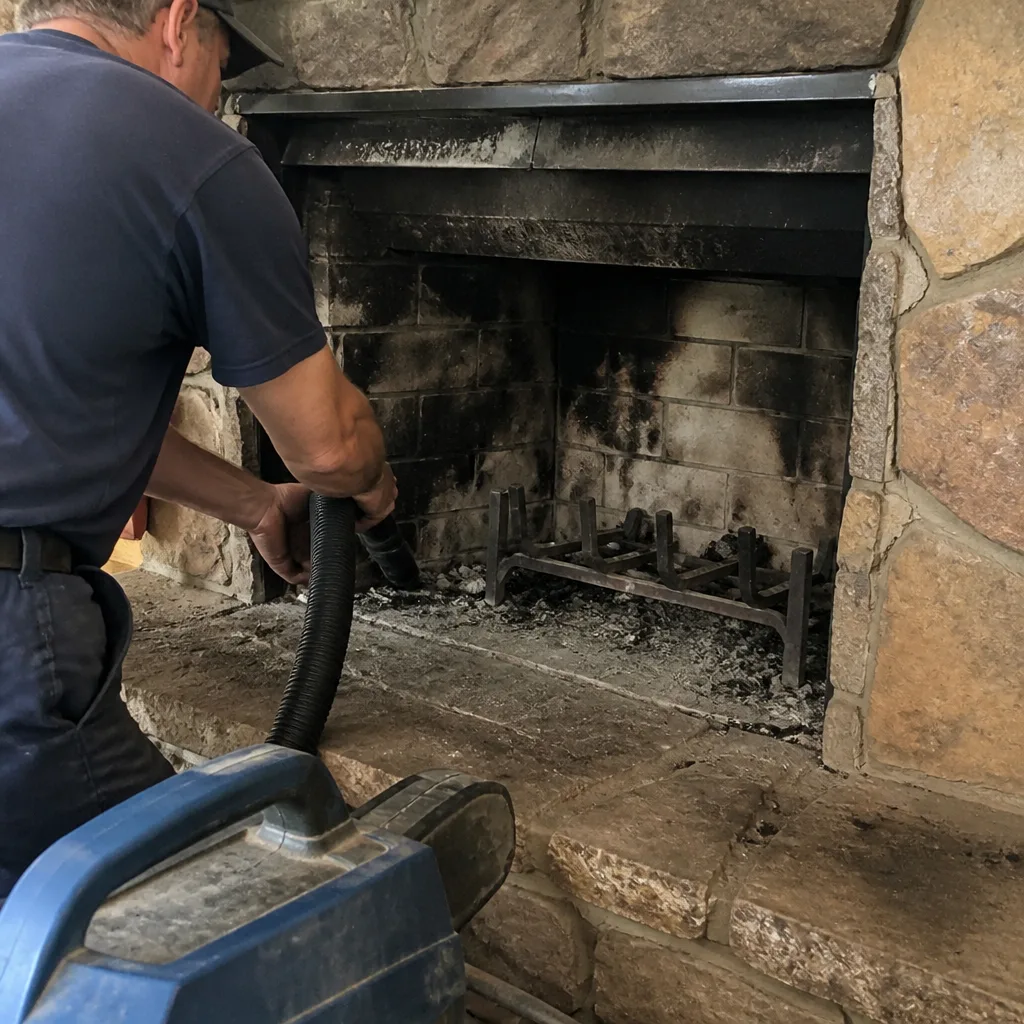 Before
 After
 Before
 After
When to Call a Professional
Some things are worth checking yourself first. A cap that’s visibly dented from the ground, a firebox that smells of soot before a fire has been lit, or a dryer that’s running longer than it used to are all reasonable for a homeowner to notice. But anything that involves looking inside the flue, reaching the damper, or getting on the roof is a job for a trained technician, and a camera inspection is the only way to know what’s actually happening to a liner.
If you closed up the chimney in spring and you’re reopening it now, that’s the window to make an appointment in advance rather than after something goes wrong. If you’ve had an inspection flag from an insurer or a home sale, don’t sit on it. If you share a wall with a dryer, add the vent to the list.
Chimney Sweep Lehigh Acres offers free estimates in Lehigh Acres – call (855) 473-9633. We can work with your insurer, and we work with professional-grade materials from manufacturers worth trusting: HeatShield, DuraFlex, Gelco, Olympia Chimney, Famco, and Copperfield. Our technicians have up to 8 years of experience. The estimate is free, the price is set per job in writing, and nothing is recommended without camera evidence you can see for yourself.
Frequently Asked Questions
A sweep is priced per job based on the size and condition of the system, and the written estimate sets the final price. The estimate itself is free, so the starting number is a conversation rather than a line item. Call (855) 473-9633 for an exact quote – estimates are free.
Not always. A liner with spalling or surface damage can often be resurfaced with HeatShield rather than replaced, and only a camera inspection of the flue can tell you which. If someone tells you the liner needs replacing without showing you the camera footage, get a second opinion. Call (855) 473-9633 and we’ll show you what’s actually going on – estimates are free.
Once a year is the standard benchmark, but the dormant-season timing matters more here than the count. A chimney in Lehigh Acres can look fine on the outside while moisture and wildlife work on it for months. Annual inspection-plus-sweep is how you catch that before the first fire of the season. Call (855) 473-9633 to book a check – estimates are free.
The common outcomes are a cracked liner from moisture cycling, a seized damper, and a nest in the flue. Those cause smoke problems, blockages, and a risk of fire or carbon monoxide inside the home that a sweep would have caught. Skipping a season doesn’t just mean more creosote; it means damage that gets more expensive to fix the longer it sits. Call (855) 473-9633 for a free estimate.
Uncapped chimneys in a warm climate are attractive real estate for nesting wildlife, and the nesting season is long. Swifts return to the same flue year after year, and raccoons can wedge into narrow flues. The fix is removal plus a proper cap from a manufacturer like Gelco or Famco, and the call is worth making as soon as you hear sounds. Call (855) 473-9633 – estimates are free.
HeatShield is a resurfacing system that rebuilds the liner surface from inside the existing flue. DuraFlex is a flexible stainless replacement liner used when the existing liner can’t be saved. The camera decides which applies, and both are professional-grade materials specified for chimney systems. Call (855) 473-9633 for an inspection and a free estimate.
The Bottom Line
The chimney problems that show up in Lehigh Acres usually aren’t the ones the national guides describe. Humidity, wildlife, and months of dormancy do the damage, not a heavy burning season. That means the fixes are different too: a resurfaced liner instead of a replaced one, a proper cap instead of a loose screen, a damper adjustment instead of a replacement. The through-line is evidence. Every recommendation should come with a camera view you can see for yourself, and anything that can safely wait should be said out loud. That’s how a Lehigh Acres homeowner gets a real answer instead of an estimate.
Call (855) 473-9633 for a free estimate. We answer 24/7, with fast dispatch from 7am to 7pm, Sunday through Friday.
Written by the team at Chimney Sweep Lehigh Acres.