
Last updated November 15, 2026
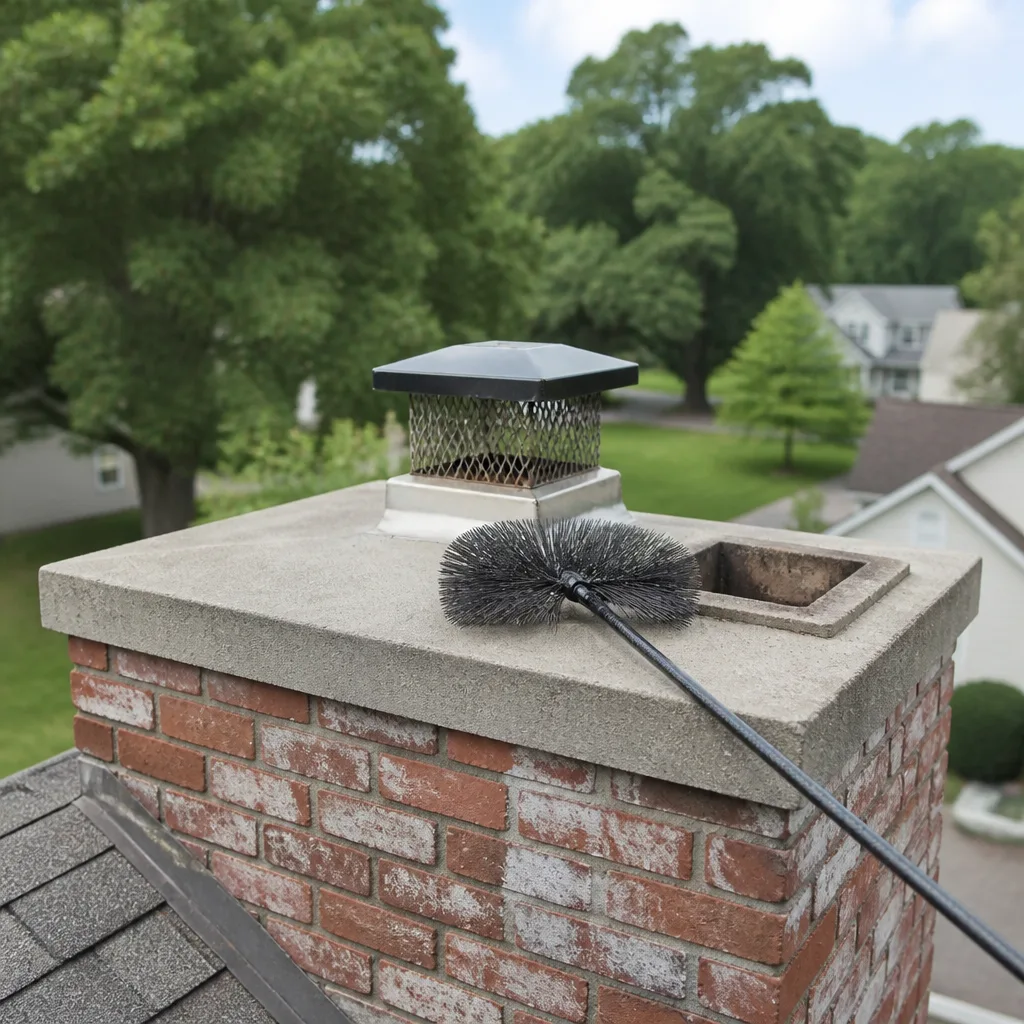 Sweep & inspection
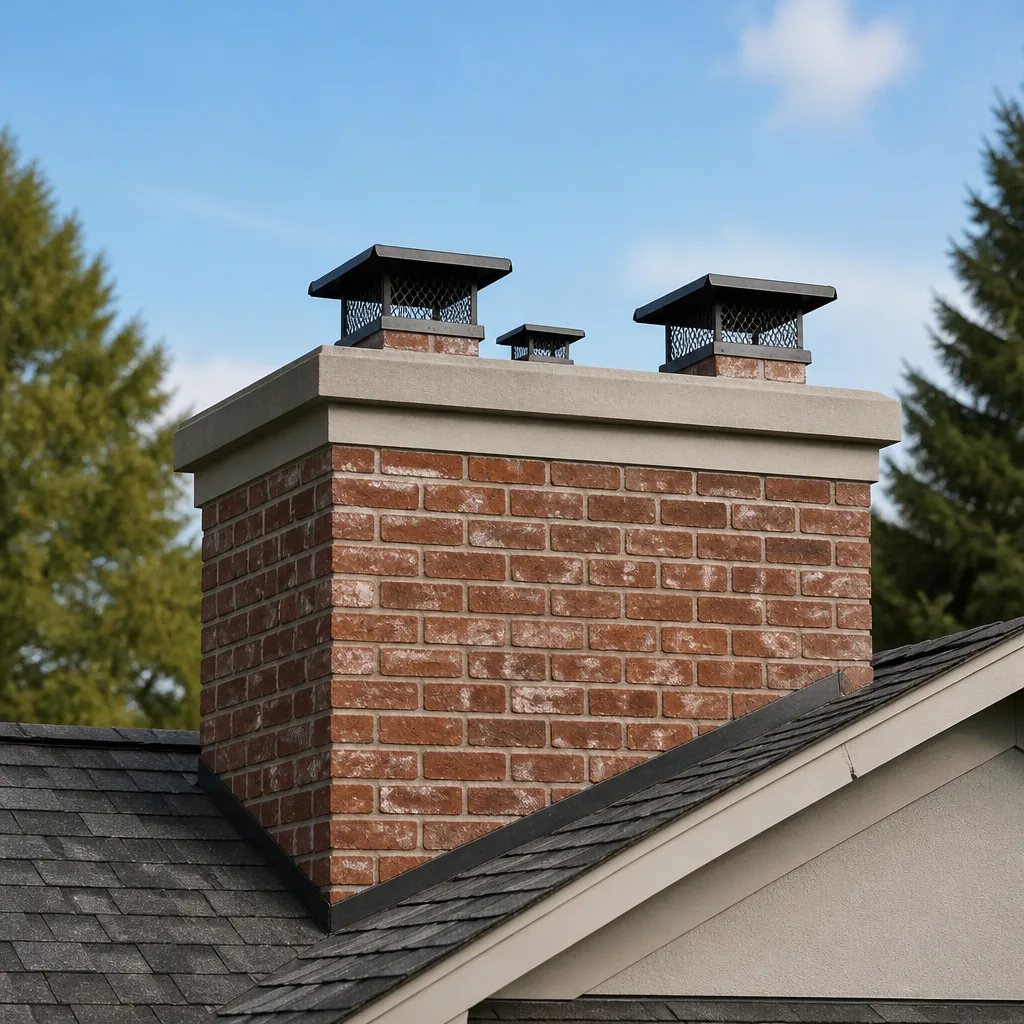 Caps & crowns
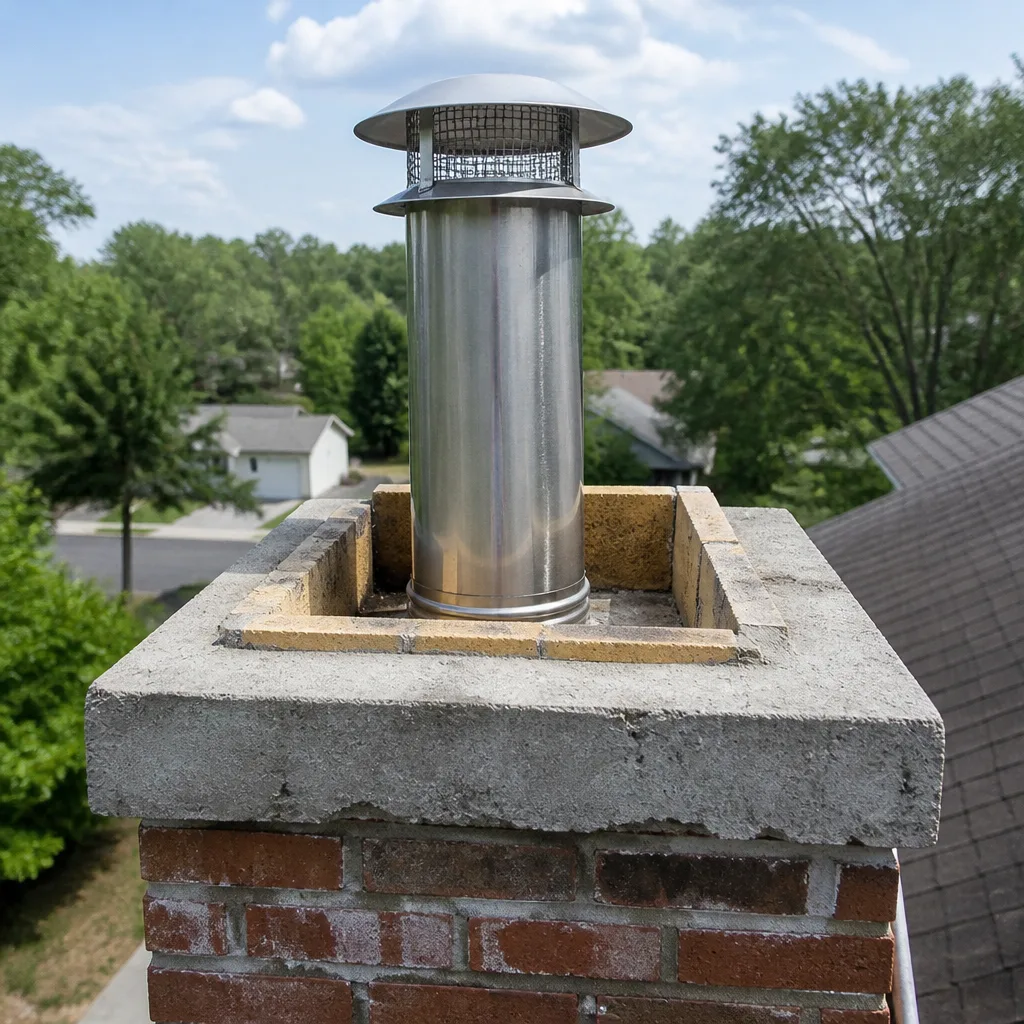 Flue relining
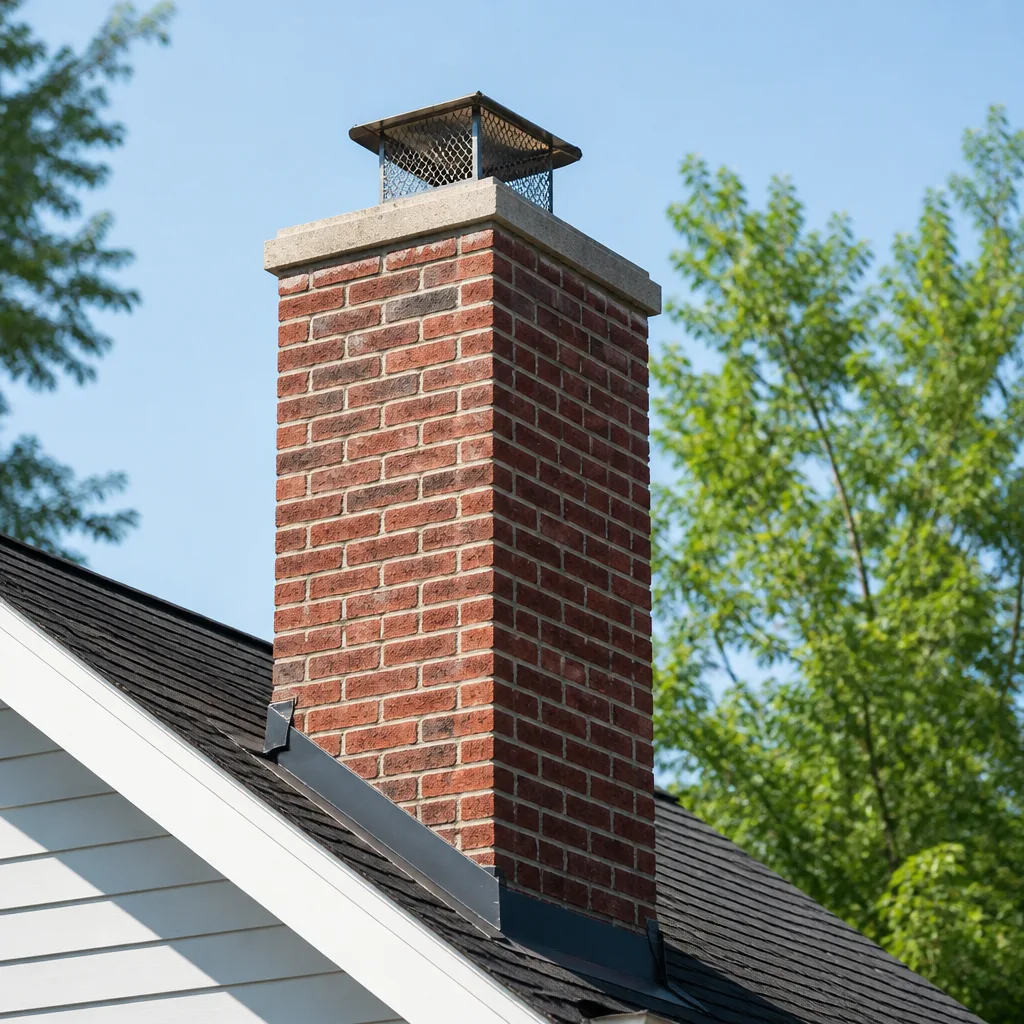 Masonry repair
 Gas fireplace service
Level 1 sweep and inspection to the NFPA 211 annual standard - flue, crown, cap, and flashing checked and photographed
Chimney sweep logs do not sweep chimneys. They loosen some creosote - which then falls where a brush and vacuum still have to collect it.
Chimney Sweep Maintenance Schedule: What to Do and When
The standard “get your chimney swept every fall” rule was written for homes that burn a cord of wood every winter. If your Lehigh Acres fireplace ran six times last year, that schedule is both too late and looking for the wrong things. Florida chimneys don’t face the same pressures as chimneys up north. There’s no freeze-thaw to crack a crown, no snow load to stress a flue. What we have instead is a long rainy season, a nesting window that starts well before anyone thinks about lighting a fire, and a burn season so short that creosote rarely gets the chance to build up the way it does in colder climates. What this guide covers: a month-by-month maintenance calendar built for Southwest Florida, the difference between a Level 1 and a Level 2 inspection and when each one actually applies, how often to schedule dryer vent cleaning in a humid climate, and the specific mistakes we see most often in Lehigh Acres homes. If you take one thing away from the next few thousand words, let it be this: the calendar you need is different.
Quick Answer
In Lehigh Acres, FL, chimney maintenance follows a two-peak rhythm: a structural and pest check in early summer (right after the rainy season begins, when moisture intrusion and nesting activity peak), and a cleaning-and-inspection visit in October or early November right before the brief burn season opens. Most homes that burn a few fires a week during the cool months need a sweep once a year; homes that rarely use the fireplace can go longer between cleanings but still need an annual inspection. Dryer vents in Florida’s humidity should be cleaned once a year for typical households. Every recommendation from a qualified technician should be backed by camera evidence you can see for yourself.
Styles & brands we work with
- Sweep & inspection
- Caps & crowns
- Flue relining
- Masonry repair
- Gas fireplace service
Table of Contents
- Why the Standard Fall Sweep Advice Misses for Lehigh Acres
- The Month-by-Month Southwest Florida Chimney Calendar
- Why Nesting Season Is the Most Critical Maintenance Window
- Level 1 vs. Level 2 Inspection: When Do You Actually Need Each?
- Dryer Vent Cleaning Frequency in Florida’s Humidity
- Masonry vs. Metal-Prefab Fireplaces: What Gets Missed in Lehigh Acres Homes
- Your Annual Chimney Maintenance Checklist
- Common Mistakes to Avoid
Why the Standard Fall Sweep Advice Misses for Lehigh Acres
Most chimney-safety calendars you’ll find online were written for a climate where the fireplace runs from October through March and the roof is buried in snow for a chunk of that. The National Fire Protection Association’s guidance that chimneys be inspected annually and cleaned as needed still applies here in full. What changes is the timing, the emphasis, and what a technician should be looking for.
Lehigh Acres is a warm, humid, low-elevation place with a rainy season that runs through the summer months. The threats to a chimney here look different from the threats up north. Moisture intrusion comes from wind-driven rain during summer storms, not from ice. Pest activity grows year-round because it never gets cold enough to reset it. And the burn season, when people light wood fires, is short – usually a handful of cool nights across December, January, and February. That short season means creosote does build, but rarely in the heavy, glazed layers you see in northern chimneys.
What this means practically:
- The most important check on a Lehigh Acres chimney is often structural and mechanical – masonry, crown, cap, flue, screens – not a heavy brush cleaning.
- Nesting and moisture issues can and do happen well before anyone thinks about lighting the fireplace.
- A single once-a-year visit timed to October covers most homes, but a home with visible moisture evidence or pest activity needs a separate check in June.
- The dryer vent is a year-round fire hazard in a humid climate and should not be forgotten because the chimney is the focus.
We’ve seen enough Lehigh Acres homes to know the pattern. A homeowner calls in November because the fireplace smells musty when it warms up, and the real problem isn’t the firebox at all. It’s a cap or crown that’s been letting in water since June. The calendar below is built to catch that in June, so you don’t discover it in November. For homeowners who want a baseline before reading further, the chimney sweep we offer includes a camera inspection and a written report, so you’ll know exactly where your chimney stands before deciding on any schedule.
The Month-by-Month Southwest Florida Chimney Calendar
A New England chimney calendar optimizes for late-fall cleaning before heavy snow-burning. A Lehigh Acres calendar optimizes for a summer structural check and an early-fall cleaning before the first cool night. Here’s the rhythm, month by month. Not every home needs every step, but this is what your chimney is actually doing through the year.
January through February: Mid-Season Check
This is the peak of the burn season, brief as it is. If your fireplace is running several times a week, plan a mid-season visual check of the firebox, damper, and cap. Look at the smoke coming out the top – dark, dense smoke means wet wood or incomplete combustion. Clean the firebox ash pan only after the ashes have been cold for 48 hours. Cold is critical; ash can hold heat for a long time.
March through April: End-of-Season Cleaning
Once you stop burning, this is the best cleaning window of the year. Creosote is fresh, ash hasn’t had a chance to absorb extra moisture through the summer, and any problem found here has months to be fixed before fall. A typical cleaning includes brushing the flue with rods from a professional-grade brush like a Copperfield unit, then a camera inspection and a photo report.
May: Pre-Rainy-Season Roof Check
Walk the outside of your home. Look at the crown, mortar joints, flashing where the chimney meets the roof, and the cap. Any crack you can see is a place water will find. Fix it now. Once the rainy season begins, water damage compounds fast. Southern-exposure brick also dries out quickly after rain, so the sun hides slow leaks well – a monthly visual check from May through September isn’t excessive.
June through August: The Critical Moisture and Nesting Window
This is the section most Florida chimney guides skip. See the next full section for why this is the most important window of the year.
September: Pest and Debris Cleanout
Summer is when birds, squirrels, and insects find uncapped or loosely screened chimneys. If your cap or screen is missing, damaged, or loose, this is the month to fix it. Get on the roof or call someone to check – a nest in the flue is both a fire risk and a carbon-monoxide risk. We stock and install Gelco and Olympia Chimney caps specifically because they are specified for the application, not generic aftermarket lids.
October: Pre-Season Cleaning and Inspection
Do the sweep and inspection in October, before the first cool evening when you’ll actually want a fire. This clears the fall debris, confirms the cap is intact, verifies the damper, and checks the liner condition. Any repair work identified here has time to be scheduled before you need the fireplace. Homeowners selling a home should schedule a Level 2 inspection around this point too – see the inspection section below.
November through December: First Burn and Follow-Up
Light the first fire of the season. Watch the smoke and smell the room. Anything odd – smoke backing into the room, a smell of creosote – means the fall visit missed something or the damper is stuck. Call us and we’ll come out to look. Do not light a second fire until you know.
If the calendar feels like a lot, the short version is this: anything that lets water or animals into the flue should be checked in early summer, and the cleaning happens just before you need the fireplace. Florida gives you months of runway on either side. Use it. Homeowners wanting to know more about what the annual inspection covers can start with the Chimney Sweep Lehigh Acres overview page.
Why Nesting Season Is the Most Critical Maintenance Window
In a northern climate, the most critical chimney maintenance event is the fall sweep – removing the creosote that built up over a long winter of fires. In Lehigh Acres, the most critical event comes earlier, and it has nothing to do with fires at all. It’s nesting season.
Birds – swifts, starlings, and occasionally larger species – look for sheltered vertical shafts to build in, and an uncapped chimney is close to perfect. The window in Southwest Florida runs roughly from March through August, longer than in northern climates because the warm weather doesn’t give them a hard stop. A single nest in a flue does several bad things at once:
- It blocks part of the flue, reducing the draft that carries smoke and carbon monoxide up and out.
- Nesting material is flammable. Under the heat of a fire, the nest can ignite.
- Decomposition of any eggs or birds left behind creates a smell the room picks up.
- Insects move in with the nest. Some migrate into the house.
The fix is simpler than the problem. A proper cap with a screen sized to the flue opening blocks nesting access without limiting draft. If your cap is missing, damaged, or big enough that a bird can push past the screen, fix it in June, not October. By the time fall comes, the nest is already there, and removing it is work – not prevention.
What to look for through the summer:
- Birds flying around the top of the chimney or landing on the crown.
- Nesting material visible at the top of the flue or just inside the screen.
- Soot or debris on the roof around the chimney base – often a sign of a broken or missing screen.
- Any animal sound coming from inside the flue, especially in the morning or evening.
Masonry chimneys in older Lehigh Acres homes are more vulnerable to nesting than modern metal-prefab systems because the flue tile edge is often flush with the crown and easier to access. If you see birds hovering around your chimney in June, call now. Waiting for the fall visit means the problem has had months to become a bigger job.
Level 1 vs. Level 2 Inspection: When Do You Actually Need Each?
Chimney inspections are classified by the National Fire Protection Association into three levels, and understanding the difference saves you from paying for a Level 2 when a Level 1 will do – or, more importantly, from getting a Level 1 when a Level 2 is what you actually need.
Level 1: The Annual Check
A Level 1 inspection is what comes with a standard annual cleaning. The technician looks at the readily accessible portions of the chimney – firebox, damper, flue from the top and bottom, and any visible exterior components. No special tools are needed beyond a camera, flashlight, and brush. If your chimney is in normal service and you haven’t moved, changed anything, or had a weather event, a Level 1 is the right annual call. It’s the inspection you get when you book a routine sweep.
Level 2: The Event-Triggered Inspection
A Level 2 includes everything from a Level 1 plus a video camera scan of the internal flue and access to areas that require removal of a component (a cap, a damper assembly, or, for some systems, a firebox panel). Level 2 is triggered by specific events. Under NFPA guidance, these events include:
- A home sale or transfer of ownership.
- A change of fuel type or appliance (for example, converting from wood to gas, or installing a new insert).
- An operating malfunction – a chimney fire, a smoke backup, or a sudden pressure problem.
- An external event likely to cause damage: an earthquake, a lightning strike, or a severe storm with impact.
- After any weather event in which the technician or homeowner suspects hidden damage.
Level 3: The Diagnostic Inspection
A Level 3 is rare and only happens when a Level 1 or Level 2 has identified a serious hidden problem that requires opening up access – removing part of a wall, for example, to look at what’s behind it. If a technician recommends a Level 3, ask for the camera evidence from the Level 2 that led to the recommendation. Nothing should be taken apart without visible justification.
What Florida Homeowners Actually Need
For most Lehigh Acres homes, the pattern is simple: a Level 1 with the annual cleaning covers you. A Level 2 is triggered by a move, a change to the system, or an event. And a Level 2 is what you should ask for if a neighbor’s chimney was hit by lightning, if the roof leaked around the chimney, or if the fireplace has started behaving differently. If someone quotes you a Level 3 without a Level 2 to justify it, ask why before signing anything.
The other common question: does a home sale require a Level 2? Under NFPA guidance, yes – any transfer of ownership should trigger one. In a hot Lehigh Acres housing market this comes up often, and the buyer’s inspector will usually request the report. Getting it done before the listing goes live is faster than waiting for a buyer request.
Dryer Vent Cleaning Frequency in Florida’s Humidity
Dryer vent cleaning is the piece of venting maintenance most homeowners overlook because it doesn’t smell, doesn’t smoke, and doesn’t back up until it’s very backed up. In Florida it matters more than the calendar suggests. A humid climate means laundry cycles run slightly longer because wet clothes take longer to dry and there’s more moisture to evacuate. Longer cycles mean more lint per load, and combined with a shorter drying season (dryers run year-round here, not just in winter), lint accumulates faster than in a dry climate.
The National Fire Protection Association links thousands of residential fires annually to dryer vents, and the most common cause is lint accumulation that reduces airflow and lets heat build up. The frequency that actually works:
- Typical household (2-4 people, running the dryer a few times a week): clean the full vent once a year.
- Large household (5+ people, daily loads, or two dryers): clean every 6 to 9 months.
- Long vent runs (over 25 feet, or with multiple elbows): every 6 months if airflow is noticeably reduced.
- Any home where the dryer feels hot to the touch, takes more than one cycle to dry a normal load, or produces a burning smell: clean immediately.
What “Cleaning” Actually Means
A real dryer vent cleaning uses a rotating brush system driven through the duct from the outside, pulling lint out from the dryer connection to the outdoor termination. It also includes blower-driven debris removal, a check of the flue flap, and confirmation that the duct path hasn’t been crushed behind the dryer. What it doesn’t mean is running a shop-vac over the lint trap. That’s the part the homeowner does between cleanings.
Lehigh Acres Specific: What to Look At
Lehigh Acres homes are often on a slab with the dryer vent exiting through a side wall rather than the roof. That’s good news – shorter runs and easier access – but it also means a crushed or disconnected vent connection behind the dryer is easy to miss. When we clean a vent, we check the connection. It’s the failure point that causes most of the damage.
Dryer vent cleaning is a dedicated service – it isn’t a smaller version of chimney work. It’s a separate system with a separate fire hazard, and it deserves its own scheduled slot in your year. A good calendar keeps both on file. Call (855) 473-9633 for a free estimate on a Lehigh Acres dryer vent cleaning and we’ll match the frequency to your household.
Masonry vs. Metal-Prefab Fireplaces: What Gets Missed in Lehigh Acres Homes
Lehigh Acres has a mix of build eras, and the chimney systems reflect them. Older masonry fireplaces are brick-and-mortar structures with clay flue tiles. Many homes built in more recent decades use factory-built metal-prefab fireplaces with steel flue sections and insulated metal chimney pipe. Each system has different failure modes and each needs a different cleaning approach.
Masonry Chimneys
Masonry chimneys in Lehigh Acres homes tend to fail from the outside in. Moisture soaks into brick and mortar, cracks the crown, opens the joints. The flue tiles themselves may be intact while the mortar that holds them has degraded. Creosote on masonry is often harder and more abrasive than on a metal flue. A stiff brush head alone won’t remove glazed creosote. Cases like that need a chemical treatment or a professional resurfacing with HeatShield, a chimney resurfacing system that forms a new structural liner inside the existing flue. It’s the repair-grade option when the liner is compromised but the chase is sound.
Metal-Prefab Chimneys
Metal-prefab units have thinner walls and a smoother interior. Creosote builds more uniformly but is easier to remove. The failure mode is different: the steel sections can separate at the joints, and the gaskets can degrade after years of thermal cycling. What gets missed in prefab systems tends to be the joints and the top termination cap. When the connection between sections loosens, smoke and carbon monoxide can leak into the surrounding chase. This is one of the reasons a camera inspection is worth it – not every problem is visible at the firebox.
What a Real Cleaning Actually Removes
At each visit, a technician using a Copperfield brush set with proper rod extensions should be removing: soot from the firebox walls, creosote from the flue surface (masonry or metal, with the right brush head), ash from the smoke chamber, and any nest or debris from the flue opening. What stays behind at a poorly done cleaning: creosote on the upper flue (technicians without proper rod extensions can’t reach the top third), debris at the smoke shelf, glazed creosote that only a mechanical or chemical treatment will remove, and cracks in the flue tile that you need a camera to see. Prefab systems also get missed at the joints. If a technician isn’t running a camera up the flue, they’re guessing. We don’t guess. If you’re on the fence about what your last cleaning actually removed, we can look with a camera and tell you. Homeowners comparing options in the area can also see what the Lehigh Acres service area page covers.
Your Annual Chimney Maintenance Checklist
This is the distilled version of everything above, in ordered steps. Pin it to the fridge or copy it into a calendar reminder. Each step lists when to do it and what a completed version looks like.
- Early May: Walk the exterior. Look at the crown, brick, mortar joints, flashing, and cap. Note any crack, missing mortar, or damaged screen. Photograph anything suspicious.
- June: Schedule a structural and pest check with a camera inspection. Confirm the cap is intact and no nesting has begun. Confirm no moisture intrusion has started since the last rain.
- September: Re-check the cap and flue opening for late-summer nests or debris. Clean any nest out before it becomes a fire risk.
- October: Schedule the annual sweep and Level 1 inspection before the first cool evening. The technician should provide a written report and camera evidence of anything they recommend. Compare that report with prior years to spot trends.
- October, same visit: If you’re selling the home, ask for a Level 2 inspection instead of a Level 1. Documentation of a Level 2 is what a buyer’s inspector asks for.
- Year-round, dryer: Clean the full dryer vent on your household cadence (typically annual). Watch for lighter dryer cycles, longer dry times, or a hot dryer body – any of those means sooner.
- Any time: After a severe storm, a lightning event, or any change to the fireplace system (a new insert, a fuel conversion, a new appliance), schedule a Level 2 inspection. Don’t wait for the annual cycle.
One note on timing: this is a recurring rhythm, not a one-time service. Getting the June and October visits done in the same year is a starter year. After that, the annual appointments become routine, and the technician is walking into a system they’ve documented before – which makes any change visible.
Common Mistakes to Avoid
- Copying a Northern chimney calendar. Getting your sweep done in fall after a long burning season works for New England. In Lehigh Acres, the structural and nesting check in early summer is what actually catches most problems. Doing the sweep in October is correct; skipping the summer check is not.
- Ignoring birds in June. A bird circling the chimney in June is a nest forming in your flue. Wait until fall to address it and you’re looking at removing a nest that’s been decomposing for months, plus the smell and the fire risk trapped inside. Get the cap fixed in June.
- Cleaning the dryer vent annually “if I remember.” Dryer vents are the largest single fire source inside most homes, and in Florida’s humidity the lint load builds faster than the annual-reminder crowd expects. Put it on the calendar and don’t leave it to chance.
- Trusting a sweep without camera evidence. A technician who only cleans and leaves you a verbal “everything’s fine” hasn’t shown you anything. A camera inspection, photo report, and written recommendation are the standard. If a company quotes thousands of dollars in liner work without letting you see the video, get a second opinion before you sign.
- Skipping the Level 2 on a home sale. Buyers and their inspectors ask for the Level 2 report. Getting it done before listing saves a rush in the middle of a contract negotiation – and an inspection done months before listing is often what reveals a hidden problem worth fixing before close.
- Missing the metal-prefab joints. Prefab chimneys don’t fail the way masonry does. The joints, gaskets, and termination cap fail first. A technician who doesn’t understand this system will clean the flue and miss the leak path entirely. Ask what inspection happened at the top termination.
- Burning green or wet firewood. Lehigh Acres has a short burn season, so the temptation to burn whatever wood is on hand is real. Wet wood produces more creosote and less heat per log, and the creosote it deposits is harder to remove. Buy seasoned wood, store it dry, and burn efficiently.
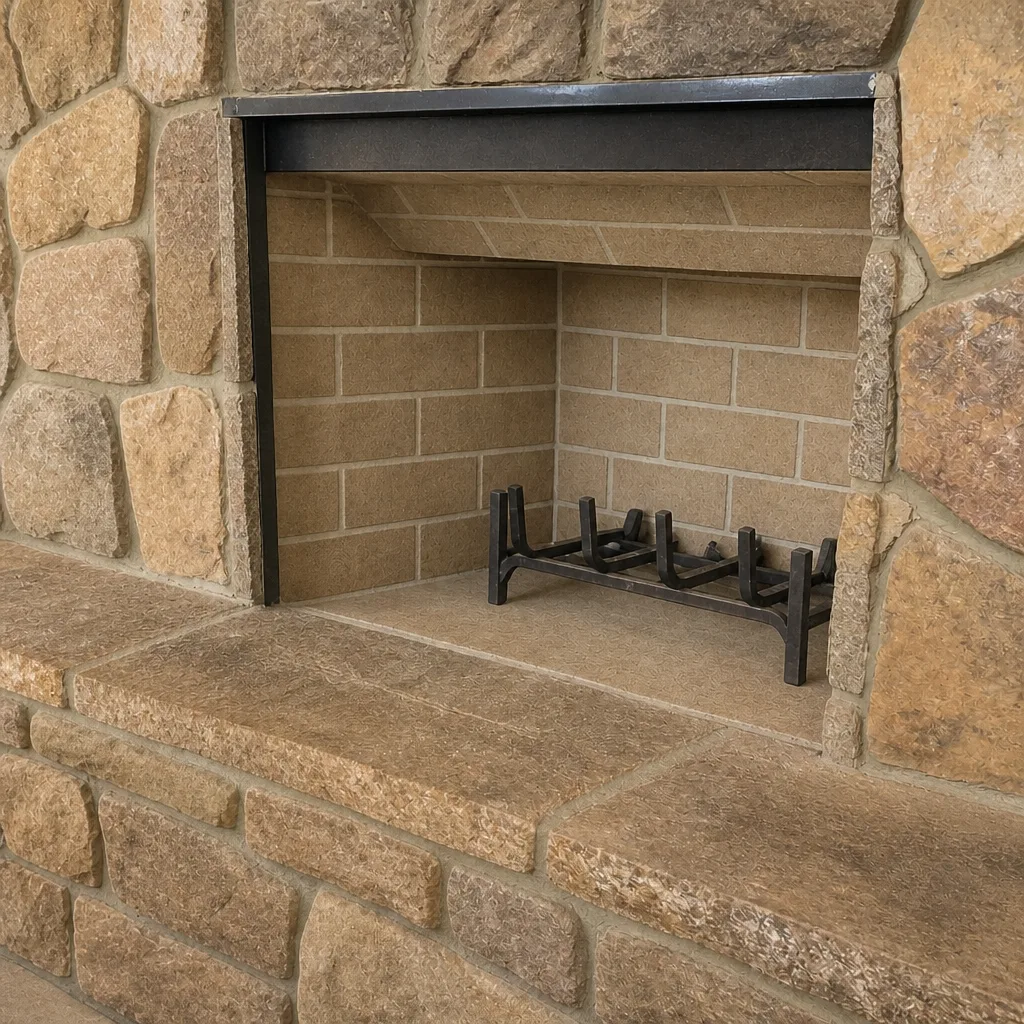
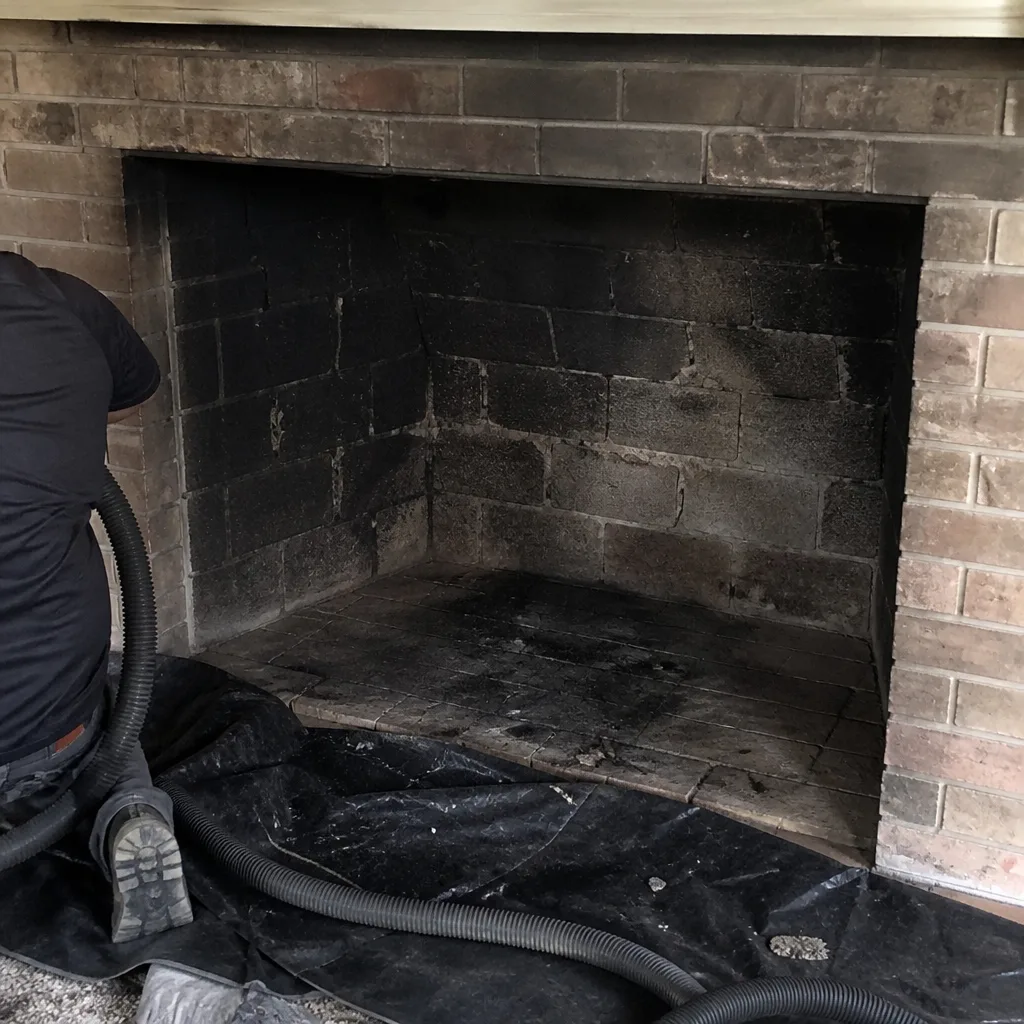
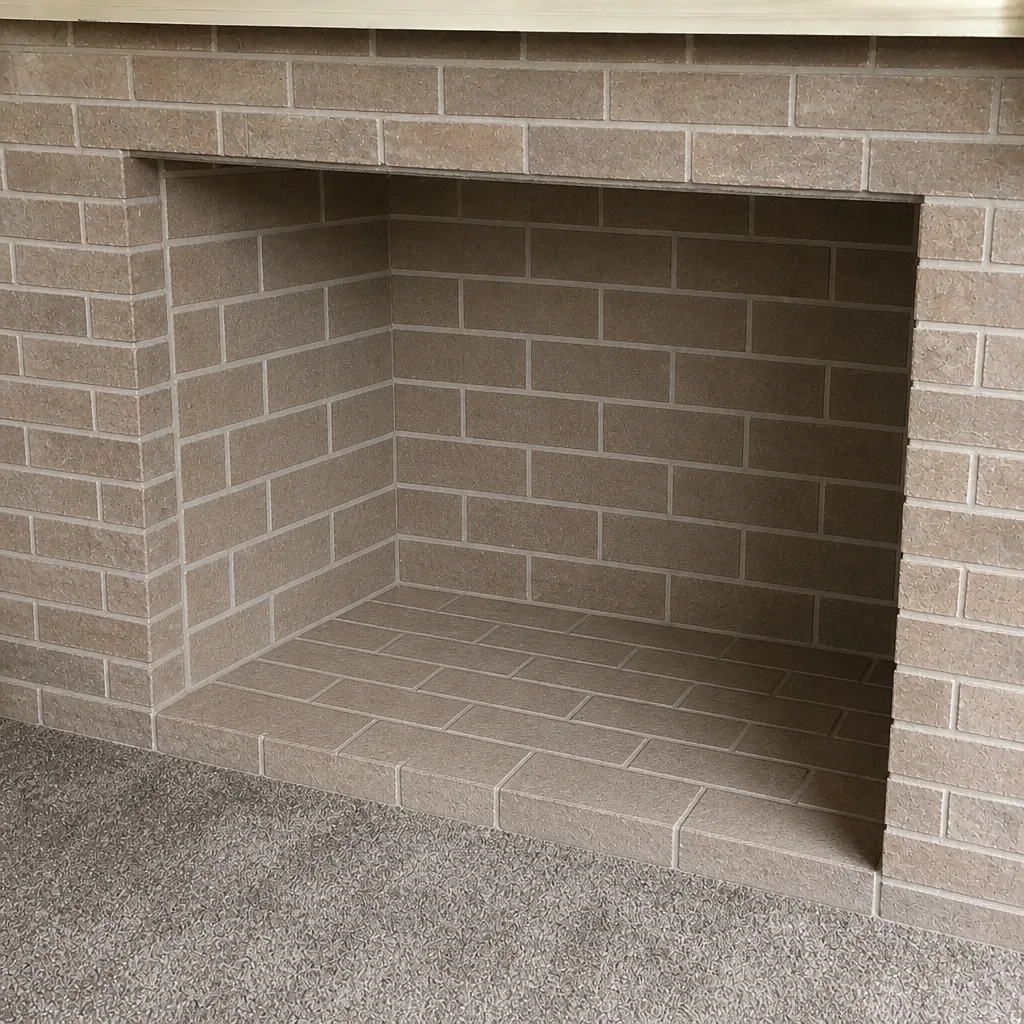
See the difference
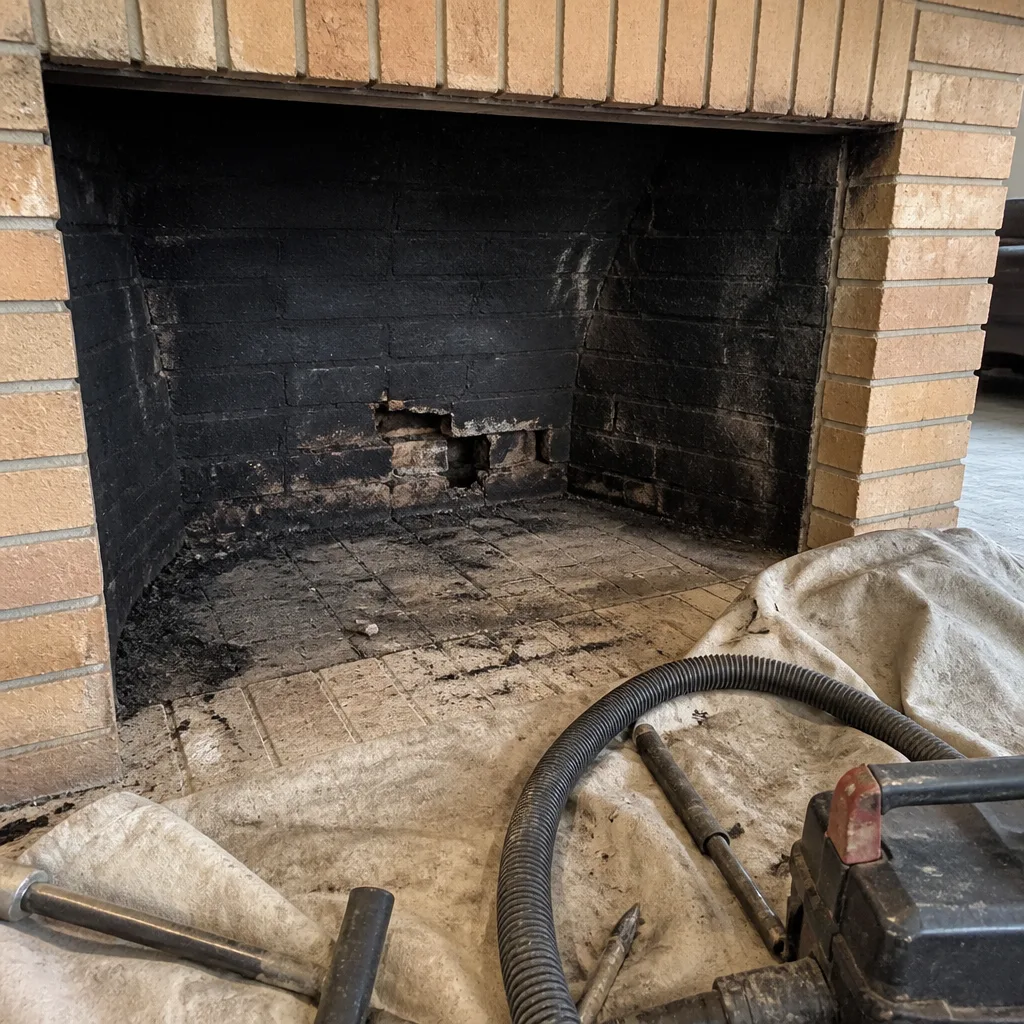 Before
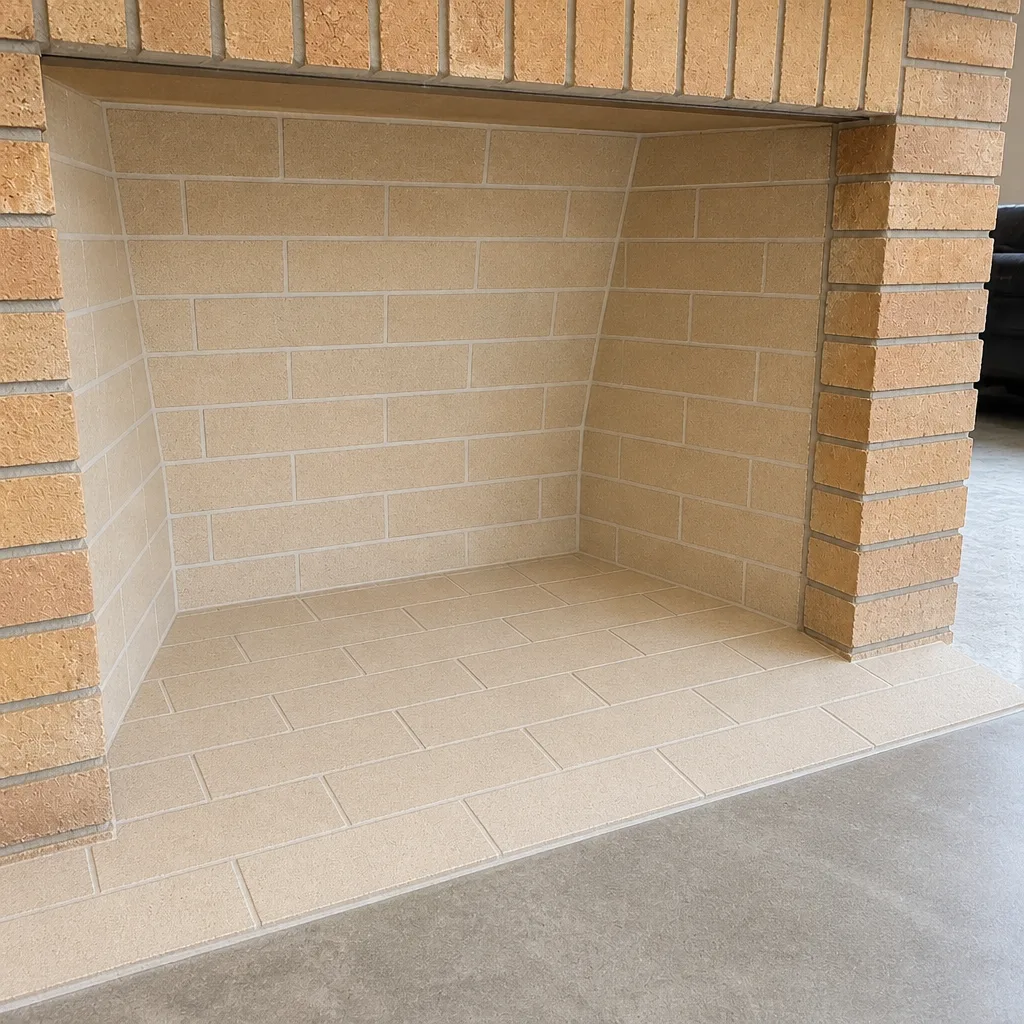 After
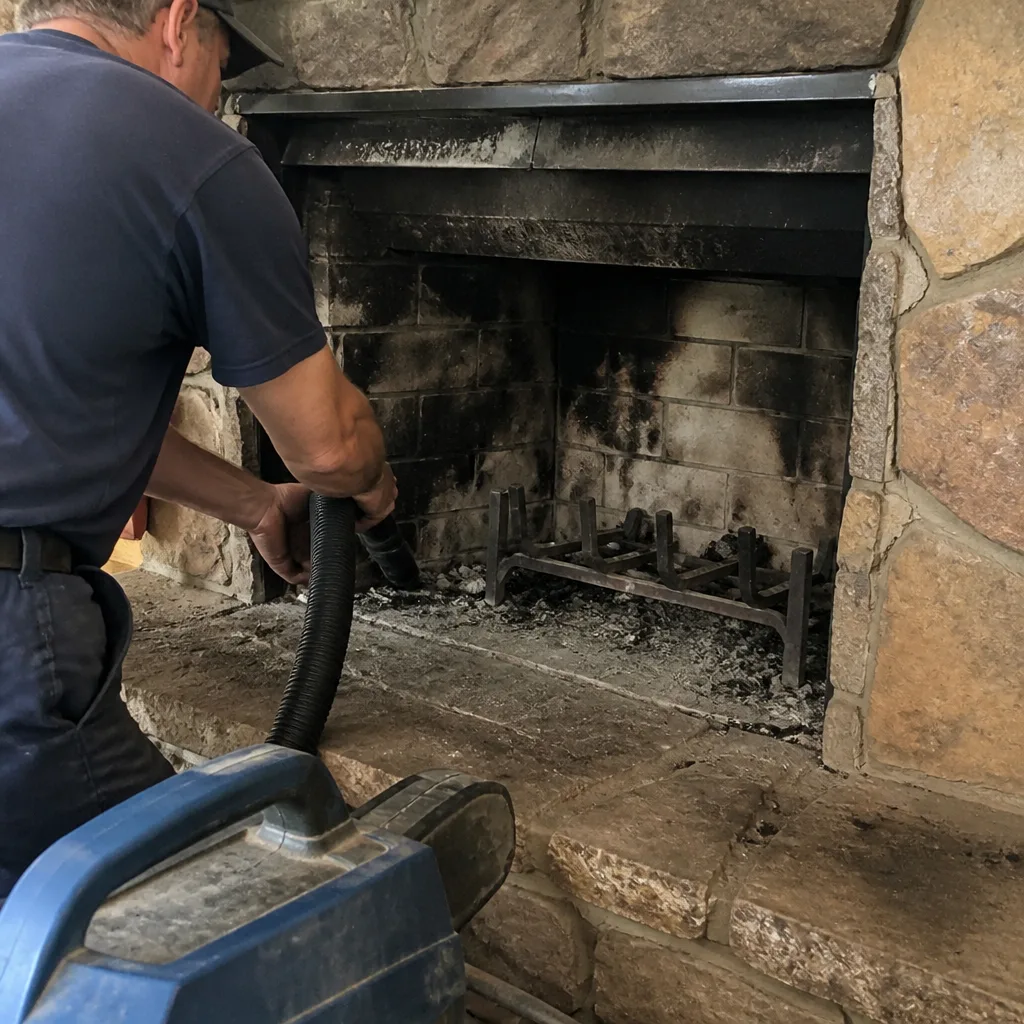 Before
 After
 Before
 After
When to Call a Professional
Some homeowner tasks belong to the homeowner. Others don’t. Call a professional when:
- The flue has obvious buildup, a nest, or visible debris.
- Smoke backs into the room when the fireplace is lit, or the room smells of creosote after the fire is out.
- The cap, crown, or masonry shows damage you can’t safely access from ground level.
- A storm, lightning strike, or roof leak has recently affected the chimney or its surroundings.
- The home is being sold – a Level 2 inspection is required as part of the transfer.
- Your dryer runs hot, takes more than one cycle, or hasn’t had the vent cleaned in over a year.
Chimney Sweep Lehigh Acres offers free estimates in Lehigh Acres – call (855) 473-9633. Our technicians have up to 8 years of experience working on both masonry and metal-prefab systems, and we work with professional-grade products from DuraFlex, HeatShield, Gelco, Olympia Chimney, Famco, and Copperfield. Cleaning, repair, and dryer vent service – handled by one crew, in one visit, with a camera report you can review yourself. We answer 24/7. Fast dispatch from 7am to 7pm, Sunday through Friday. Call for an exact quote; estimates are free.
Frequently Asked Questions
Once a year for homes that burn fires regularly, and once every two years for homes where the fireplace rarely runs – but the annual inspection should happen every year regardless. NFPA guidance calls for an annual inspection and cleaning only as needed. In Lehigh Acres, the “as needed” is usually once a year because our cool-season burns, while limited, still deposit creosote. Call (855) 473-9633 for an exact quote on a cleaning visit, and we’ll assess whether the sweep is actually necessary for your specific fireplace.
Usually no, unless one of the trigger events has happened. A Level 2 is required after a home sale, a system change (new insert, fuel conversion), an operating malfunction like a chimney fire or smoke backup, or a damaging event like a lightning strike or severe storm. The annual check is a Level 1 and covers most homes. If you’re not sure which level fits your situation, call us at (855) 473-9633 and we’ll tell you what’s actually needed – estimates are free.
Because the biggest threats in Southwest Florida are moisture intrusion and pest nesting, both of which peak from May through September – well before burning season starts. Fall cleaning addresses creosote; summer checking addresses cracks, caps, and nests. Both matter, but the summer check catches the problems that would otherwise hide under the fireplace cover all winter. Call (855) 473-9633 to schedule a summer structural and pest check before the season’s worst weather arrives.
Once a year for most households, every 6 to 9 months for larger households or long vent runs. Florida’s year-round laundry cycles and higher humidity mean lint accumulates faster than in cooler, drier climates. A dryer that runs noticeably longer, feels hot, or emits a burning smell is past due. Call (855) 473-9633 for a free estimate on a Lehigh Acres dryer vent cleaning.
Two things can happen, and neither is subtle. Creosote buildup can ignite inside the flue – that’s what causes chimney fires, and they don’t always announce themselves. Separately, a compromised cap or crown lets in water and pests, and over a season the damage moves from exterior to structural. Skipping a year isn’t catastrophic, but skipping several does compound. If you’ve let the schedule slide, call (855) 473-9633 and we’ll do a full inspection – the camera will tell us exactly where things stand.
Sometimes, but usually not. Most sweeps in Lehigh Acres find a routine cleaning is all that’s needed. When something is flagged – a cracked flue tile, a damaged crown, a compromised liner – the technician should show you the camera footage and explain what it shows before quoting anything. If work can safely wait, we say so. Nothing is recommended without evidence you can see for yourself. Call (855) 473-9633 to schedule a Lehigh Acres inspection – estimates are free.
The Bottom Line
The right chimney maintenance schedule in Lehigh Acres is different from what a national calendar will tell you. Two peaks a year: a summer structural and pest check when the rainy season and nesting season are both active, and an October cleaning right before the cool-season fires start. Annual Level 1 inspections for most homes. A Level 2 when the house is sold, the system changes, or a storm hits. Dryer vent cleaning on a separate annual cadence, more often for large households. Camera evidence before you act on any repair recommendation. Our technicians have up to 8 years of experience and work with professional-grade DuraFlex, HeatShield, and Copperfield materials, so the work is done to spec the first time. Call (855) 473-9633 for a free estimate and we’ll build the schedule around your actual home, not a generic one. We answer 24/7. Fast dispatch from 7am to 7pm, Sunday through Friday.
Written by the team at Chimney Sweep Lehigh Acres.