
Last updated November 15, 2026
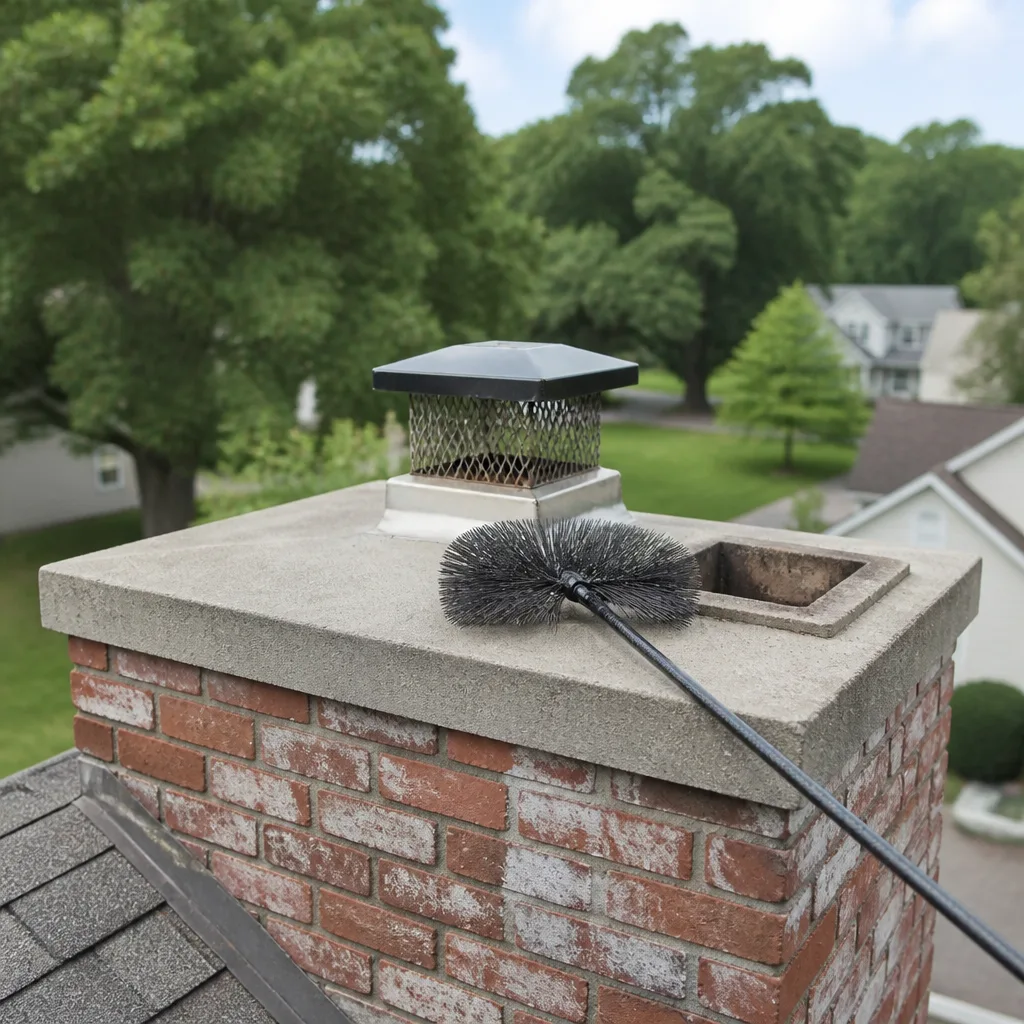 Sweep & inspection
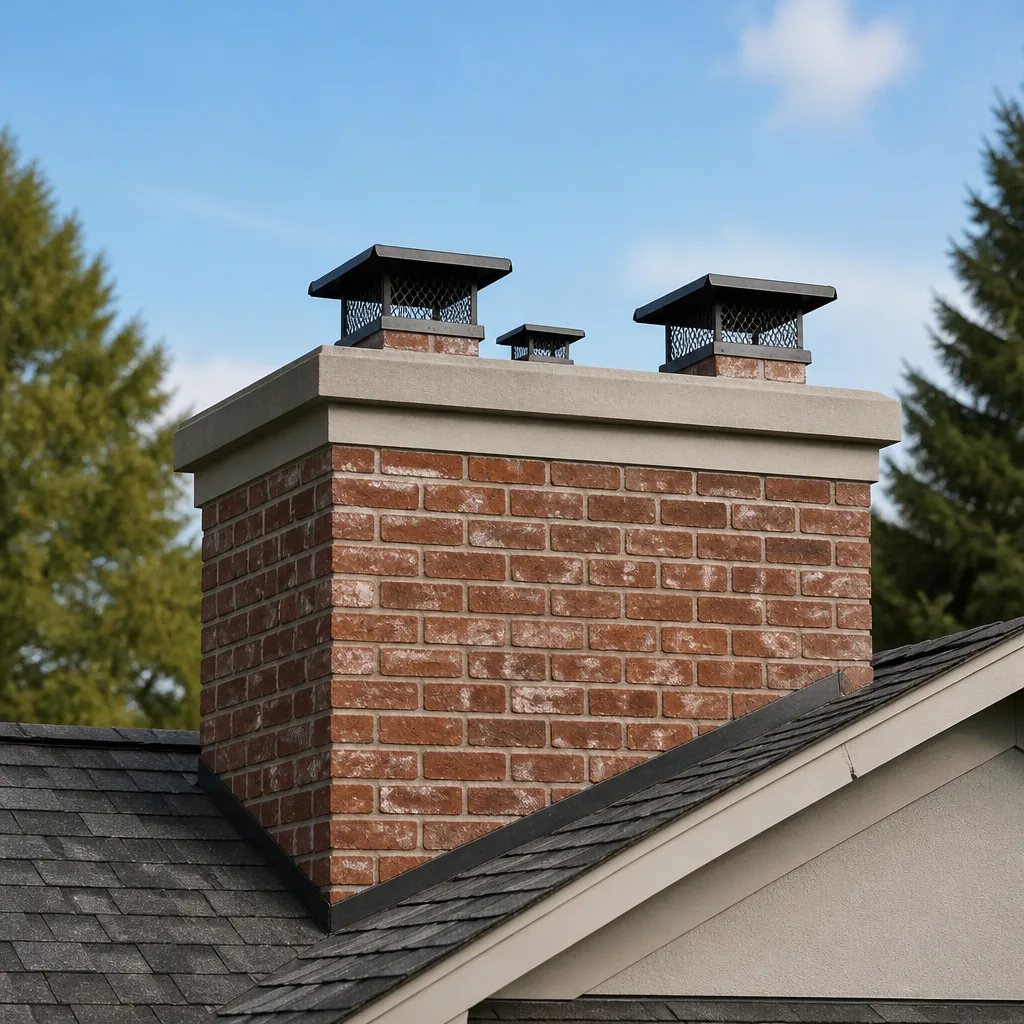 Caps & crowns
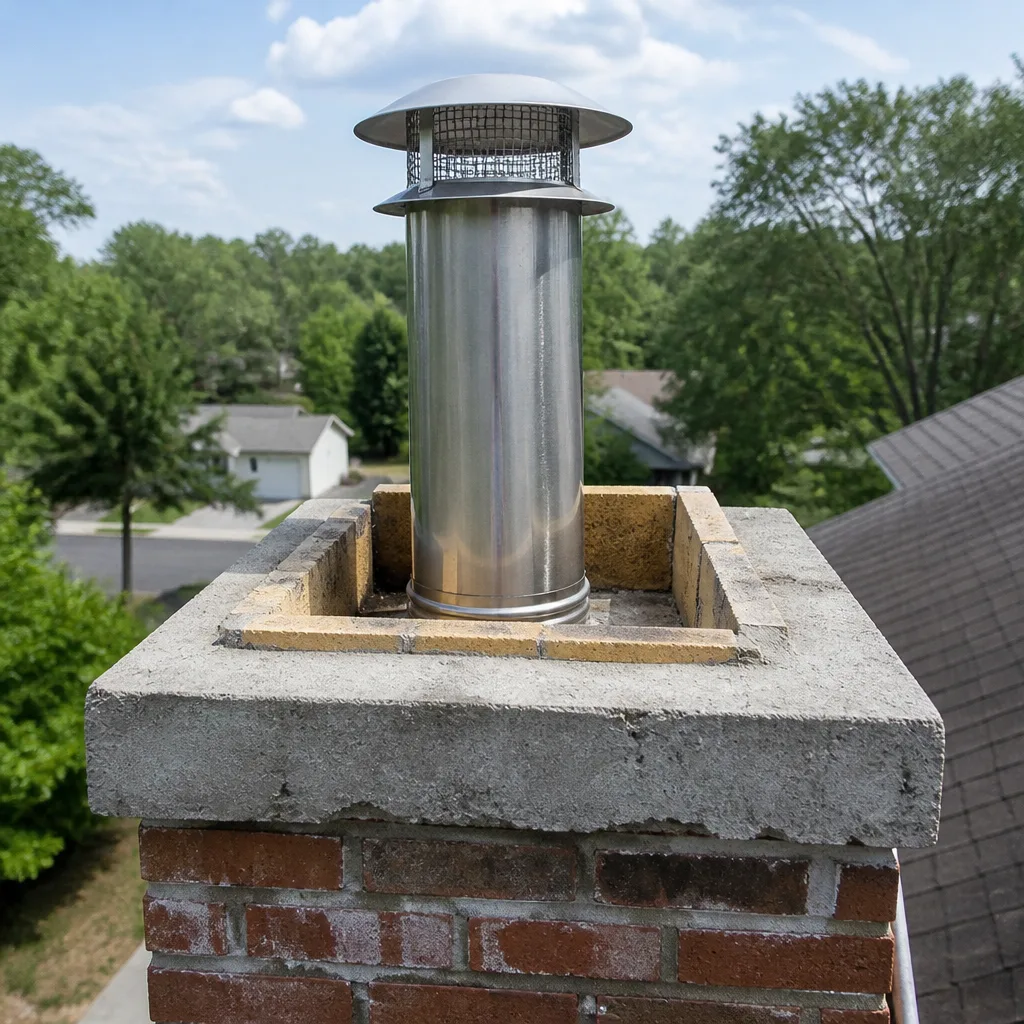 Flue relining
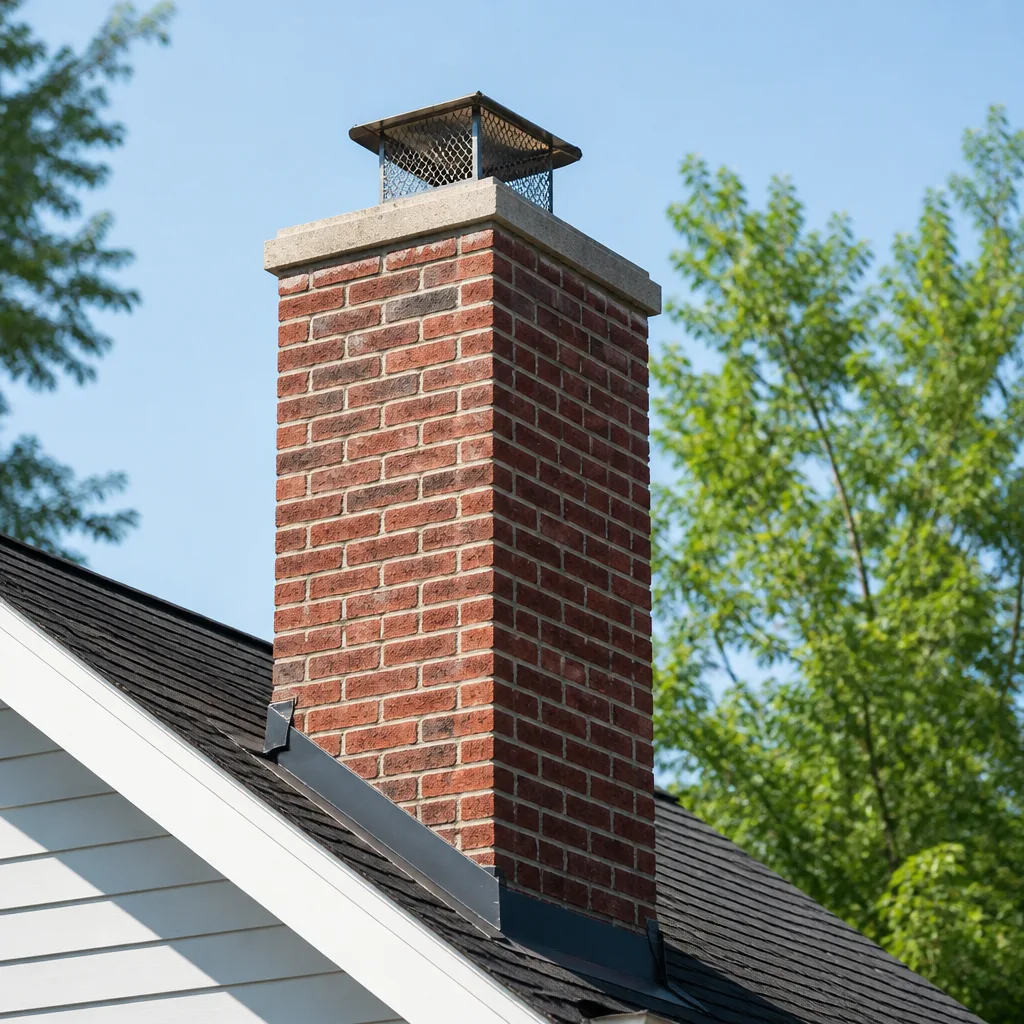 Masonry repair
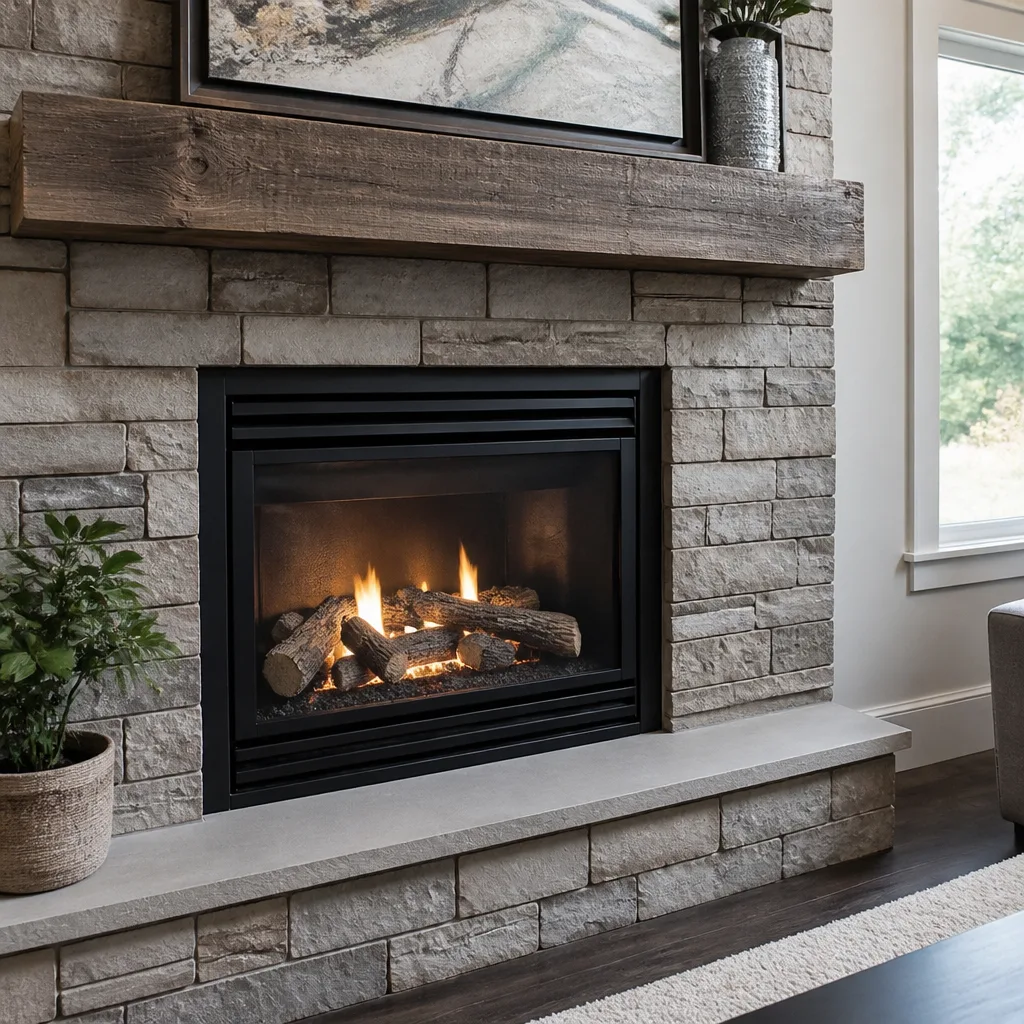 Gas fireplace service
Level 1 sweep and inspection to the NFPA 211 annual standard - flue, crown, cap, and flashing checked and photographed
Chimney sweep logs do not sweep chimneys. They loosen some creosote - which then falls where a brush and vacuum still have to collect it.
Chimney Cleaning Warning Signs: A Lehigh Acres Homeowner’s Reference Guide
White staining on the outside of a chimney looks like a cosmetic problem. It isn’t. That crusty white bloom is efflorescence, and it means water is moving through the masonry, dissolving mineral salts on its way out, and leaving them on the surface as it dries. Water moving through brick and mortar is one of the clearest early signs that a crown or a liner is already compromised. In Lehigh Acres, where summer rain arrives hard and often, that staining tends to show up long before a homeowner notices anything wrong inside the firebox. This guide covers the quiet signals, the ones that show up weeks or months before a fireplace becomes dangerous to use, and gives you language specific enough to describe what you’re seeing when you call.
Quick Answer
The most important chimney warning signs in Lehigh Acres are efflorescence and spalling on the exterior, rust on the damper plate, a white haze on firebox walls, musty or oily smells, and smoke rolling into the room even with the damper open. Any of these means the flue or the masonry is compromised and should be inspected before the next fire. Stop using the fireplace today if you smell burning plastic, see loose or falling refractory panels, or get smoke backdrafting into the room; schedule service within the month for staining, spalling, and slow draft.
Styles & brands we work with
- Sweep & inspection
- Caps & crowns
- Flue relining
- Masonry repair
- Gas fireplace service
Table of Contents
- Exterior Warning Signs You Can See From the Ground
- Interior Firebox Signals and What They Mean
- Smell-Based Warnings: What Each Odor Tells You
- Draft and Performance Problems
- Warning Signs That Mean Stop Today vs. Schedule This Month
- Why Lehigh Acres Chimneys Age the Way They Do
- What Actually Happens During a Professional Sweep
- A Simple Monthly Self-Check You Can Do Yourself
Exterior Warning Signs You Can See From the Ground
Most of what goes wrong inside a chimney shows up on the outside first. You don’t need a ladder or a camera to catch the early signals. You need to know what you’re looking at and how to describe it. In Lehigh Acres, the combination of heavy summer rain and long dry stretches puts masonry through a real workout, and the exterior is where that shows.
Here are the exterior signs worth photographing and describing to a technician:
- Efflorescence. A white, powdery, or crusty bloom on the brick face. It wipes away easily at first and returns after rain. That return is the tell: moisture is still moving through the masonry and carrying salts to the surface. Efflorescence alone isn’t structural failure, but it’s a strong indicator that water is getting in somewhere, often at the crown or a failed mortar joint.
- Spalling brick faces. Where efflorescence is salt on the surface, spalling is the brick itself breaking away. Look for shallow craters, peeling faces, or brick dust collecting at the base of the chimney. Once brick faces spall, the masonry is absorbing water faster, and the damage accelerates with each rainy season.
- Mortar joint gaps. Mortar is softer than brick and wears first. Run your eye down the joints from the ground. Recessed or crumbling joints let water straight into the wall cavity. Hairline cracks in the crown are normal; open joints in the field of the chimney are not.
- Cap corrosion. Rust streaks, flaking metal, or a cap that’s visibly tilted or separated from the flue. A cap that’s failed stops keeping rain and animals out, which turns a minor repair into a flue problem. Products from Famco and Copperfield are what we install when a cap needs replacing.
- Chimney leaning or pulling away from the roofline. This is a structural sign and belongs in the stop-and-call category. Don’t wait on a lean.
Take photos of anything you see. A photograph from the ground is often enough for a technician to tell you whether it’s a cleaning-level issue or a repair-level issue before anyone gets on the roof. That saves everyone time, and it means the conversation starts with evidence instead of guesswork. When you’re ready to have someone look, a chimney sweep in Lehigh Acres can inspect the exterior and the flue on the same visit.
Interior Firebox Signals and What They Mean
Inside the firebox, the warning signs are smaller but just as telling. Our technicians have up to 8 years of experience, and the interior details below are the ones that most often get dismissed as normal wear when they’re actually the first stage of a bigger problem.
Rust on the damper plate. The damper sits above the fire and below the flue. It should be dry most of the time. Rust on the damper plate, or a damper that sticks and won’t open fully, means moisture is reaching it from above or from a leaking crown. That moisture is coming down the flue, which means your liner is exposed to it too. Rust is a moisture diagnosis, not a cosmetic one.
White haze on the firebox walls. A chalky white film on the firebrick or refractory panels is different from efflorescence on exterior brick. Inside the firebox, a white haze usually points to moisture in the refractory or to a chemical reaction from burning materials that shouldn’t be in the fire. Either way, it’s worth an inspection before the next season.
Loose refractory panel joints. Refractory panels line the firebox and protect the structure behind them from heat. The joints between panels should be tight. If you can see gaps, cracks, or a panel that moves when you press it lightly (with the fire cold and out), the firebox is no longer containing heat the way it was built to. This is a stop-using-it sign.
Crumbling mortar in the smoke chamber. The smoke chamber is the sloped area above the damper. It’s hard to see without a camera, which is exactly why our inspections include one and the photo report is yours to keep. If a technician tells you the smoke chamber needs work, ask to see the image. You should never be asked to approve work on a part of the chimney you can’t see.
If the firebox shows rust, haze, or loose panels, the next step is a proper inspection. You can Chimney Sweep Lehigh Acres when you’re ready, and the team will tell you plainly whether the work can wait or not.
Smell-Based Warnings: What Each Odor Tells You
Smell is the most underrated warning sign in a chimney, and it’s the one homeowners are most likely to explain away. Lehigh Acres homes close up tight when the air conditioning runs, which traps chimney odors inside and makes them easier to notice, not harder. Each smell points to a different problem.
- Musty smell. Moisture. Somewhere in the flue or the masonry, water is sitting. This usually pairs with efflorescence or rust on the damper. Musty is a slow-developing warning, but it doesn’t resolve on its own.
- Rotten egg smell. Two possible causes. If you have a gas appliance or a gas log set, this is a gas issue and should be treated seriously: leave the area and contact your gas utility before anything else. If you have no gas appliance, the smell is more likely an animal that has gotten into the flue and died there. Either way, don’t light a fire.
- Burning plastic smell. A foreign object in the flue, most often a bird nest, debris, or a piece of plastic that’s been drawn in. Burning plastic is a stop-today sign. Smoke from burning plastic is not something you want to breathe, and a blocked flue can push that smoke back into the room.
- Oily, asphalt-like, or creosote smell. This is the most serious one. Stage 3 creosote has a distinctive oily, tarry smell, and it looks like a glazed or puffy coating inside the flue. In small amounts creosote is normal; glazed, thick creosote is not. It’s a fire hazard, and it’s a stop-using-it sign until a sweep removes it.
If you’re not sure what you’re smelling, note the smell, when it’s strongest, and whether the fire is lit. “Oily and strongest the day after a fire” tells a technician far more than “it smells weird in here.” That’s the kind of description that gets you an accurate answer on the phone.
Draft and Performance Problems
A chimney that doesn’t draft right isn’t just annoying. Poor draft is a symptom, and the underlying cause is usually one of a short list of problems. If you notice any of the following, treat it as a prompt to get the chimney inspected rather than a reason to try harder with the fire.
- Smoke rolls into the room when you light a fire. A little puff at cold start can be normal in some fireplaces. Smoke that keeps rolling out after the fire is established and the damper is fully open is not. It points to a blockage, a liner that’s failed or is the wrong size, or a pressure problem in the house.
- Slow, difficult fire starts. If fires that used to light easily now smolder, the flue may be partially blocked. Creosote buildup, a nest, or a collapsed liner section all reduce the draw.
- Backdrafting even with the damper fully open. Smoke or warm air pushing down into the room rather than up the flue. In a tight, air-conditioned Lehigh Acres home, backdrafting can be a house-pressure issue as much as a chimney issue, but the first thing to rule out is a physical obstruction or a liner failure.
- Smell of smoke in the house when no fire is burning. That’s reverse draft pulling odors down the flue. Often it pairs with a musty smell, which points back to moisture.
- Strong draft or whistling. Less common, but a whistling flue can mean a gap in the liner or in the cap assembly. A failed cap is a cheap fix; a failed liner is not, which is why the inspection matters.
Draft problems in Lehigh Acres often appear in the first cool week of the year, after a summer of the chimney sitting idle. That first fire is a test. If it doesn’t draw the way it used to, stop and call. Smoke in the room is not a problem you solve by opening a window and hoping.
Warning Signs That Mean Stop Today vs. Schedule This Month
The most useful thing you can take from this guide is a risk tier. Not every sign is an emergency, and treating every sign as one makes it harder to tell which problems are urgent. Here’s how we sort them.
Stop using the fireplace today
- Smoke or burning smells coming into the room with the damper open.
- Burning plastic smell, or any smell of something burning that shouldn’t be.
- Oily or tarry creosote smell, or visible glazed creosote in the flue.
- Loose, cracked, or displaced refractory panels in the firebox.
- A chimney that’s visibly leaning or separated from the roofline.
- Rotten egg smell with a gas appliance in the home.
None of these are jobs to “keep an eye on.” If you see or smell one of these, don’t light another fire until a professional has looked at it.
Schedule service within the month
- Efflorescence or white staining on the exterior.
- Spalling brick faces or brick dust at the base.
- Open or crumbling mortar joints on the chimney exterior.
- Rust on the damper plate or a damper that sticks.
- White haze on the firebox walls.
- Slow fire starts or a draft that’s weaker than it used to be.
- A cap that’s corroded, tilted, or loose.
These are signs that the chimney is already working harder than it should. Getting to them before the next burn season is the difference between a cleaning and a repair. If a firebox panel is loose or a chimney is leaning, that’s a repair, not a sweep, and it should be handled by someone who works on chimney structure, not a general handyman.
Why Lehigh Acres Chimneys Age the Way They Do
Chimneys here live in a specific set of conditions. Lehigh Acres gets heavy summer rain that arrives fast, and long dry stretches in between. That cycle matters because wet masonry expands when it takes on water and shrinks as it dries. Over years, that movement opens hairline cracks in mortar and at the crown, and each crack lets in more water on the next storm. That’s why efflorescence and spalling are so common in Lehigh Acres and why they show up on chimneys that look fine from the driveway.
Housing stock matters too. Many Lehigh Acres homes have fireplaces that sat unused for long periods before a new owner started burning, and a chimney that’s been idle is a chimney nobody has inspected. The first thing we check on an idle fireplace is the flue condition and the cap, because a failed cap over a few years of rain will do real damage to the liner. Products like DuraFlex liners and Famco caps are what we use to put those systems back into reliable service.
The other local factor is how tightly homes are built and how much they run air conditioning. A house that’s closed up all summer pulls air from wherever it can, including down the chimney. That’s why reverse draft and smoke smell show up on hot, still days even when no fire has been lit in months. It’s not a ghost; it’s pressure and a flue that’s open to the sky.
We work in Lehigh Acres on projects like this regularly, and the pattern is consistent. Exterior staining first, then the interior signs, then the draft problems. Catching them in that order is what a good inspection is for.
What Actually Happens During a Professional Sweep
If you’ve never had a chimney swept, the process is simpler than most people expect, and worth knowing before you book one. Here’s the sequence, in order.
- Exterior check from the ground. The technician looks at the crown, the cap, the flashing, and the brick face before anything goes up on the roof.
- Firebox and damper inspection. The damper is operated, the firebox walls are checked for haze, cracks, and loose panels.
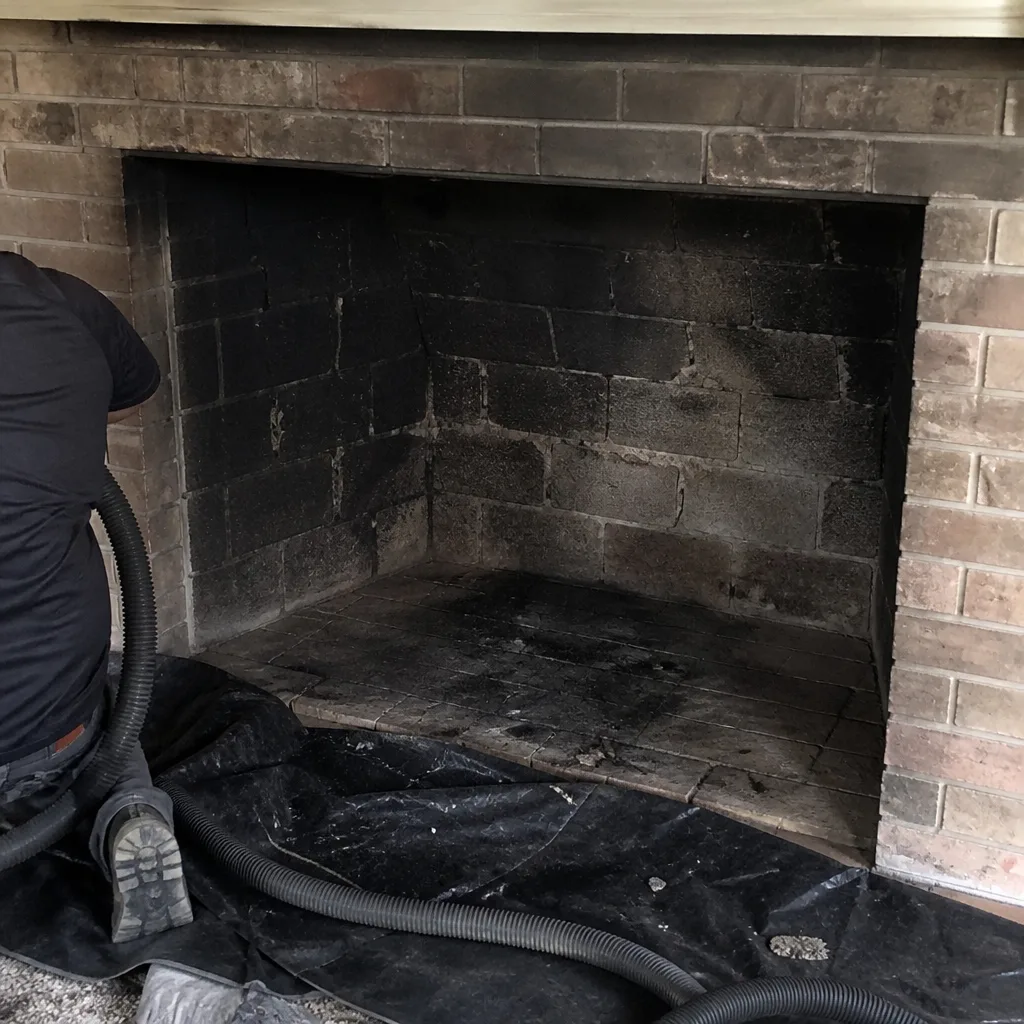
- Flue cleaning with proper containment. A drop cloth and a vacuum keep the dust in the work area, not in your living room. The flue is brushed and the debris is removed.
- Camera inspection. A camera goes up the flue to look for creosote stage, liner condition, and blockages. You get photos of what the camera sees.
- The report and the flat-price estimate. You get a clear explanation of what was found. If work is recommended, you see the evidence before you decide, and the price is written down and agreed before any work is booked.
If the flue liner is compromised, resurfacing with HeatShield is one repair option, and it’s a repair-grade solution rather than a patch. If the liner needs replacement, DuraFlex and Olympia Chimney components are the kind of professional-grade materials we install. We name what we install because you should be able to look up every part that goes into your chimney. A sweep is also the right time to ask about dryer vent cleaning, since dryer vents are a separate fire hazard in the same house and the same visit can cover both.
A Simple Monthly Self-Check You Can Do Yourself
You don’t need to climb a ladder to keep an eye on your chimney, and you shouldn’t. Here’s a short check you can do from the ground and from inside the house. It takes about five minutes and it’s the best way to catch a problem while it’s still small.
- Walk the exterior at ground level. Look for white staining, brick dust, or open mortar joints. Photograph anything new.
- Check the cap and the crown from a distance. Binoculars from the yard are enough. Look for rust streaks or a cap that’s off-level.
- Open the damper and look inside. With the fire cold, look for rust on the damper plate, white haze on the firebox walls, and gaps between refractory panels.
- Note any smell. Musty, oily, burning plastic, or rotten egg. Write down when it’s strongest.
- Light a test fire in cool weather and watch the draft. Smoke rolling into the room means stop and call.
Keep the photos and notes. If you call and say “efflorescence on the south face, worse after rain, and a rusted damper,” a technician can usually tell you on the phone whether it’s a sweep or a repair. That’s a much better conversation than “something’s wrong with my chimney.”
Common Mistakes to Avoid
- Treating efflorescence as a cosmetic issue. White staining means water is moving through the masonry. Painting over it traps the moisture and makes the problem worse. Find the source first.
- Burning a fire to “see if it’s fine” after noticing a smell. A test fire after a burning plastic smell or an oily creosote smell can push smoke into the house or, worse, ignite glazed creosote. If you smell it, don’t light it.
- Assuming a sweep is just a cleaning. A sweep is also your inspection. If the technician only brushes the flue and leaves without a camera look and a written report, you don’t know what condition the liner is in.
- Skipping the chimney because you only burn occasionally. In Lehigh Acres, an idle chimney still takes in rain and animals. A chimney used twice a year still needs an annual look, and a failed cap does its damage whether or not you light a fire.
- Hiring a general handyman for a flue repair. Chimney liners, crowns, and caps are a trade of their own. Materials from HeatShield, Gelco, and DuraFlex are made for chimney systems; generic substitutes aren’t a safe swap.
- Ignoring the dryer vent. It’s a separate fire hazard and it gets forgotten because it isn’t the fireplace. If your dryer takes longer than it used to, or clothes come out hot, the vent needs a look.
- Waiting until the first cold snap. Every fireplace in Lehigh Acres gets tested in the same week. Booking a sweep before then means you get a real answer instead of a rushed one.
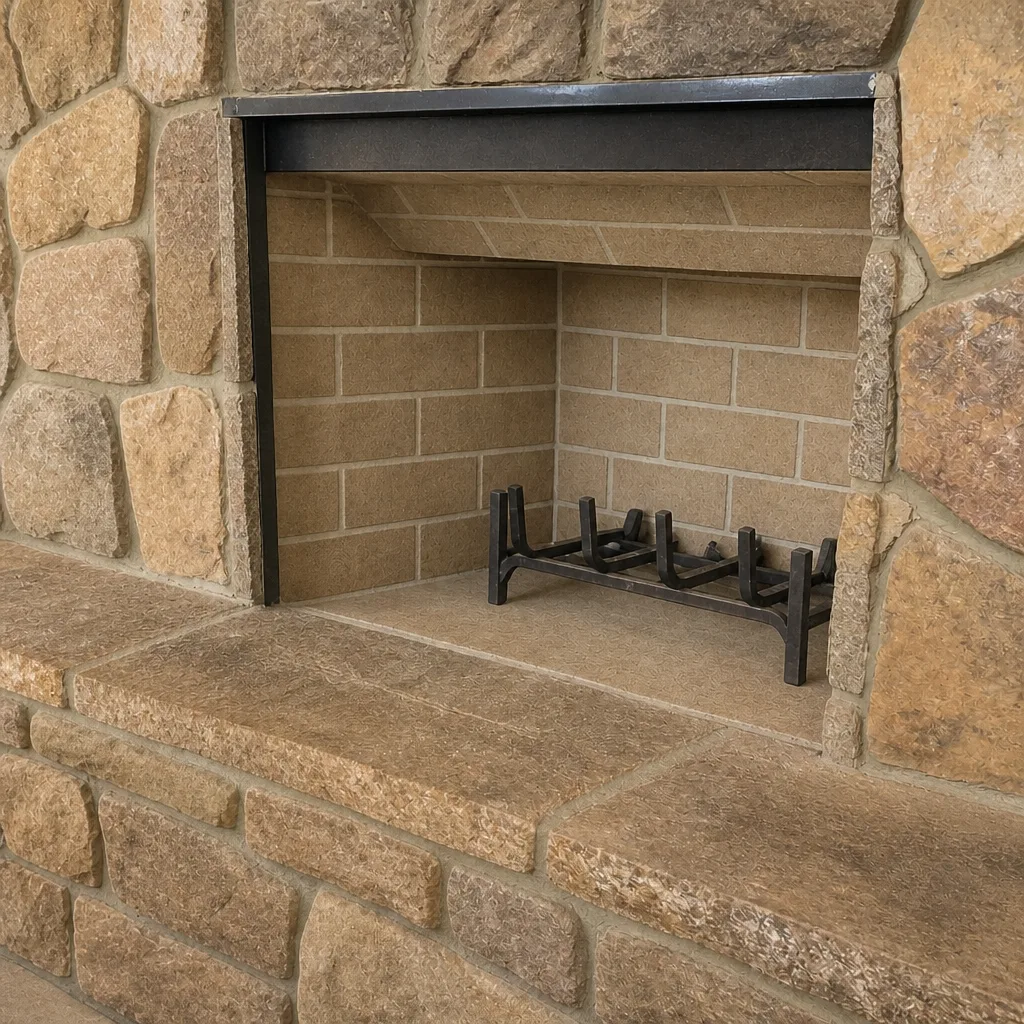
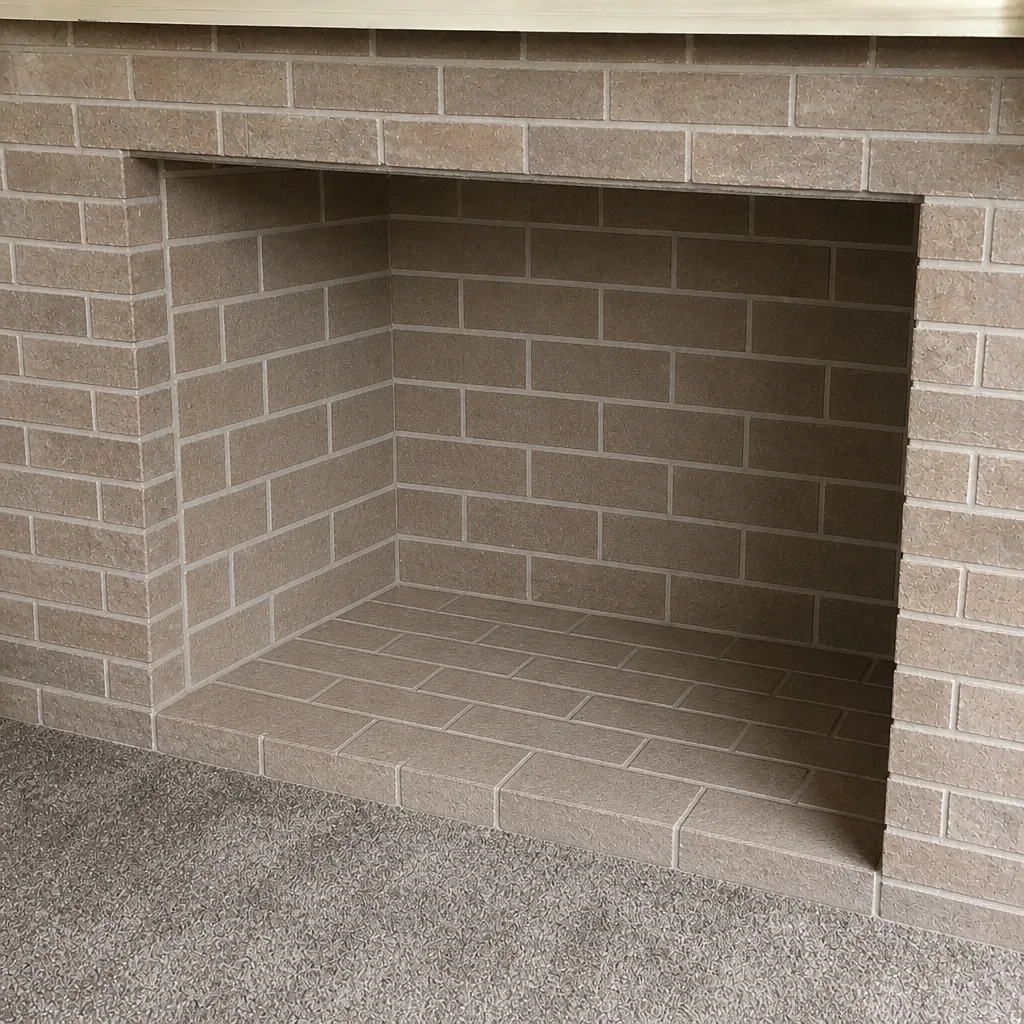
See the difference
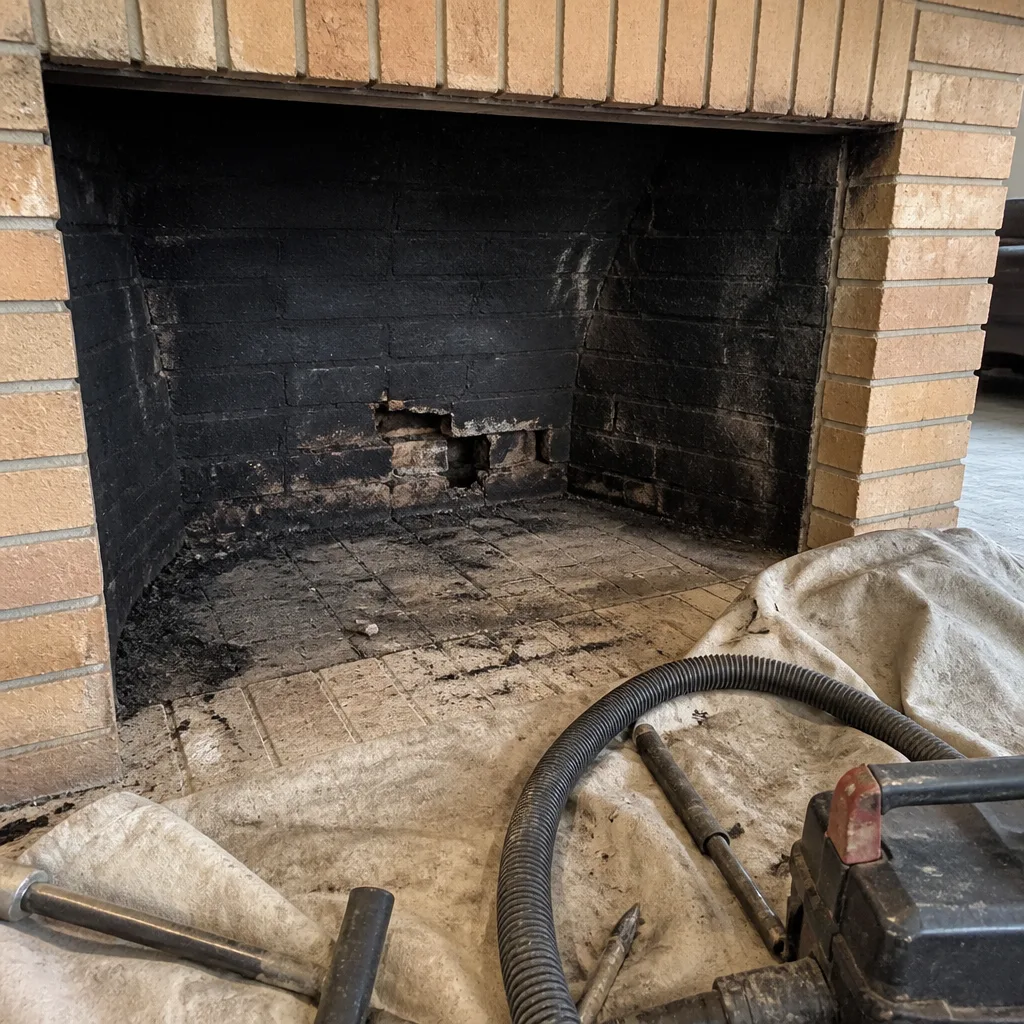 Before
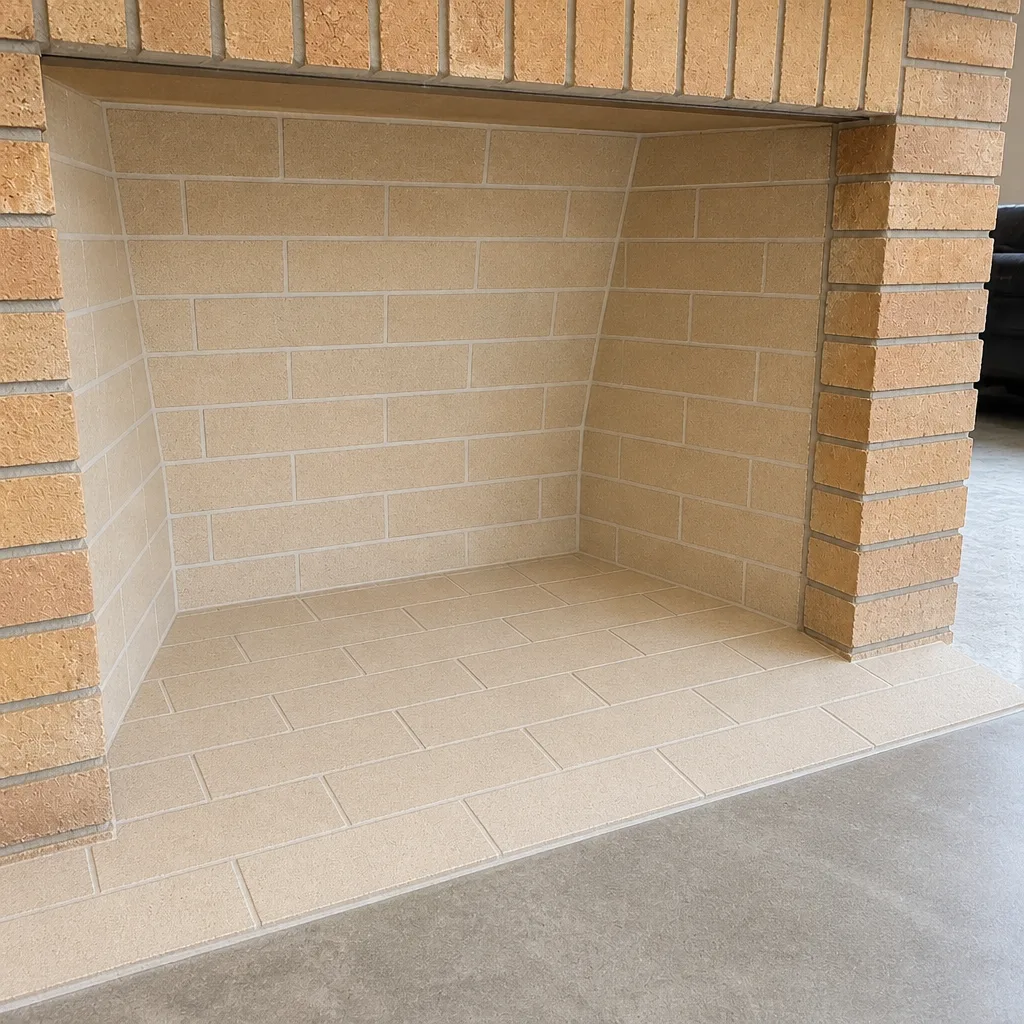 After
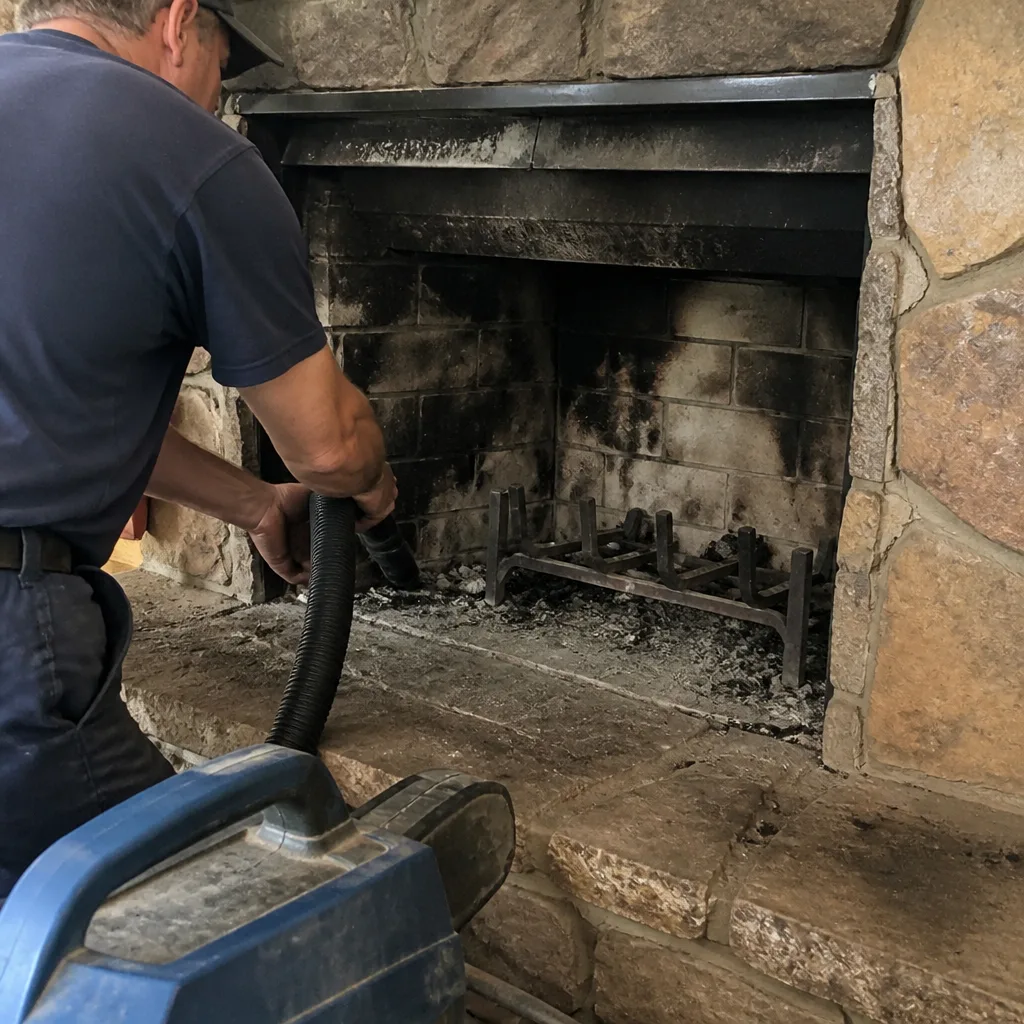 Before
 After
 Before
 After
When to Call a Professional
Call a professional if you’ve seen efflorescence, spalling, or open mortar joints on the exterior; if the damper is rusty or stiff; if there’s a white haze or loose panels in the firebox; if you smell musty, oily, or burning plastic; or if smoke rolls into the room with the damper open. Call before the next fire if any of those showed up in the last few months. Call today if the sign is in the stop-using-it group, like glazed creosote or a loose refractory panel. Chimney Sweep Lehigh Acres offers free estimates in Lehigh Acres. Call (855) 473-9633. We answer 24/7. Fast dispatch from 7am to 7pm, Sunday through Friday.
We’re a Lehigh Acres chimney sweep, so the inspection is done the way this climate demands: exterior first, then firebox, then camera, then a report with the photos included.
Frequently Asked Questions
Once a year if you burn regularly, and once a year even if you don’t, because an idle chimney still takes on rain and animals. A chimney that’s burned a full cord of wood or more in a season should be swept before the next season. Call (855) 473-9633 for an exact recommendation based on your fireplace.
It’s efflorescence, and it means water is moving through the masonry and leaving mineral salts on the surface as it dries. It usually points to a crown or mortar joint problem that’s letting water in. It is not cosmetic, but it’s often a catchable, repair-level issue if you address it early.
The work isn’t dangerous when it’s done by a trained technician with the right containment and safety gear. What’s dangerous is skipping it: glazed creosote in the flue and loose refractory panels in the firebox are real fire hazards. Our technicians have up to 8 years of experience with this kind of work, and the inspection is camera-based so you can see what they see.
An oily or asphalt-like smell means glazed creosote, which is a stop-using-it sign. A burning plastic smell means a foreign object in the flue, which is also a stop-today sign. A musty smell means moisture, which should be scheduled within the month rather than treated as an emergency. If you smell gas and have a gas appliance, leave the area and contact your gas utility first.
No. Weak draft with smoke rolling into the room is the most common sign of a blockage or a liner problem, and it doesn’t fix itself with more kindling. Stop using the fireplace and get the flue inspected. Call (855) 473-9633 for an exact quote on an inspection. Estimates are free.
They’re separate systems, but booking them together is the practical choice. The dryer vent is one of the leading causes of residential fires, and it’s easy to forget because it’s not the fireplace. We offer both as a single visit with one vendor, which saves you scheduling around two different companies.
The Bottom Line
The warning signs that matter most are the quiet ones: white staining on the brick, brick dust at the base, rust on the damper, loose firebox panels, and a draft that’s weaker than it used to be. In Lehigh Acres, those signs show up because of heavy summer rain and long dry stretches that work on masonry year after year. Sort what you see into stop-today signs and schedule-this-month signs. If it’s stop-today, don’t light another fire. If it’s schedule-this-month, get it looked at before the next burn season. And whether you call us or anyone else, ask to see the photos before you approve any repair.
Call (855) 473-9633 for a free estimate. We answer 24/7. Fast dispatch from 7am to 7pm, Sunday through Friday. We work with professional-grade materials from brands like DuraFlex, HeatShield, and Copperfield, and we handle chimney sweeping, chimney repair, and dryer vent cleaning as one company, so a problem found during a sweep can be handled without scheduling a second vendor.
Written by the team at Chimney Sweep Lehigh Acres.