
Last updated November 15, 2026
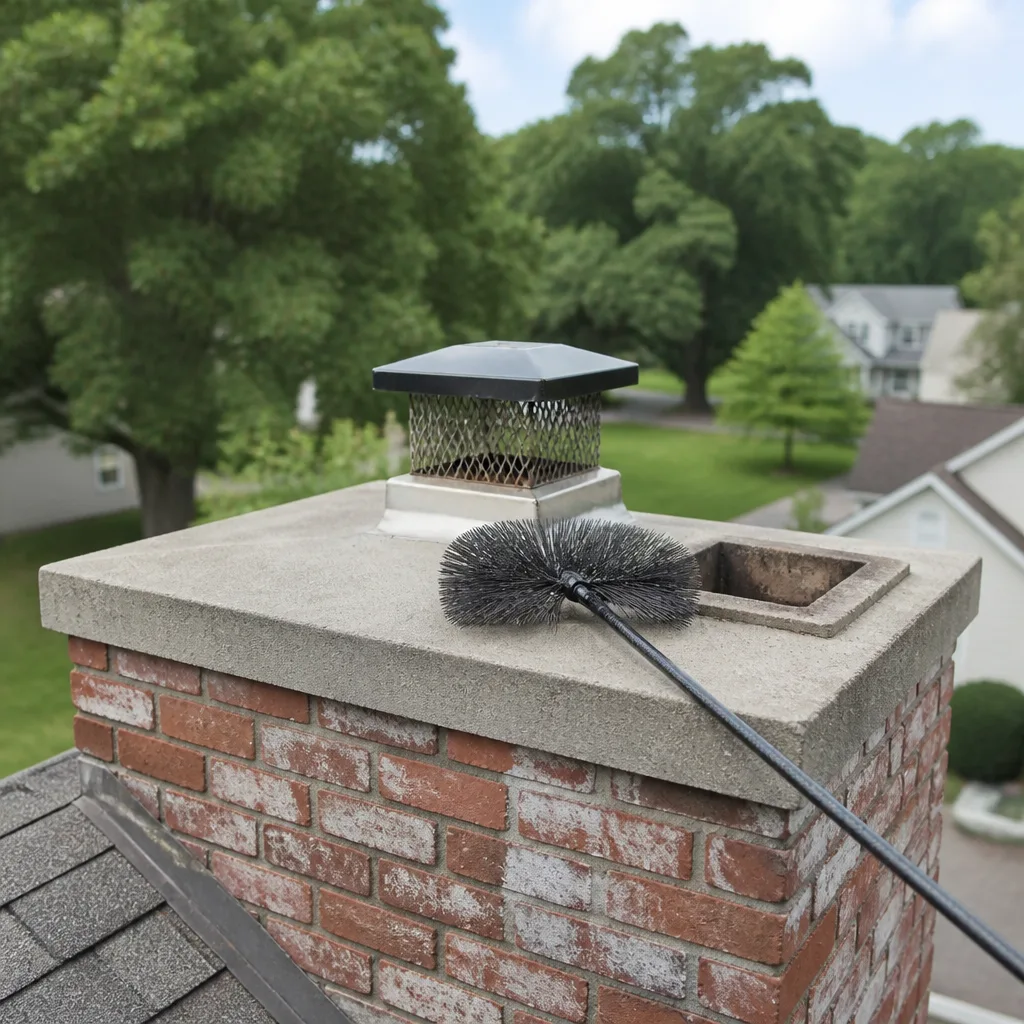 Sweep & inspection
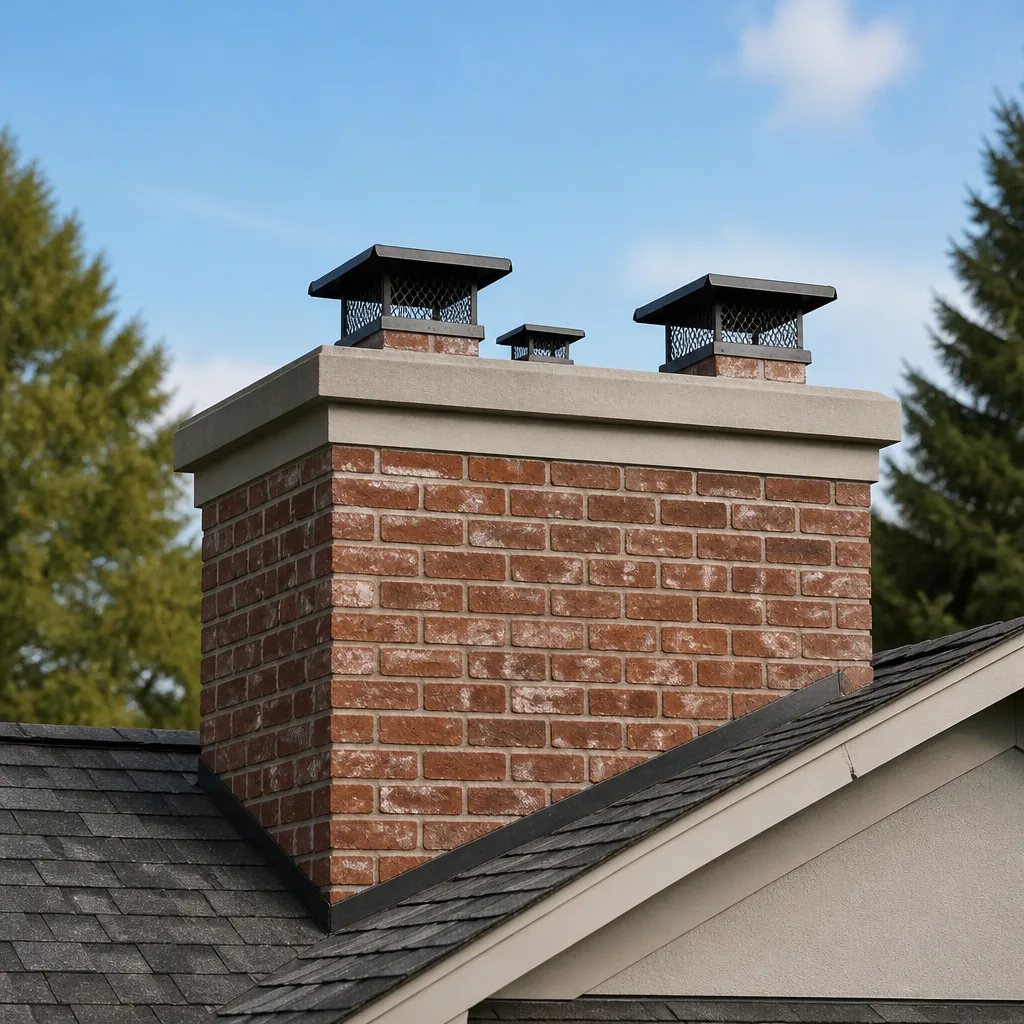 Caps & crowns
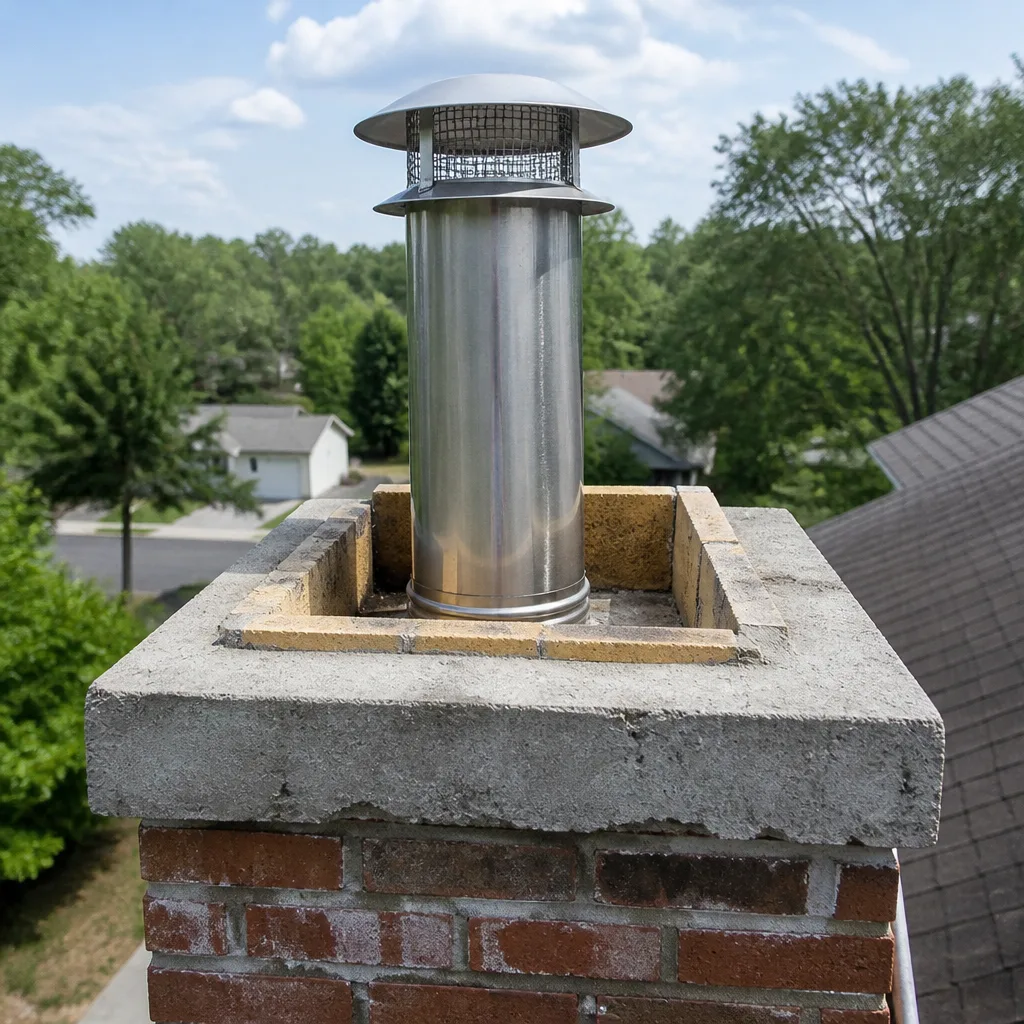 Flue relining
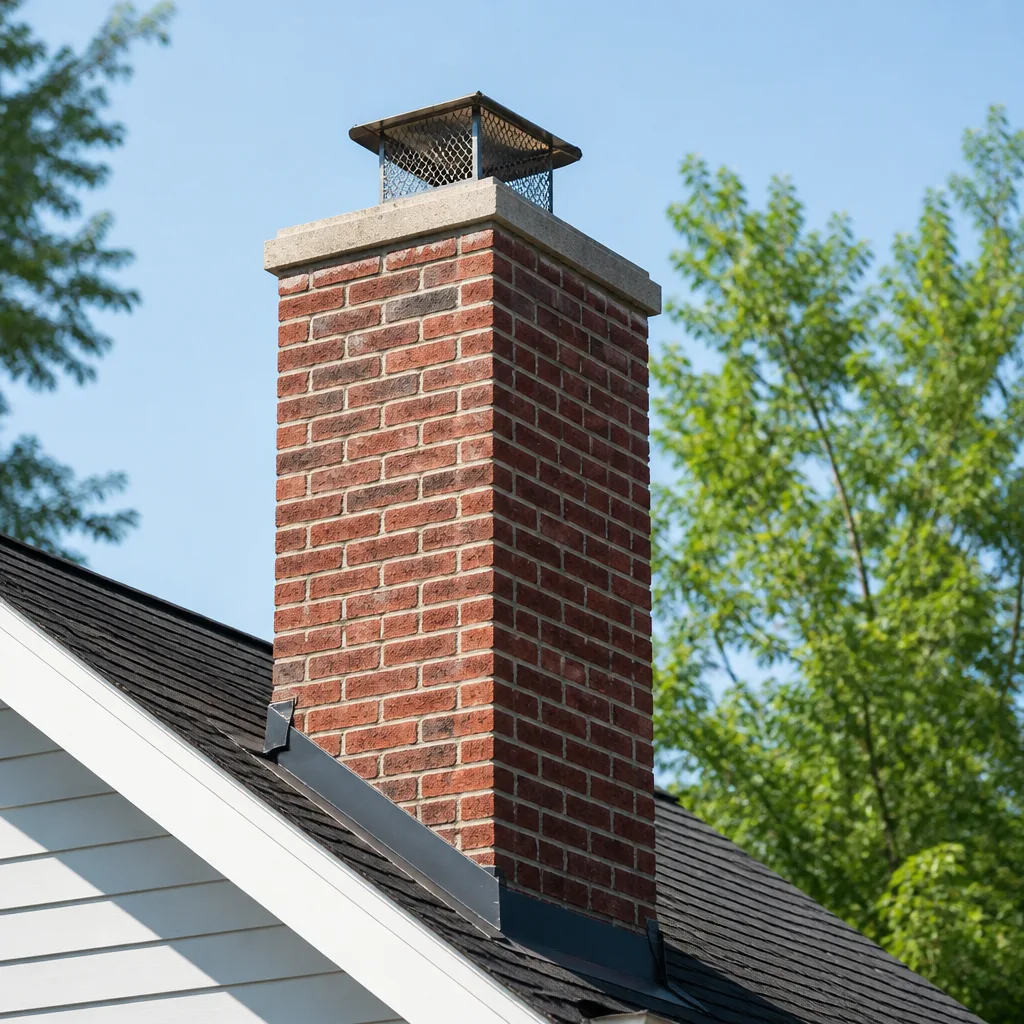 Masonry repair
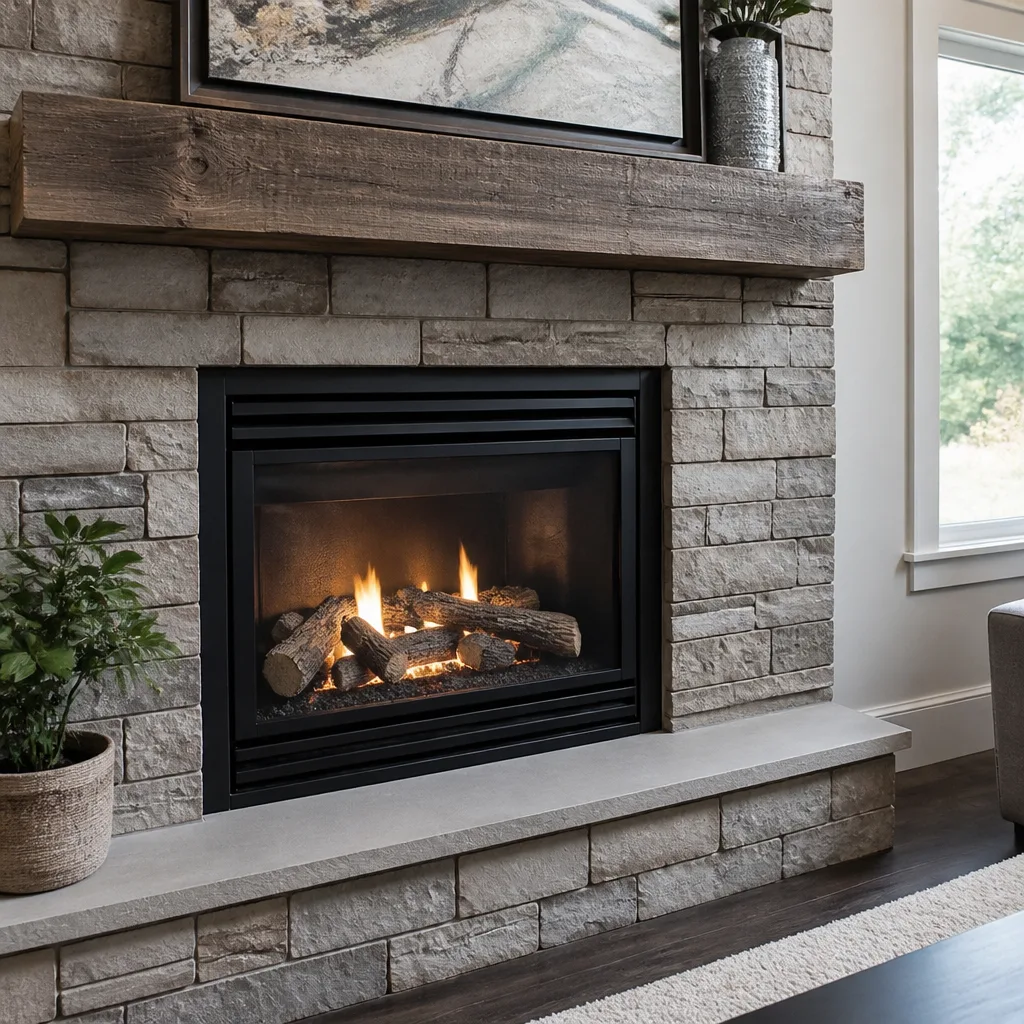 Gas fireplace service
Level 1 sweep and inspection to the NFPA 211 annual standard - flue, crown, cap, and flashing checked and photographed
Chimney sweep logs do not sweep chimneys. They loosen some creosote - which then falls where a brush and vacuum still have to collect it.
Chimney Cleaning Permits, Codes & Inspections in Lehigh Acres, FL: What You Need to Know
Most homeowners assume the permit question only comes up when they build something. With chimneys, it’s the opposite. The cleaning itself needs no paperwork at all, and that’s exactly where people relax, book the sweep, hear that the flue liner is cracked, and let the repair happen without asking who’s filing what. Months or years later, an inspector, a buyer, or an insurance adjuster asks for documentation that doesn’t exist. This guide walks through where the cleaning-to-repair line sits under the Florida Building Code, how Lee County Building Services handles chimney permits, and what a proper inspection report actually gives you. If you own a fireplace in Lehigh Acres, this is the paperwork side of fire safety that rarely gets explained.
Quick Answer
In Lehigh Acres and the rest of Lee County, routine chimney cleaning, inspection, and minor repointing generally do not require a permit. Structural work does: replacing a flue liner, rebuilding a chimney crown, resurfacing a firebox, or altering a factory-built fireplace system almost always requires a permit from Lee County Building Services, and the work must follow the Florida Building Code, including Chapter 10 as it applies to solid-fuel appliances. A legitimate chimney specialist will handle or coordinate that permitting as part of the repair and can provide a written inspection report documenting what was found.
Styles & brands we work with
- Sweep & inspection
- Caps & crowns
- Flue relining
- Masonry repair
- Gas fireplace service
Table of Contents
- Where the Cleaning-to-Repair Permit Line Actually Sits
- How the Florida Building Code Treats Chimneys Differently
- Lee County Building Services: Who to Call and What’s Involved
- Inspection Levels and What a Level 2 Report Provides
- Why Insurers Ask for Inspection Documentation
- What Unpermitted Chimney Work Costs You at Resale
- How to Ask Your Contractor About Permitting
- Scheduling the Sweep and the Repair Together
Where the Cleaning-to-Repair Permit Line Actually Sits
The simplest way to think about it: cleaning removes what’s in the chimney, and repair changes what the chimney is. Removal usually doesn’t require a permit. Changing the structure, the flue path, or the fire-rated assembly does. That distinction is where most confusion starts, because a sweep can uncover a problem that instantly moves the job from one column into the other.
Here’s how the split generally falls in Lehigh Acres and across Florida:
- Usually permit-exempt: sweeping the flue, removing creosote and soot, a visual inspection, camera inspection, replacing a chimney cap, minor mortar repointing on the crown or exterior joints, and installing or swapping a standard rain cap from a known-spec manufacturer.
- Usually permit-required: relining a flue, installing a new stainless liner into a masonry chimney, firebox rebuilds or resurfacing, crown replacement, removing or altering a factory-built fireplace and its venting, and any change to the clearances or the termination height.
The confusing middle ground is the liner. A homeowner hears “your liner is compromised,” and the natural thought is that it’s a repair, not construction. But a liner replacement is a structural change to the venting system. It has to meet a specific UL listing and the manufacturer’s installation instructions, and in Lee County that typically means a permit and an inspection before the chimney is returned to service.
We’ve seen this play out in older Lehigh Acres homes where the original clay tile liner has spalled or cracked after years of heat cycling. The sweep is the easy part. The decision that follows is where a homeowner needs to slow down and ask who is pulling the permit.
How the Florida Building Code Treats Chimneys Differently
The Florida Building Code handles chimneys in a way many homeowners don’t expect, because it draws a hard line between masonry chimneys and factory-built systems. Both fall under the code, but the requirements and the installation instructions they must follow are different, and mixing up which one you own leads to the wrong assumptions about what’s allowed.
Chapter 10 of the Florida Building Code covers chimneys and vents, and its provisions apply to solid-fuel appliances such as wood-burning fireplaces and wood stoves. The code sets requirements for clearances to combustible materials, flue sizing, termination height above the roof, and the materials that may be used in the venting system. A factory-built fireplace is a listed appliance, and its venting must be installed exactly as the manufacturer specifies, which is why parts from a known-spec brand matter. Gelco and Olympia Chimney venting components are made to those specifications; generic substitutes often are not, and an inspector can tell the difference.
Masonry Systems
A masonry chimney with a clay tile liner is governed by the code’s masonry provisions, but when the clay tile fails, the common fix is a listed stainless liner system. That work has to satisfy both the code and the liner manufacturer’s instructions, and it’s exactly the kind of job that draws a permit review. This is where a HeatShield resurfacing system comes into play for certain liner conditions; it’s a repair-grade material designed for chimney flue work, not a generic coating, and its use depends on what the inspection finds.
For a Lehigh Acres homeowner, the practical takeaway is this: know whether you have a masonry chimney or a factory-built fireplace before you agree to any repair scope. The answer determines which code provisions apply, and the contractor should be able to tell you plainly.
Lee County Building Services: Who to Call and What’s Involved
Permitting for chimney work in Lehigh Acres runs through Lee County Building Services. That’s the office that issues the permit and performs the inspection, and it’s the office a buyer’s inspector will check when they look up whether work on the property was permitted. You don’t have to navigate it alone, but you should know it exists and understand what a legitimate permit process looks like.
For a liner replacement or firebox rebuild, the process generally follows these steps:
- Scope of work in writing. The contractor documents what’s being replaced, with what material, and to what standard. This is the basis for the permit application.
- Permit application filed with Lee County Building Services. The application identifies the property, the scope, and the contractor. In most cases the licensed contractor files it.
- Permit issued, work performed. The liner or firebox work is completed to the code and the manufacturer’s instructions.
- Inspection by the county. An inspector verifies the work before the permit is closed out.
- Permit closed and documentation retained. The homeowner keeps the closed permit and the inspection report for future resale or insurance needs.
The exact forms and fees depend on the scope and are set by the county, so the right move is to ask the contractor which permit applies and confirm it directly with Lee County Building Services if you have any doubt. A reputable chimney specialist expects that call. A cut-rate outfit flinches at it.
It’s worth saying plainly: we can handle the sweep and the repair documentation under one roof, but the permitting authority is the county, and the county’s requirements control. Our job is to know what’s required and to make sure the work is done and documented correctly. You can see the full range of what we handle on our Chimney Sweep Lehigh Acres page.
Inspection Levels and What a Level 2 Report Provides
Chimney inspections follow recognized levels, and knowing which one you’re getting matters when the report is going to be read by someone other than you, such as an insurance adjuster or a buyer’s inspector. A basic sweep with a visual check is not the same document as a Level 2 inspection, and the difference shows up in writing.
- Level 1: A visual inspection of readily accessible portions of the chimney and venting during a routine sweep. Appropriate when the system is unchanged and in normal service.
- Level 2: A more thorough inspection that includes accessible areas of the attic, crawlspace, and other concealed spaces, often with a camera. It’s the level typically called for after a chimney fire, after an appliance change, at a real estate transaction, or when an insurer requests documentation.
- Level 3: Includes the Level 2 scope plus access to concealed areas that require removing parts of the structure. Rare and used when a serious hazard is suspected.
What the Report Actually Gives You
A Level 2 inspection report documents conditions with photos and describes the flue, the liner, the firebox, the crown, and the venting path. It creates a written record. In a Lehigh Acres home, that record is what an insurer or a buyer’s inspector will ask for, and it’s what a contractor needs to write an accurate repair scope. Without it, everyone is guessing.
We offer camera inspection and photo documentation as part of the work so you can see what we see. Nothing gets recommended that isn’t shown in the photos, and if a problem can safely wait, we say so in writing.
Why Insurers Ask for Inspection Documentation
After a chimney-related claim, insurers increasingly want to know what condition the chimney was in before the loss. A written inspection report answers that question; a verbal “it looked fine” does not. This is one of the quieter reasons a sweep with documentation is worth having even when nothing seems wrong.
The National Fire Protection Association links chimney and venting problems to a meaningful share of residential fires each year, and insurers know it. When a claim involves a fireplace, a wood stove, or a dryer vent, the adjuster’s first question is often about maintenance history and the most recent inspection. If you can produce a dated report from a qualified inspector, the conversation goes very differently than if you can’t.
We can work with your insurer and provide the inspection documentation they request. We don’t control their decisions, and we won’t promise a particular outcome, but we make sure the record exists and is accurate. That’s the part we can do.
What Unpermitted Chimney Work Costs You at Resale
A homeowner can pay a contractor to install a new liner, get a working chimney, and still end up with a problem, because the work was never permitted and never inspected. It surfaces at the worst possible time: during a sale, when a buyer’s inspector flags unpermitted work and the closing gets complicated.
The complications tend to arrive in a predictable order:
- The buyer’s inspector notices. An unpermitted liner or firebox rebuild shows up in the report, and the buyer wants it resolved before closing.
- The county gets involved. The seller may have to pursue a permit after the fact, which can involve opening walls or parts of the chimney to allow inspection, and paying fees and possibly penalties.
- The timeline slips. What could have been a routine closing becomes a negotiation with deadlines attached.
- The value drops or the deal changes. In some cases the buyer walks, or the price is renegotiated to account for the risk.
The fix is simple and it happens up front. Before any repair that alters the chimney structure or venting, confirm with your contractor that a permit will be pulled and an inspection will happen. If the answer is vague, that’s your signal. The cost of doing it right is small compared to the cost of discovering it wasn’t done at all.
How to Ask Your Contractor About Permitting
The difference between a legitimate chimney specialist and a cut-rate outfit shows up in how they answer a few direct questions about permitting. Ask them before the work is scheduled, not after.
- “Is this job permit-exempt under Lee County rules, or does it require a permit?” A specialist knows the answer for a sweep, a liner, a crown, and a firebox, and will tell you which category your job falls into.
- “Who files the permit, and will you provide the closed permit and inspection documentation?” The answer should be clear. Vague answers are a warning sign.
- “What materials are specified for this system?” A professional names the products, such as a DuraFlex liner system, HeatShield resurfacing, or Gelco venting components, and explains why they meet the code and the manufacturer’s instructions.
- “Will I get a written inspection report with photos?” This is the documentation an insurer or a buyer will ask for later.
- “If you find a problem during the sweep, what happens?” The answer should be: we show you the photos, explain what’s required, say what can wait, and give you a written estimate before any repair.
What a Cut-Rate Outfit Avoids
An outfit that avoids permitting usually does so because pulling it adds time and scrutiny. They may tell you the county doesn’t require a permit for a liner, or that the paperwork is unnecessary because the work is “just a repair.” Both are red flags when the scope involves a structural change. A chimney specialist treats permitting as part of the job, not an obstacle to it.
We stock and install products from known-spec manufacturers, including Gelco and Famco venting and cap components and Copperfield products, because the manufacturer’s instructions are what the code says to follow. That’s not a sales line. It’s the difference between a repair that passes an inspection and one that creates a problem you’ll inherit.
Scheduling the Sweep and the Repair Together
Because a sweep often uncovers the repair, the most efficient approach is to have one specialist handle both. A sweep with a camera inspection tells you what’s actually in the flue. If it reveals a liner issue, a crown problem, or a firebox that needs resurfacing, the same specialist can write the repair scope, pull the permit, and complete the work. That avoids the situation where a sweep-only company finds a problem, hands you an estimate, and leaves you to find a second contractor to do the structural work.
On our chimney sweep page, the process runs from the sweep through the camera inspection to the written report. From there, if repair is needed, it’s handled under the same roof, with professional-grade materials and county permitting where required. If the report shows the chimney is in good shape, you get that in writing and nothing else happens.
Dryer vents belong in the same conversation. A dryer duct is part of the venting system, it’s a leading cause of residential fires, and it needs cleaning on a regular schedule just like a chimney. When we’re in a Lehigh Acres home for a sweep, it’s the right time to check the dryer vent as well. Our dryer vent cleaning service covers that side of the system. If you want the full picture of what we do in the area, see our Lehigh Acres service page.
Climate and the Seasonal Rhythm
Lehigh Acres winters are mild, but they’re still the season when the fireplace gets used, and the rainy season keeps many homeowners indoors for months on end. That means the flue often sits idle for long stretches while moisture moves through the chimney. The practical rhythm is to schedule a sweep and inspection before the first cool snap, so any repair that needs a permit and an inspection can be completed before you want a fire. Waiting until the first cold week means competing with everyone else for scheduling and running the risk of discovering a liner problem you can’t resolve quickly.
Common Mistakes to Avoid
- Assuming “repair” means “no permit.” A liner replacement or firebox rebuild is a structural change and typically requires a permit in Lee County. Treating it as routine repair is the mistake that causes problems at closing.
- Accepting a verbal report. If the problem isn’t documented with photos and a written scope, you have no record for an insurer or a buyer. Ask for the report before the repair is scheduled.
- Letting a sweep-only company hand you an estimate and leave. You then have to find a second contractor for the structural work and a second party to pull the permit. One specialist for both is cleaner.
- Mixing factory-built and masonry instructions. A factory-built fireplace must be vented exactly as its manufacturer specifies. Generic or aftermarket parts from unknown sources can fail an inspection, and the homeowner often doesn’t find out until later.
- Skipping the dryer vent because the chimney “looks fine.” The dryer duct is part of the same fire-safety system and needs attention on its own schedule. It’s a leading cause of residential fires.
- Ignoring the inspection report after a claim. If your insurer asks for documentation and you don’t have it, the conversation gets harder. Keep the report with your home records.
- Believing the work is done once the fireplace draws well. A working draft doesn’t tell you the liner is intact. Only a camera inspection does.
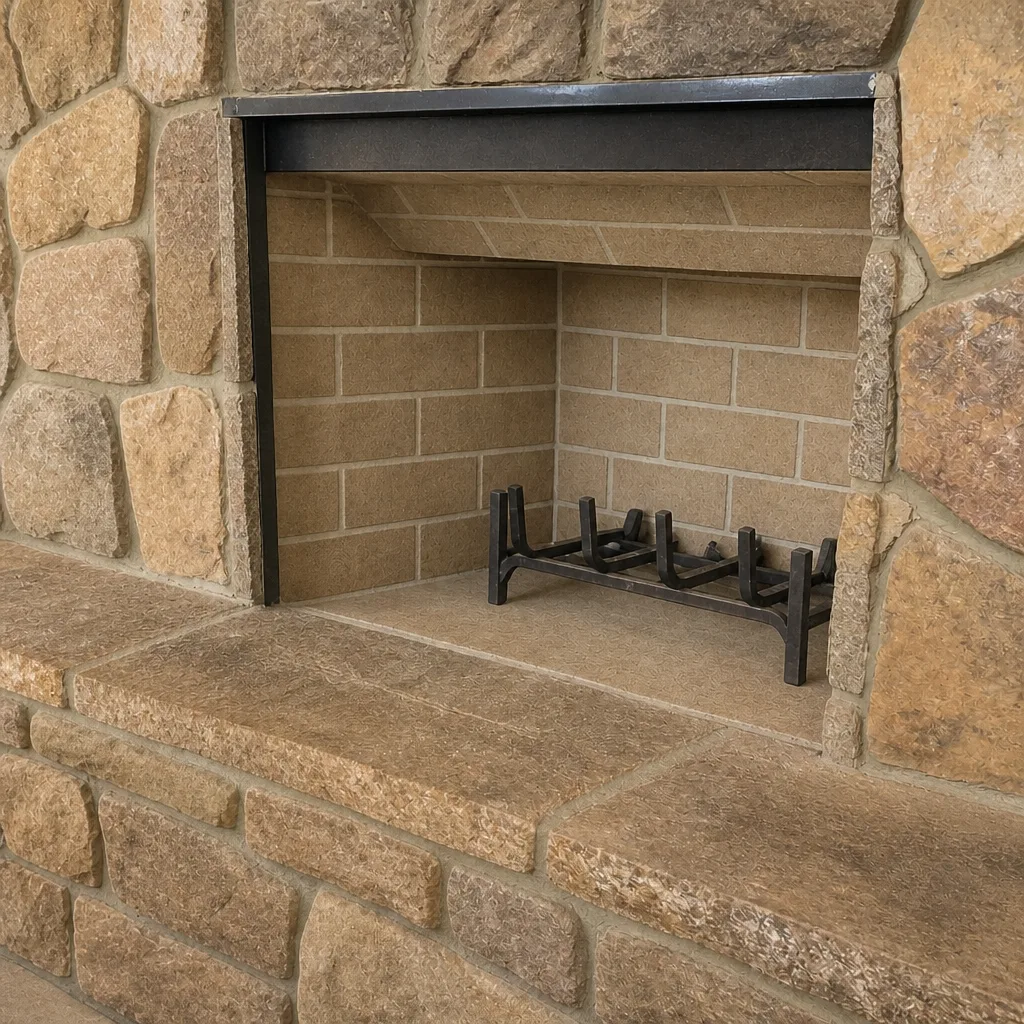
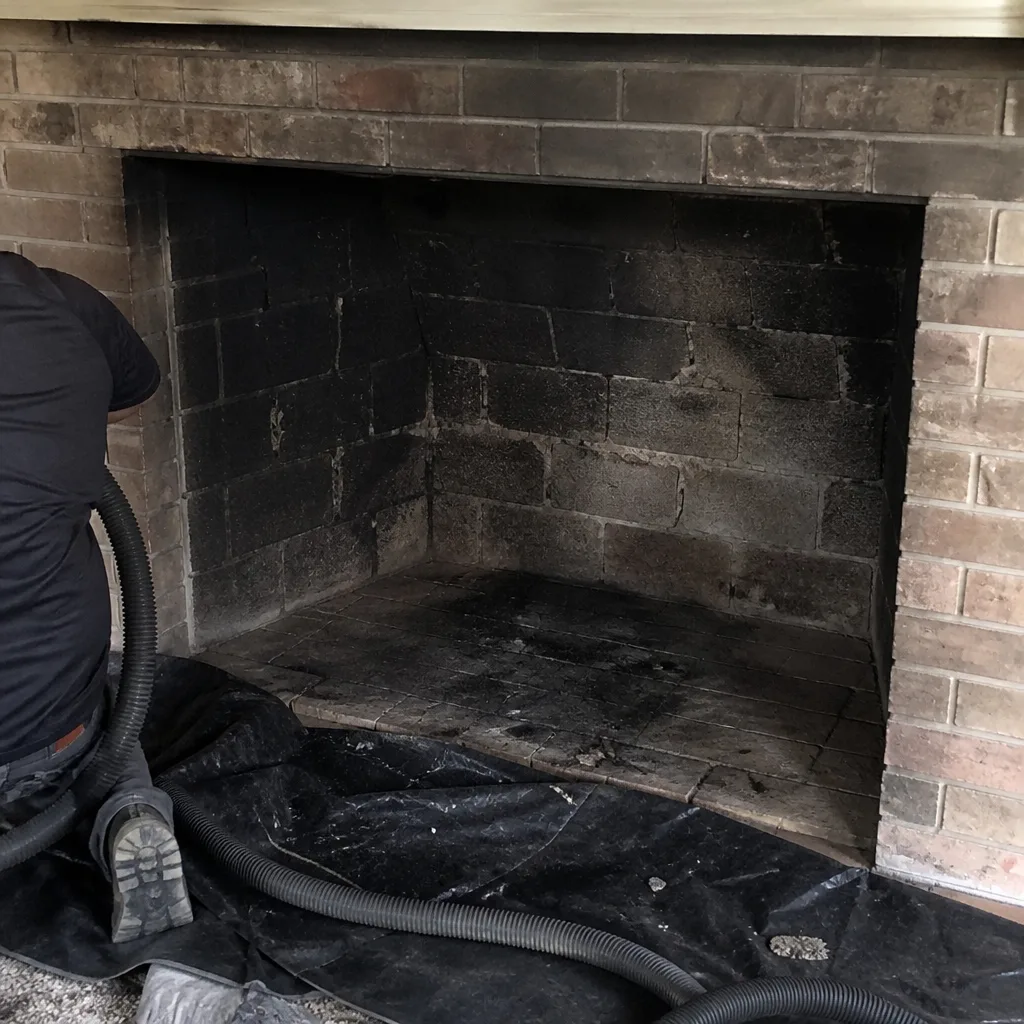
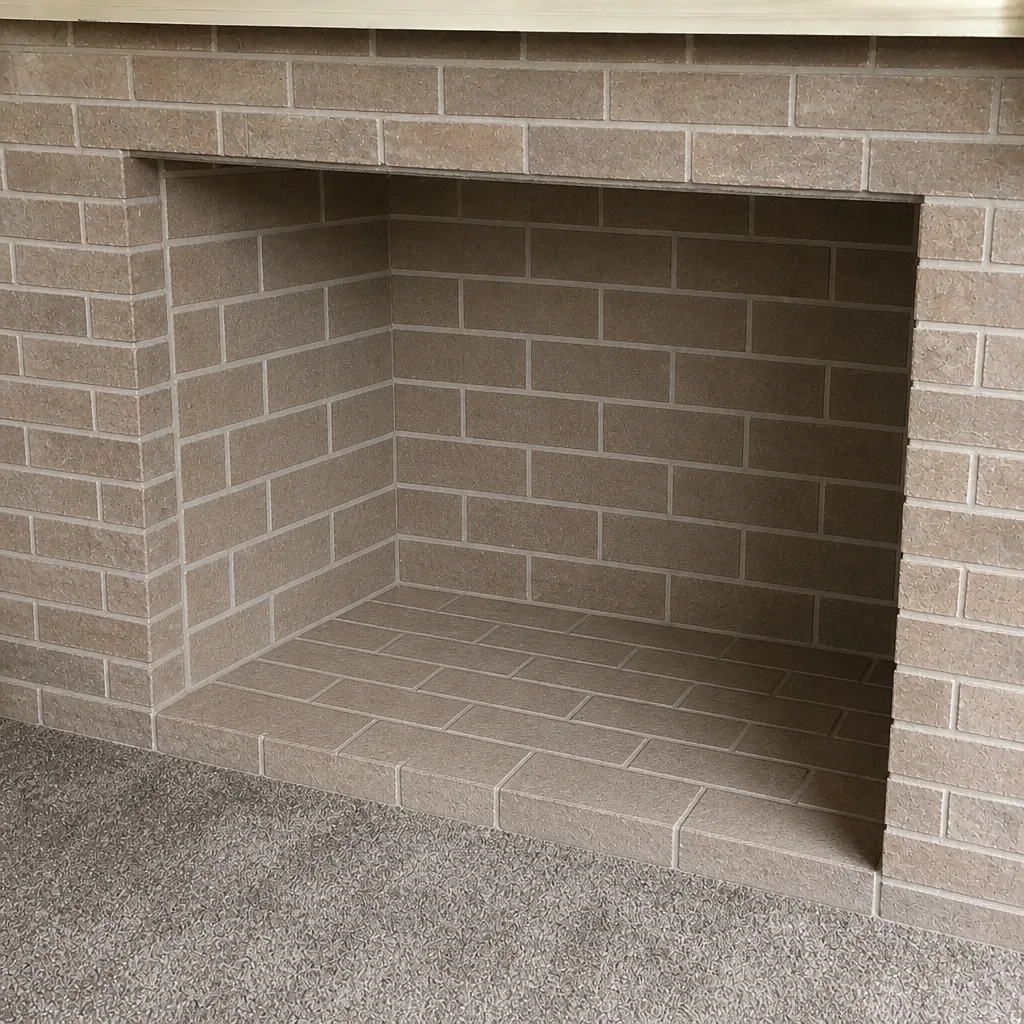
See the difference
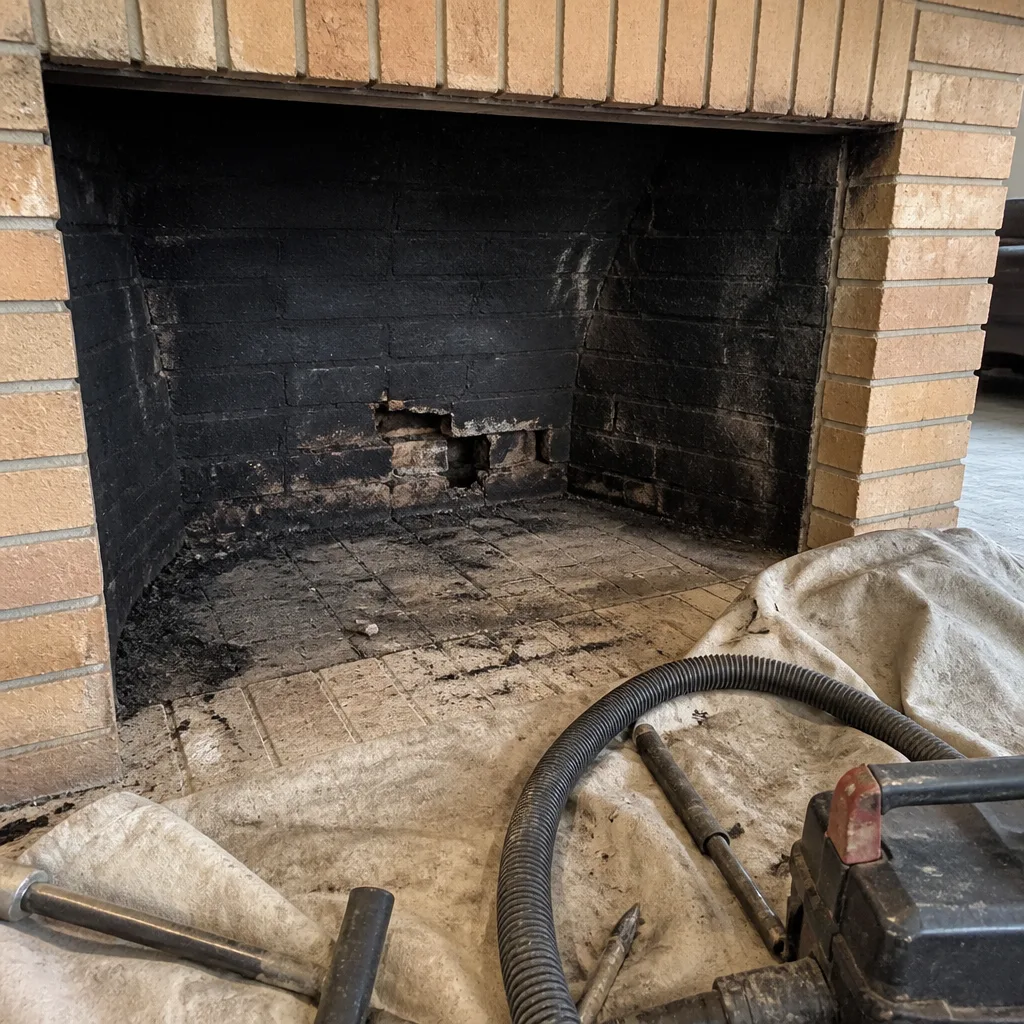 Before
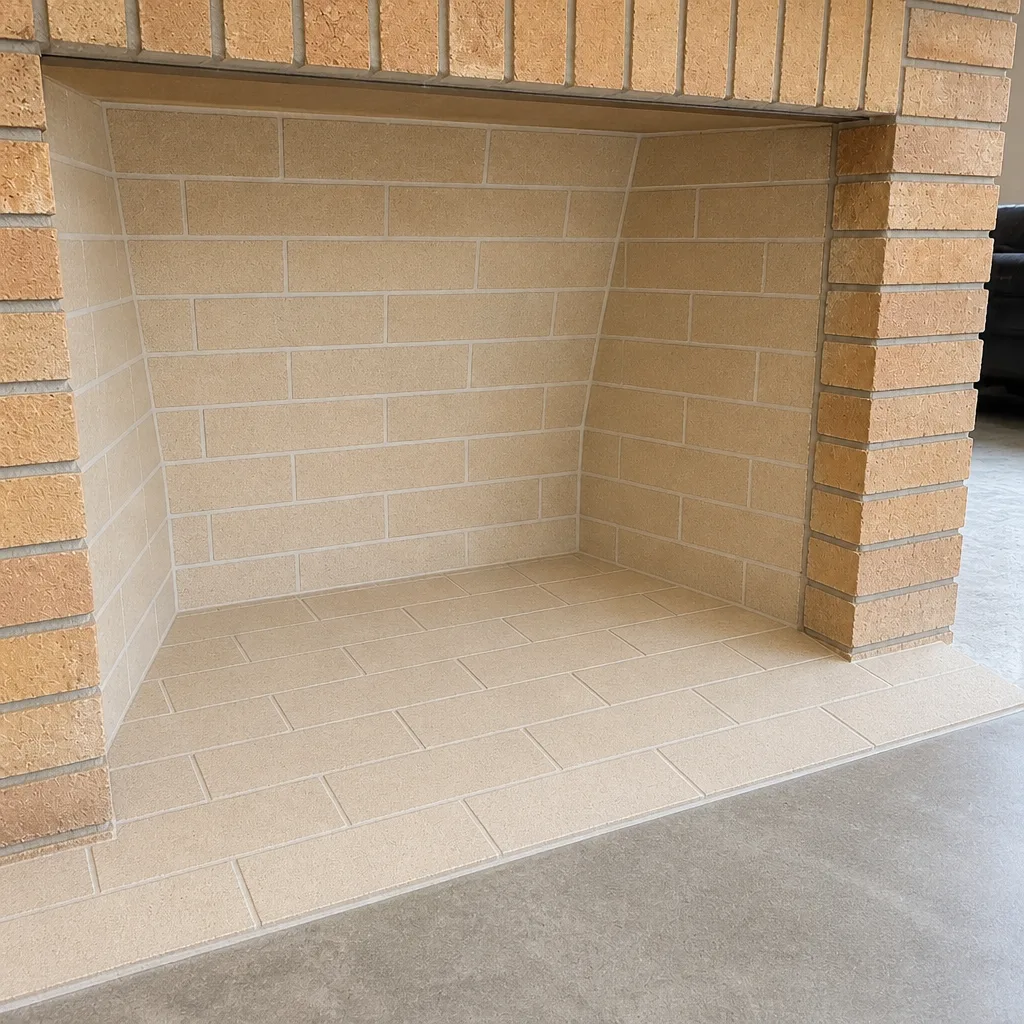 After
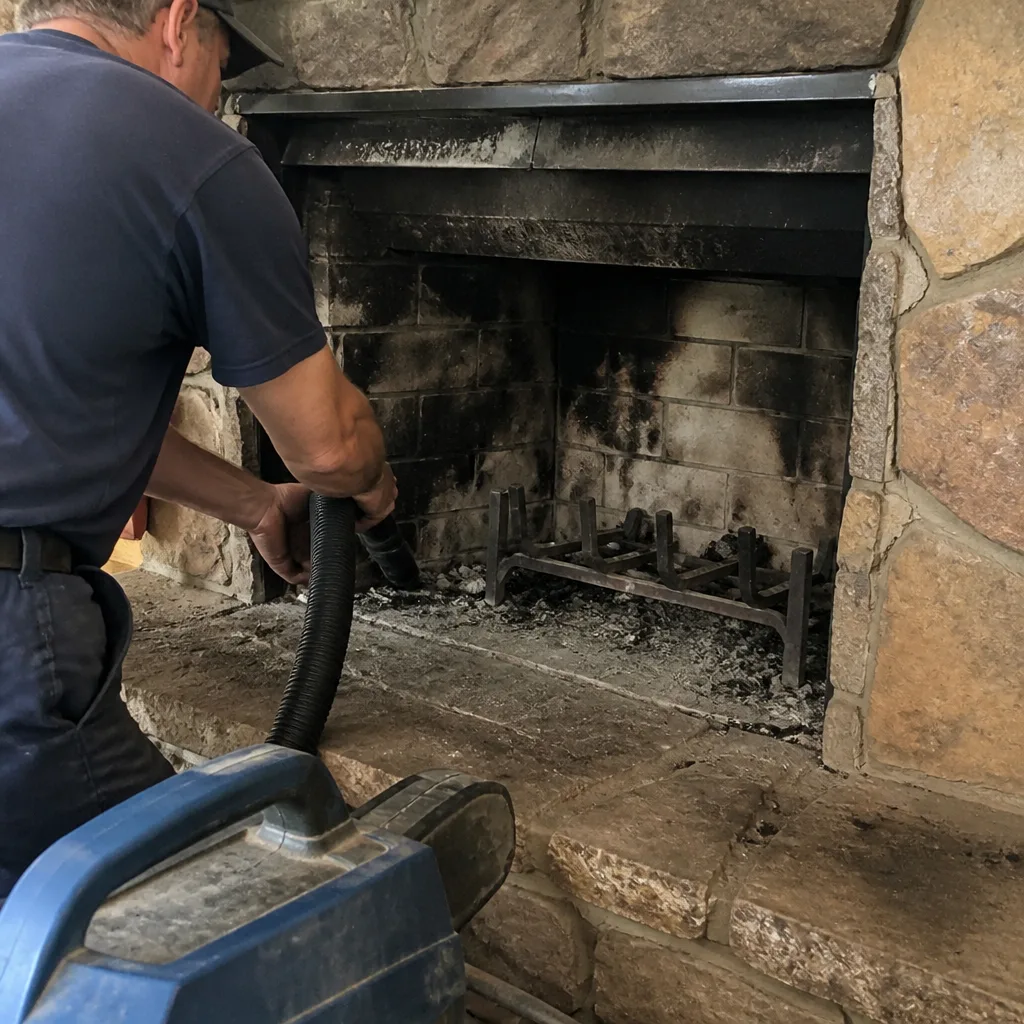 Before
 After
 Before
 After
When to Call a Professional
Call a professional when you smell smoke inside the house after a fire, when you notice dark staining on the chimney exterior, when a chimney fire has occurred regardless of apparent damage, or when you’re buying or selling a home and need a Level 2 inspection for the record. Call when a contractor has told you a liner replacement is needed and you want a second opinion in writing, and call when it’s simply been a while since the flue was cleaned and inspected. Chimney Sweep Lehigh Acres offers free estimates in Lehigh Acres. Call (855) 473-9633. We answer 24/7, with fast dispatch from 7am to 7pm, Sunday through Friday. Our technicians have up to 8 years of experience, and we want you to see what we see before you spend a dollar on repair.
Safety note: If you suspect a chimney fire, a blocked flue, or a carbon monoxide problem, stop using the fireplace and call. Do not attempt to inspect the interior of a flue yourself, and do not work on a firebox or liner without a trained professional. The components involved are fire-rated systems, and getting them wrong creates a hazard that isn’t visible from the room.
Frequently Asked Questions
No. Routine chimney cleaning in Lehigh Acres and across Lee County does not require a permit, and neither does a visual or camera inspection or minor repointing. A permit becomes necessary when the work changes the chimney structure or venting, such as a liner replacement or a firebox rebuild. Call (855) 473-9633 for a free estimate and a clear answer on which category your job falls into.
In most cases, yes. Replacing a flue liner is a structural change to the venting system, and the work must follow the Florida Building Code and the liner manufacturer’s instructions. That typically means a permit through Lee County Building Services and an inspection before the chimney is returned to service. Ask your contractor who files the permit and confirm the closed permit and inspection report are provided to you. Call (855) 473-9633 for a free estimate.
A Level 1 inspection is a visual check of readily accessible parts of the chimney during a routine sweep. A Level 2 inspection is more thorough, includes accessible concealed spaces and often a camera, and is the level typically requested after a chimney fire, at a real estate transaction, or when an insurer asks for documentation. If you need a report for insurance or a sale, ask specifically for a Level 2. Call (855) 473-9633 for a free estimate.
Unpermitted chimney work can surface during a home sale, when a buyer’s inspector flags it and the closing gets complicated. The seller may have to pursue a permit after the fact, which can involve opening parts of the chimney for inspection, paying fees, and delays. In some cases the buyer walks or renegotiates the price. Getting the permit up front avoids all of it. Call (855) 473-9633 for a free estimate.
Often, yes, for repairs that don’t require a permit. Cleaning and minor repairs can frequently be handled the same day the issue is found. Work that requires a county permit through Lee County Building Services depends on the permit timeline, so it’s scheduled around that. Call (855) 473-9633 and we’ll tell you what’s realistic for your job. We answer 24/7, with fast dispatch from 7am to 7pm, Sunday through Friday.
It’s strongly recommended and often requested by buyers. A Level 2 inspection gives you a written, photo-documented report that answers the buyer’s inspector’s questions before they become a closing problem. If you’ve had repair work done, keep the closed permit and inspection report with your home records. Call (855) 473-9633 for a free estimate.
The Bottom Line
The permit question with chimneys comes down to one distinction: cleaning is paperwork-free, and structural repair usually isn’t. Sweeping, visual inspection, and minor repointing don’t need a permit in Lehigh Acres. Liner replacement, firebox resurfacing, crown rebuilding, and changes to a factory-built system do, and that work should be permitted through Lee County Building Services and inspected before the chimney goes back into service. The documentation that comes with it, including a Level 2 inspection report with photos, is what protects you at resale and after an insurance claim. A chimney specialist handles the sweep, the repair, and the permitting as one job. A cut-rate outfit avoids the permit and leaves you to discover it later.
Chimney Sweep Lehigh Acres handles cleaning, structural repair, and dryer vent cleaning under one roof, using professional-grade materials from brands like DuraFlex, HeatShield, Gelco, Olympia Chimney, Famco, and Copperfield. We name what we install, and nothing gets recommended without camera evidence you can see yourself. If you’re in Lehigh Acres and want to know where your chimney stands, call (855) 473-9633 for a free estimate. We answer 24/7, with fast dispatch from 7am to 7pm, Sunday through Friday.
Written by the team at Chimney Sweep Lehigh Acres.