
Last updated November 15, 2026
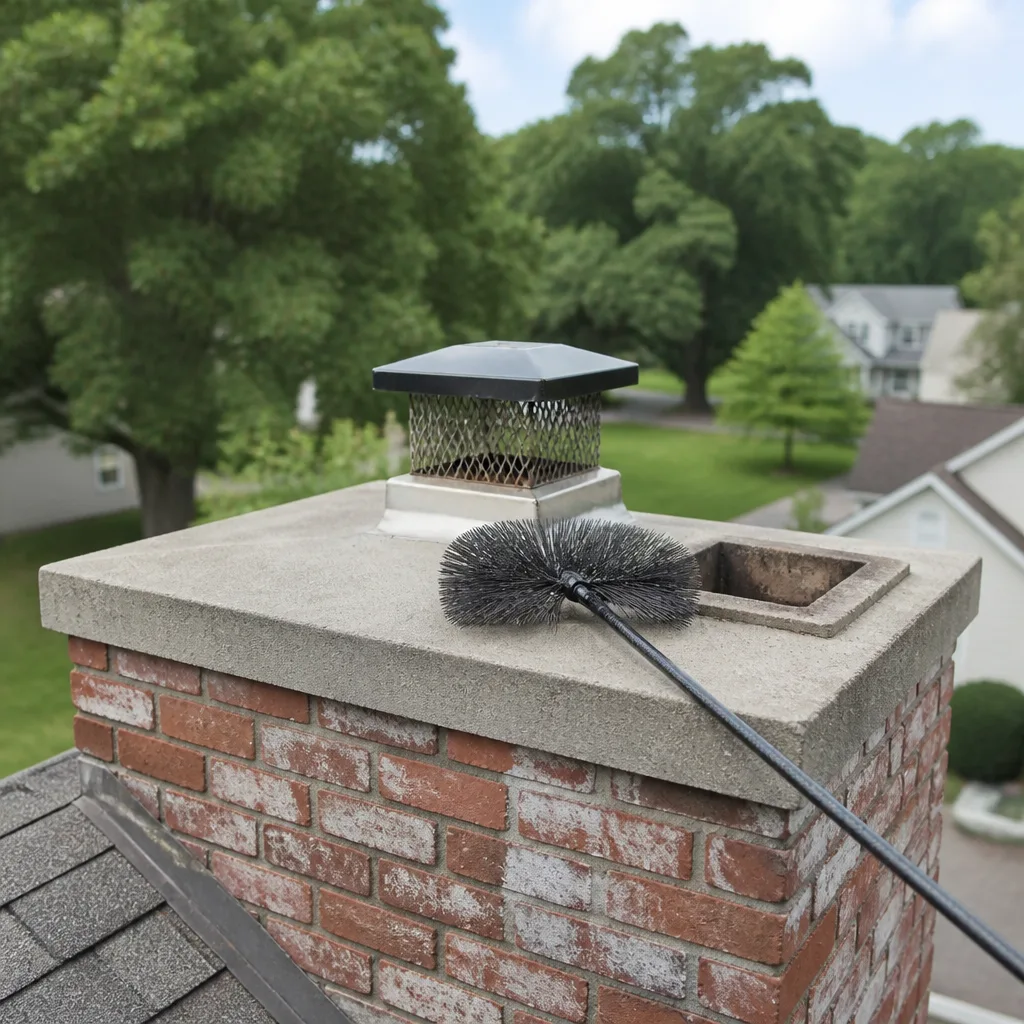 Sweep & inspection
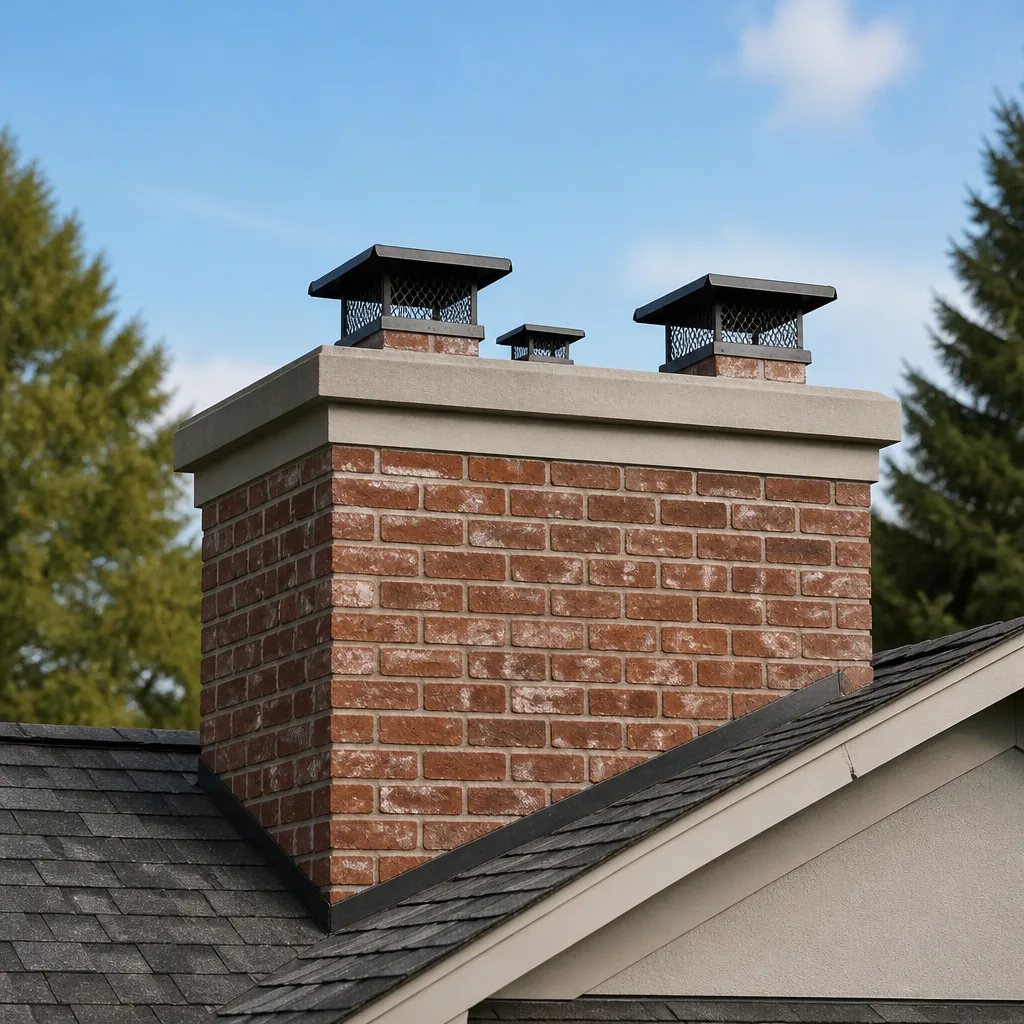 Caps & crowns
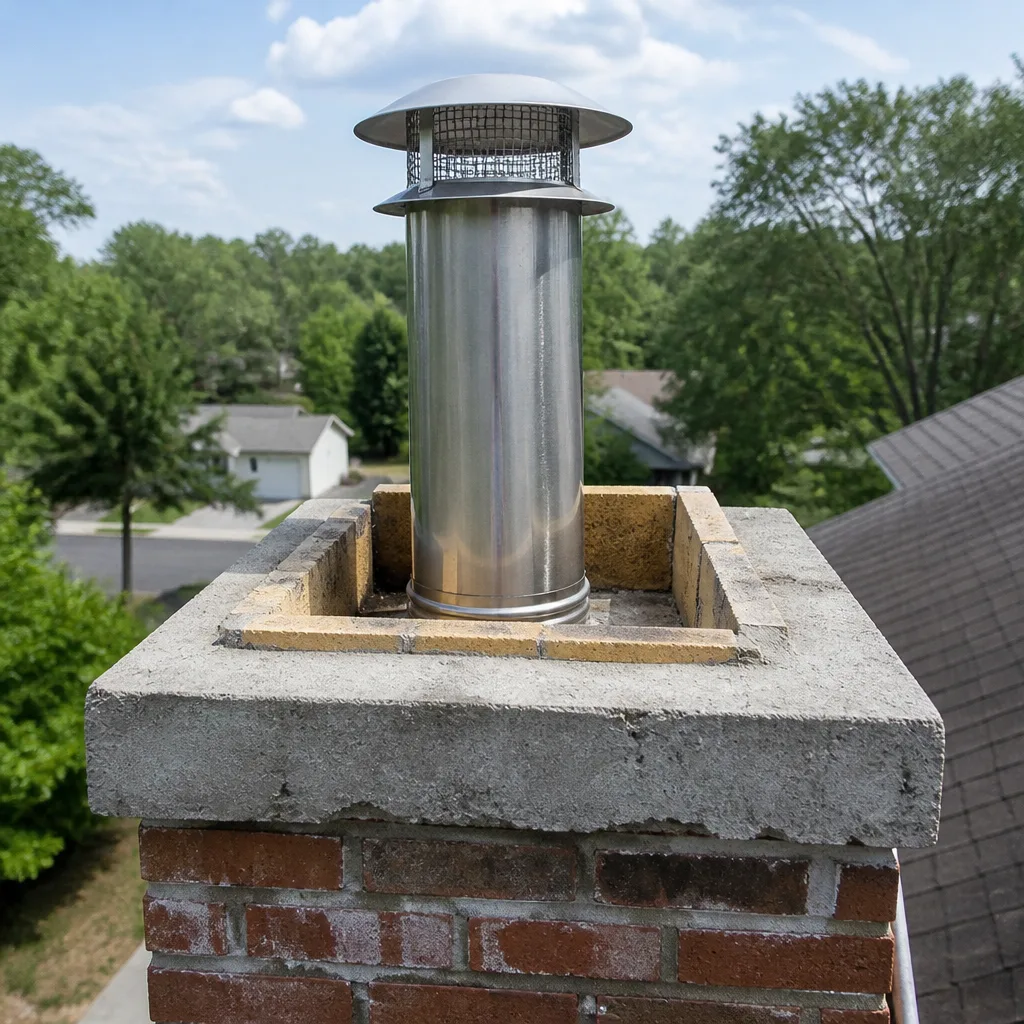 Flue relining
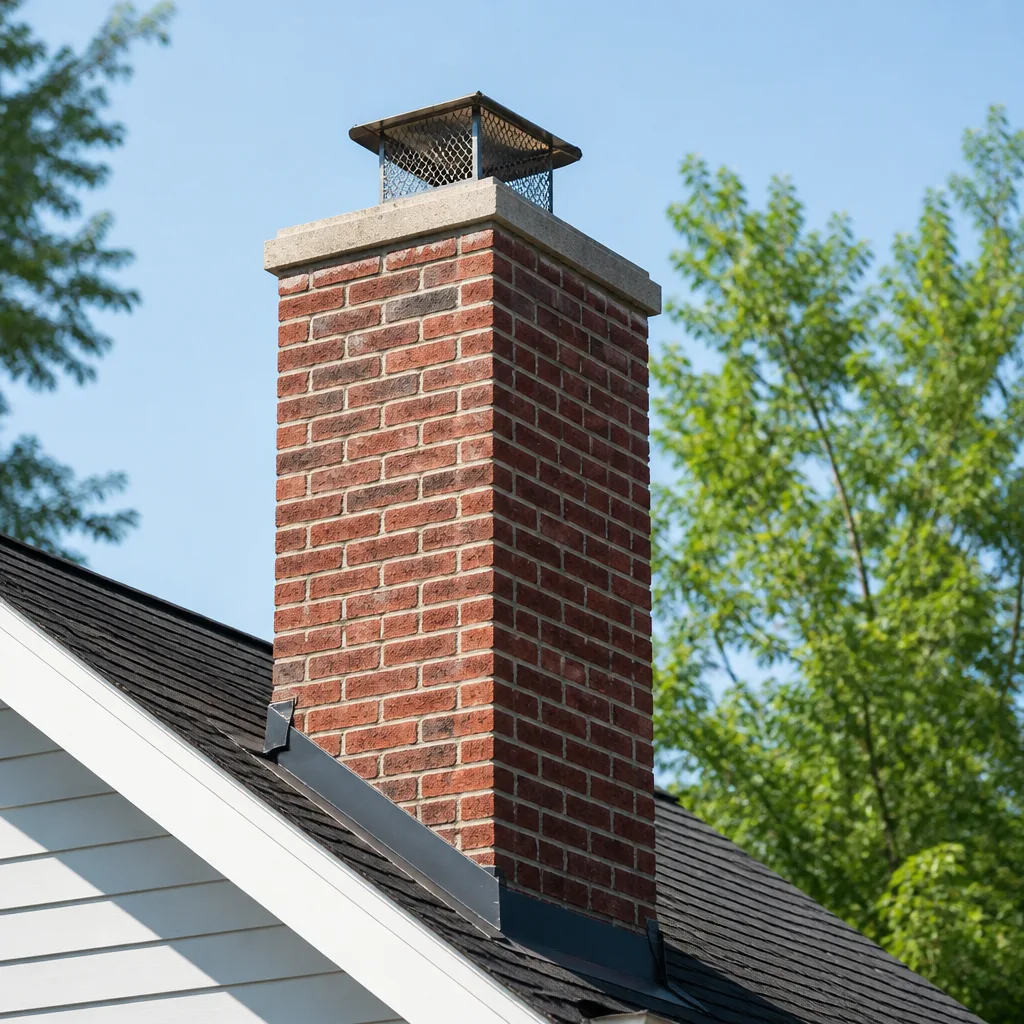 Masonry repair
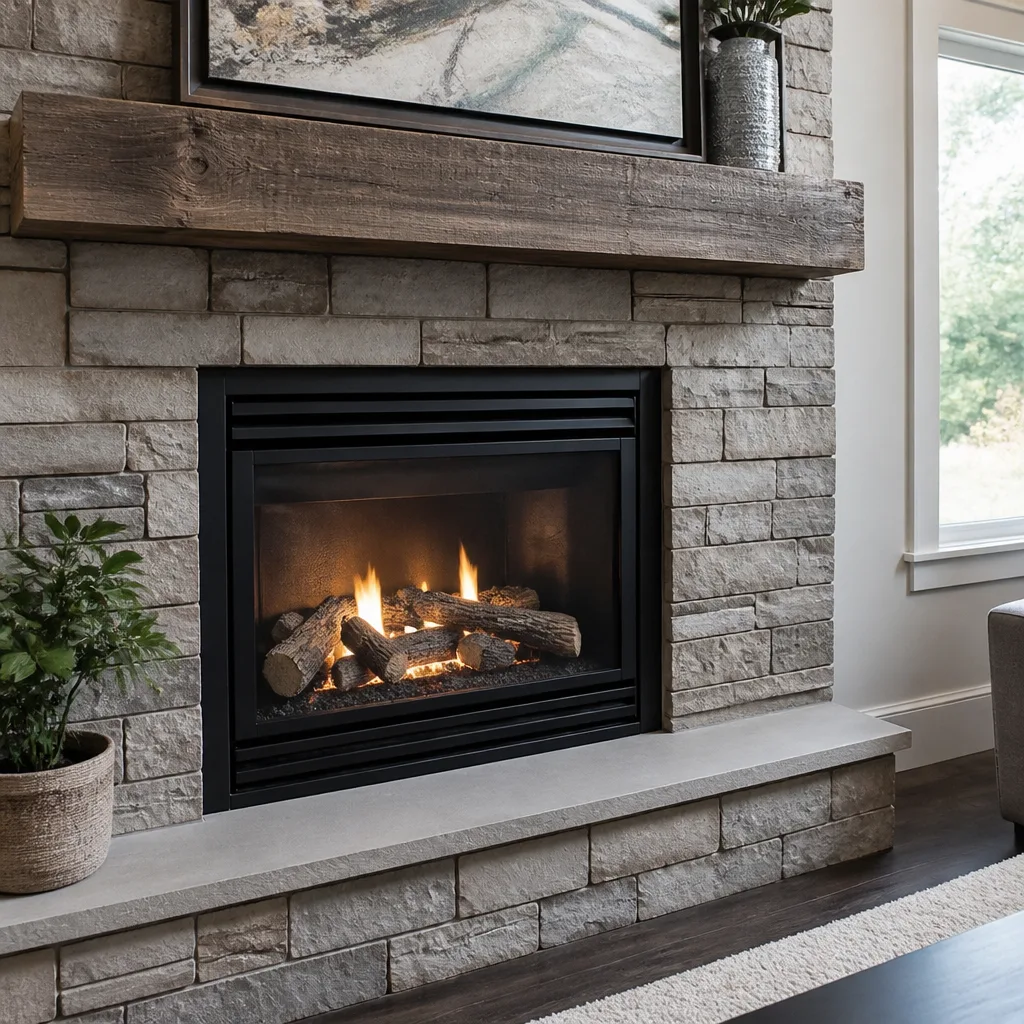 Gas fireplace service
Level 1 sweep and inspection to the NFPA 211 annual standard - flue, crown, cap, and flashing checked and photographed
Chimney sweep logs do not sweep chimneys. They loosen some creosote - which then falls where a brush and vacuum still have to collect it.
Chimney Cleaning Emergency Preparedness Guide for Lehigh Acres Homes
Most chimney emergency guides are written about chimney fires. That’s the dramatic scenario, and it deserves attention, but it isn’t the one most Lehigh Acres homeowners actually face. The firebox door swinging open with unexpected smoke in the living room, the sharp acrid smell during a summer afternoon thunderstorm, the unmistakable flutter of wings somewhere behind the glass – these are the calls that send people scrambling for answers. Each has a clear, calm response protocol. This guide walks through each scenario step by step so that if the moment ever comes, you already know what to do. You’ll learn to tell a true chimney fire from a downdraft, what to say to the fire department if they show up, and which “helpful” action might make things considerably worse.
Quick Answer
If you think your chimney is having an emergency, the first rule is simple: get people out of the immediate area while you assess. A suspected chimney fire means call 911 and close the damper on your way out. Smoke with no fire usually means a damper or pressure problem, so open a window and check your carbon monoxide detector. An animal in the firebox means close the damper, don’t open the firebox door, and call a professional. In all three cases, keep the appliance closed and don’t use the fireplace again until a technician has inspected it.
Styles & brands we work with
- Sweep & inspection
- Caps & crowns
- Flue relining
- Masonry repair
- Gas fireplace service
Table of Contents
- Scenario 1: A Suspected Chimney Fire – What to Do Right Now
- Scenario 2: Smoke Entering the Living Space With No Fire Burning
- Scenario 3: A Bird or Animal in the Firebox
- How to Tell if a Chimney Fire Is Burning or Already Went Out
- What to Tell the Fire Department When They Arrive
- How to Find Emergency Chimney Service in Lee County
- What Not to Do During a Chimney Emergency
- Prevention: The Boring Work That Prevents Most of These Calls
Scenario 1: A Suspected Chimney Fire – What to Do Right Now
A chimney fire is unmistakable in progress: a loud roar that sounds like a freight train, dark smoke pouring from the top of the chimney, and sometimes a vibration you can feel through the floor. If those signs are present, don’t investigate. Get everyone out.
- Get everyone out of the house. People first, pets second, belongings never.
- Call 911 from outside. Don’t spend time trying to manage the fire yourself before calling.
- Close the damper as you leave if you can safely do it. Starving a burning flue of oxygen is the single most useful thing you can do while waiting for the fire department – but only if the firebox is still cool enough to reach. If it is hot to the touch, leave it alone.
- Do not go back inside until a fire officer tells you it’s safe.
- Have the chimney inspected before using it again. Every chimney that has experienced a fire needs a Level 2 inspection according to NFPA 211 standards, regardless of how it looks from the outside.
The good news about Lehigh Acres: because winters here are mild and wood-burning season stretches from late fall through early spring, many homeowners only build fires on the handful of genuinely cool nights each year. That’s a double-edged fact. Fewer fires means fewer chances for a chimney fire, but it also means people forget the chimney from one season to the next. Creosote buildup doesn’t wait for you to notice; it accumulates every time you burn. A Lehigh Acres home that hasn’t been swept in several seasons can easily have enough glaze in the flue to sustain a fire the moment a spark hits it.
Scenario 2: Smoke Entering the Living Space With No Fire Burning
If you smell a sharp, acrid odor coming from your fireplace during a Florida rainstorm, it’s almost certainly a downdraft pushing flue gases back through a cracked or missing cap – not a fire – but knowing the difference matters, and the right first step is the same in either case. Close the damper, open a window, and let the room air out. Then figure out what caused it.
Downdrafts are common in Lehigh Acres for a few reasons. Summer thunderstorms roll through with quick pressure changes that can push air backwards down an open flue. Buildings that are tightly sealed create their own negative pressure. Insufficient chimney height relative to the roofline also plays a role. A proper chimney cap – like the Famco and Gelco caps we install – combined with correct flue height, eliminates most of these events entirely.
Ventilation and Carbon Monoxide: The Sequence That Matters
When smoke comes in without a fire burning, the sequence of checks matters:
- Close the damper. This shuts off the pathway smoke is traveling through.
- Open a nearby window. This relieves negative pressure and gives the room fresh air.
- Check your carbon monoxide detector. If it’s alarming, get everyone out and call 911 immediately – CO is a genuinely life-threatening hazard, not a nuisance.
- Wait for the room to clear. Light a candle near the fireplace hole in a stable spot and see if the flame draws toward the opening; if it dips toward the room, negative pressure is the problem.
- Call for an inspection. If the smell returns or the problem happens more than once, a technician needs to look at the flue, cap and liner before you use the fireplace again.
One point our technicians come back to frequently: a smell that doesn’t go away after airing out the room often points to a genuine flue liner issue rather than a simple downdraft. Cracks in a clay liner, a separated flue section, or a spent liner that has deteriorated will let flue gases leak even when the fire is burning correctly. For that problem, chimney sweep brushing alone isn’t enough – you need someone equipped to inspect and repair the liner itself, which is why we stock and install HeatShield resurfacing materials and DuraFlex liners for structural repairs.
Scenario 3: A Bird or Animal in the Firebox
Whether it’s a bird that dropped down the flue when the cap came loose, a squirrel that found its way past a roofline gap, or something larger, the immediate response is the same: close the damper, don’t open the firebox door, and call for professional help.
- Close the damper. This is your first move. It stops whatever is inside from moving into the house.
- Do not open the firebox door. Whatever is inside is in a contained space. Leave it there.
- If there’s a screen or glass door, keep it shut. Even a small bird will move fast when the door opens.
- Call us. We handle animal removal as part of a chimney service visit – and more importantly, we identify what let the animal in so it doesn’t happen again.
- Clean the chimney afterward. Animal nesting material is flammable and needs to be swept out before you burn again.
A chimney cap that went missing – or a cap that was never properly installed in the first place – is almost always the culprit. Better caps, like the models we source from Famco and Gelco, are stainless-steel and mesh-wrapped. A substandard or mismatched cap is one of the most common reasons we get called out in Lehigh Acres for bird intrusion. Lehigh Acres is a bird-heavy area in its own right, so a proper stainless cap is genuinely functional, not decorative. If you’ve seen animals in or around your chimney, a quick inspection now is far less stressful than a scramble later.
How to Tell if a Chimney Fire Is Burning or Already Went Out
Some chimney fires are active and loud – the roar, the heat, the shaking. Others are quieter and may have burned themselves out by the time you notice. Knowing which situation you’re in changes what you do next, so here are the signs to look for.
Signs of an Active Chimney Fire
- Loud roaring or rumbling sound from the chimney
- Puffs of dark smoke (or visible flames) coming from the chimney top
- Strong smell of burning creosote – a distinct, acrid chemical smell
- Popping or tapping noises from inside the flue that sound like corn popping in a pot (this is a strong indicator of active burning material)
- Vibration felt through the floor or the chimney breast
- Visible dark streaks or damage on the chimney exterior
- A sudden flue temperature spike that has then dropped (if you have a thermometer installed)
Signs of a Chimney Fire That Already Extinguished Itself
- Discolored or warped chimney cap or rain cap – scorch marks that were not there before
- Creosote flakes or puffed-up foam lining the firebox or visible flue
- Soot patterns on the exterior brick or siding that weren’t there previously
- A lingering chemical, tar-like smell that won’t clear
- The chimney cap looks warped, tarnished, or has a heat-stained finish
An active chimney fire requires calling 911 and getting everyone out. A suspected past fire – even if the house looks fine – requires a professional inspection before you use the chimney again. In our experience, the past-fire scenario is the one Lehigh Acres homeowners misjudge most often. If the fire “put itself out,” that doesn’t mean the chimney is safe. A chimney fire that extinguished itself may have cracked a clay liner, damaged a pre-fabricated metal flue section, or left scorching in a place you can’t see. A Level 2 inspection with a camera gives you an actual look at the flue interior – not a guess.
What to Tell the Fire Department When They Arrive
Fire departments respond fast and know how to make sure the fire is out. What they don’t do – and can’t do – is certify your chimney for use again. That’s a separate inspection.
When the fire department arrives, tell them these specific facts:
- Your address and whether the chimney is attached to a fireplace or a wood stove
- What you were burning and when the fire was last used
- What you saw, heard or smelled, and for how long
- How long you believe the fire may have been burning (your best guess)
- Whether the firebox door was open or closed when you noticed it
- Whether anyone in the house smelled or saw smoke inside the living space
Why a Level 2 Inspection Is Required After Every Chimney Fire
NFPA 211 – the standard for chimneys, fireplaces, vents, and solid fuel-burning appliances – specifies that a Level 2 inspection is required whenever a chimney has been subjected to a chimney fire or other event that may have damaged the chimney. A Level 2 inspection goes further than a routine sweep. It includes video-scoping the flue interior, checking the structural integrity of the liner, inspecting the cap and crown, and looking at the surrounding masonry and connectors. Without it, there is no way to know whether the flue is intact.
If you’re in Lehigh Acres and the fire department has just left, the practical next call is a chimney professional. We can be reached at (855) 473-9633, and our technicians have up to 8 years of experience with the exact kind of post-fire inspection described here. The fire department clears the scene; the chimney inspection clears the chimney.
How to Find Emergency Chimney Service in Lee County
Not every chimney company offers same-day or urgent response. The first thing to sort out when you need service is whether you’re calling a sweep who can get there fast, or one who’s booking next-month appointments.
Here are the specific questions to ask when you call:
- “Can you get someone here today or tomorrow?” Same-day appointments are possible with the right company; if the answer is “we can get there in a few weeks,” keep calling around.
- “Does your technician do repairs and inspections, or just sweeps?” If the company only cleans, you’ll need to find a second company for any issues found during the sweep.
- “Do you do Level 2 inspections with camera equipment?” After a suspected fire, a camera inspection isn’t optional.
- “What brands of liner and cap materials do you install?” A professional-grade answer mentions DuraFlex, HeatShield, Famco, or Copperfield; a generic answer doesn’t establish material quality.
- “Will I get a written estimate before work begins?” Always. No legitimate company should give you a verbal figure and start drilling.
The distinction between an emergency service and a standard appointment service matters less than whether the company can handle both a rushed assessment and the repair that follows. In practice, most Lehigh Acres chimney emergencies don’t need a middle-of-the-night crew – they need an appointment in the next day or two with a technician who can diagnose and fix the problem in one visit. We don’t promise same-day response for every call, but we answer 24/7 and fast dispatch runs from 7am to 7pm, Sunday through Friday, so you can reach someone and book an appointment without waiting for a weekday morning.
One more thing we hear often from Lehigh Acres homeowners: “I just need one visit to get everything checked out.” That’s usually the right request. Our service lines cover chimney sweeping, structural repair, and dryer vent cleaning, so we can handle a chimney problem and inspect the dryer vent in the same visit. That second check matters more than most people realize. Dryer vents are a leading cause of residential fires, and they get overlooked because they’re not as visibly dramatic as a chimney.
What Not to Do During a Chimney Emergency
Some instincts make the situation worse. These are the ones we hear about most often:
- Never run water down an actively burning flue. The thermal shock can crack a clay liner or warp a metal flue section, and the water may not reach the fire anyway. It also creates a serious steam-burn risk.
- Never use a garden hose on a hot firebox. Even after the fire appears out, the firebox and surrounding masonry are still extremely hot. Water on hot masonry causes spalling and cracking – and the steam can burn you.
- Never reopen and light a fire after a suspected chimney fire. Even if the chimney looks intact, cracks in the flue don’t show from the outside. A camera inspection is the only way to know.
- Never assume a quiet chimney fire was a “small” one. Chimney fires that self-extinguish are often the worst kind – they burn hot for a short period and then go quiet, leaving damage that looks invisible from the firebox.
- Never send someone up on the roof to “take a look.” Roof work on a chimney at night, in the rain, or after a fire is dangerous. Let a trained technician with proper equipment do it.
- Never close the damper on a fire that is actively burning in the firebox. Closing the damper on an active fire in the firebox will force smoke into the room. If the fire is in the firebox, don’t close the damper until you’re moving toward the exit.
- Never re-light the fireplace before an inspection just to “see if it’s fine.” That’s the most common way a repairable crack becomes a genuine emergency.
Prevention: The Boring Work That Prevents Most of These Calls
The vast majority of chimney emergencies we see could have been prevented with a routine chimney sweep and a thorough visual inspection. Both take less time than the emergency calls do, and both are far less expensive.
Here’s the practical prevention checklist for a Lehigh Acres home:
- Get the chimney swept annually if you burn wood regularly. Creosote buildup is the leading cause of chimney fires, and a professional sweep removes it before it becomes flammable glaze.
- Inspect the cap and crown every fall. Missing or damaged caps are the most common reason for bird intrusion in Lehigh Acres.
- Check carbon monoxide detectors every season. A CO detector is your early-warning system for liner cracks that don’t show up any other way.
- Don’t burn green or wet wood. Green wood produces more creosote than seasoned wood, and it burns cooler, which accelerates accumulation.
- Keep the damper closed when the fireplace is not in use. This prevents animals and weather from getting in, and it reduces heat loss in winter.
- Have the dryer vent cleaned on a regular schedule. Dryer vents are a known fire hazard and accumulate lint that most homeowners never see.
If you’re in Lehigh Acres and you’ve been putting off that first sweep, the easiest way to schedule is to call (855) 473-9633. We can also take a look at your Lehigh Acres home and give you a straight answer about what needs attention now versus what can wait until next season.
Common Mistakes to Avoid
- Assuming a quiet chimney means the fire is out. Some chimney fires go quiet when they run out of fuel, but the damage is done. A camera inspection is the only way to know if the flue survived.
- Trying to fight a chimney fire with a garden hose. Thermal shock from cold water on hot clay or metal causes more damage than the fire itself. Get out and call 911.
- Burning wood in a fireplace that hasn’t been inspected in years. Lehigh Acres has plenty of mild-winter homes where the fireplace goes unused for months, then gets used on a cold night without a check.
- Ignoring a missing or damaged chimney cap. Animal intrusion and water entry both start with a bad cap. It’s one of the least expensive fixes we see and one of the most common causes of bigger problems.
- Lighting a fire after a “just a puff of smoke” event. A single smoke-back incident is a strong indicator that something needs inspection before the next fire.
- Calling a general handyman for chimney work. Chimney work requires chimney-specific materials – which is why we use DuraFlex flue components, HeatShield resurfacing, and Famco caps, not generic substitutes.
- Forgetting the dryer vent entirely. Chimney safety is visible. Dryer vent safety is invisible and equally serious. Both belong on your annual maintenance list.
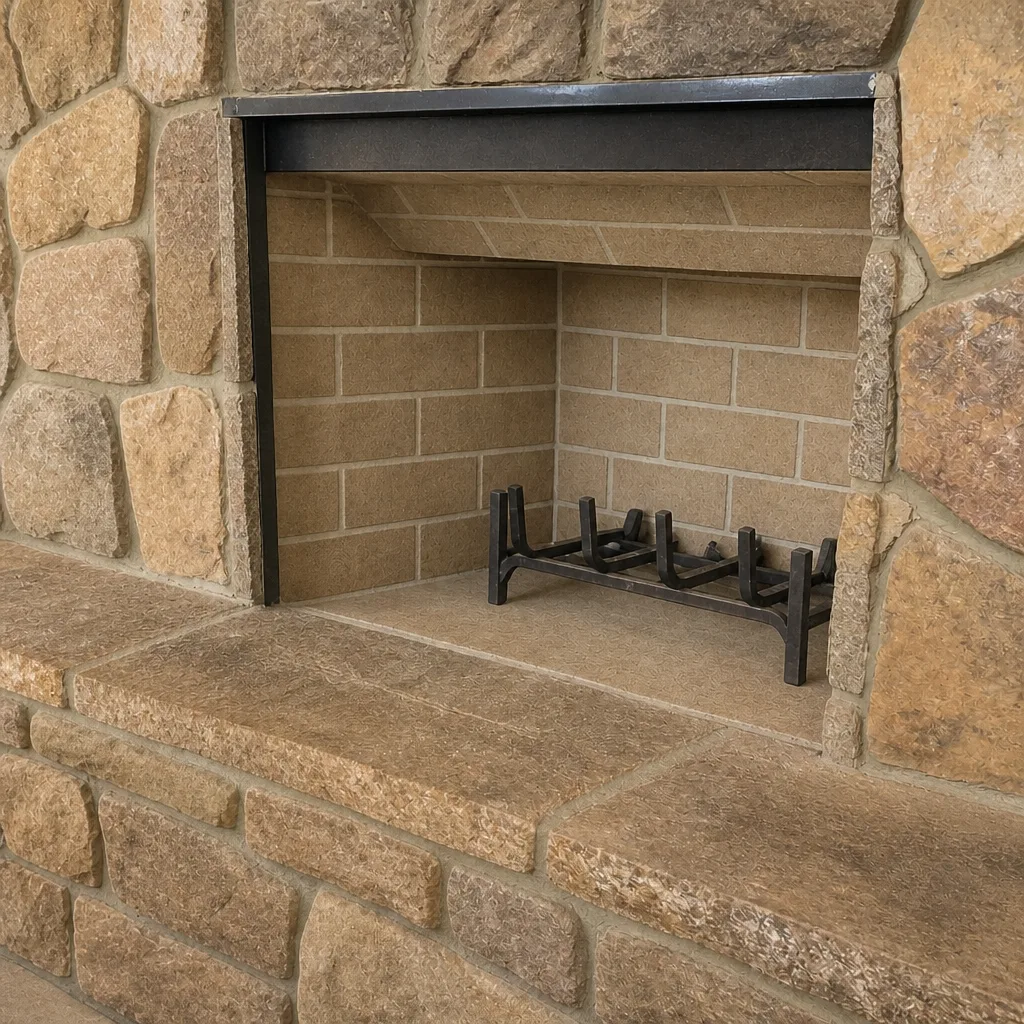
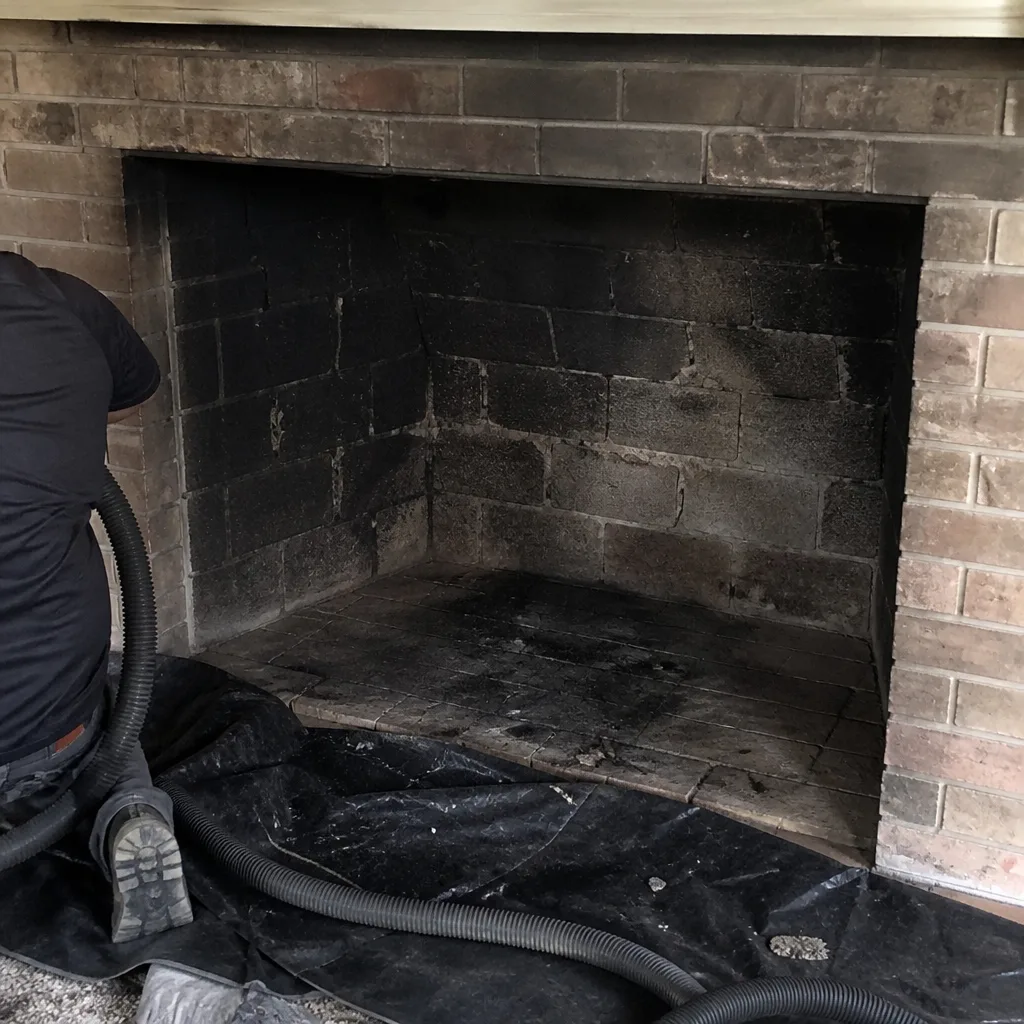
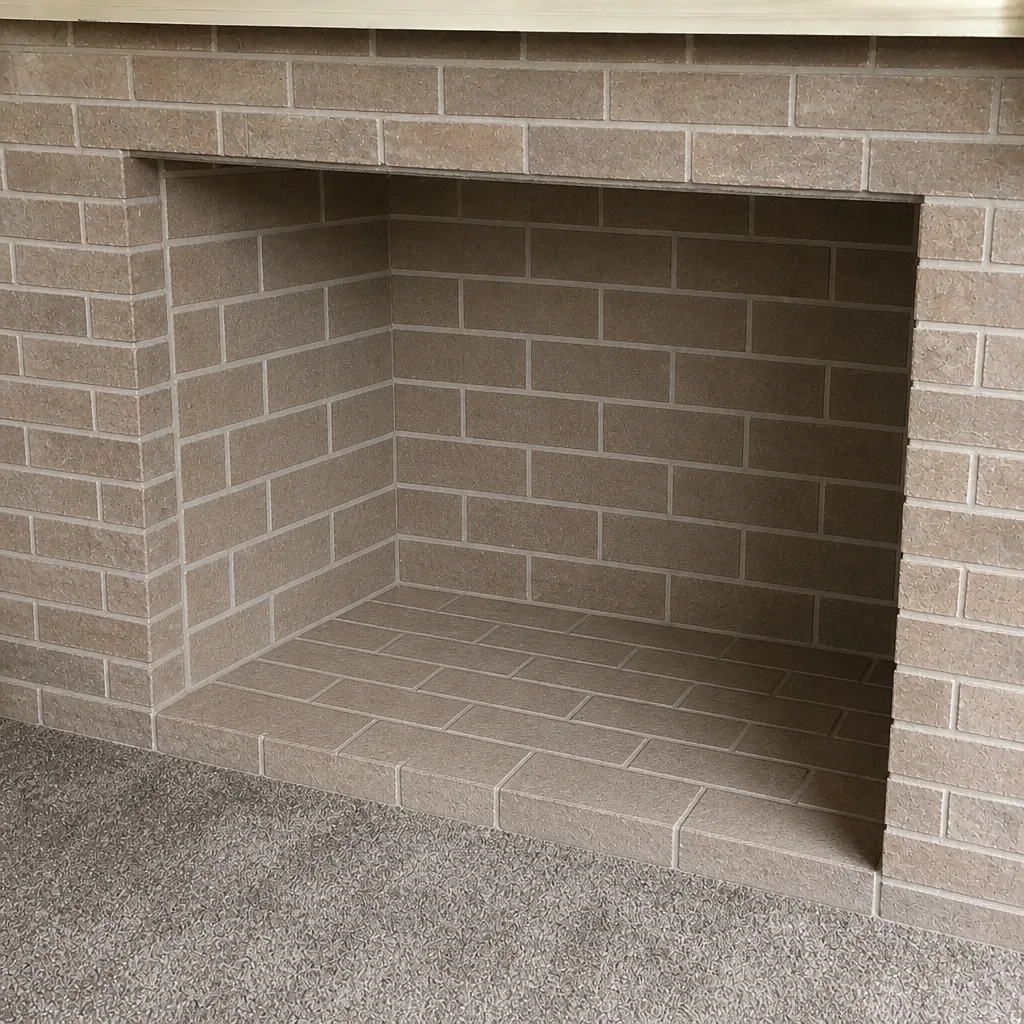
See the difference
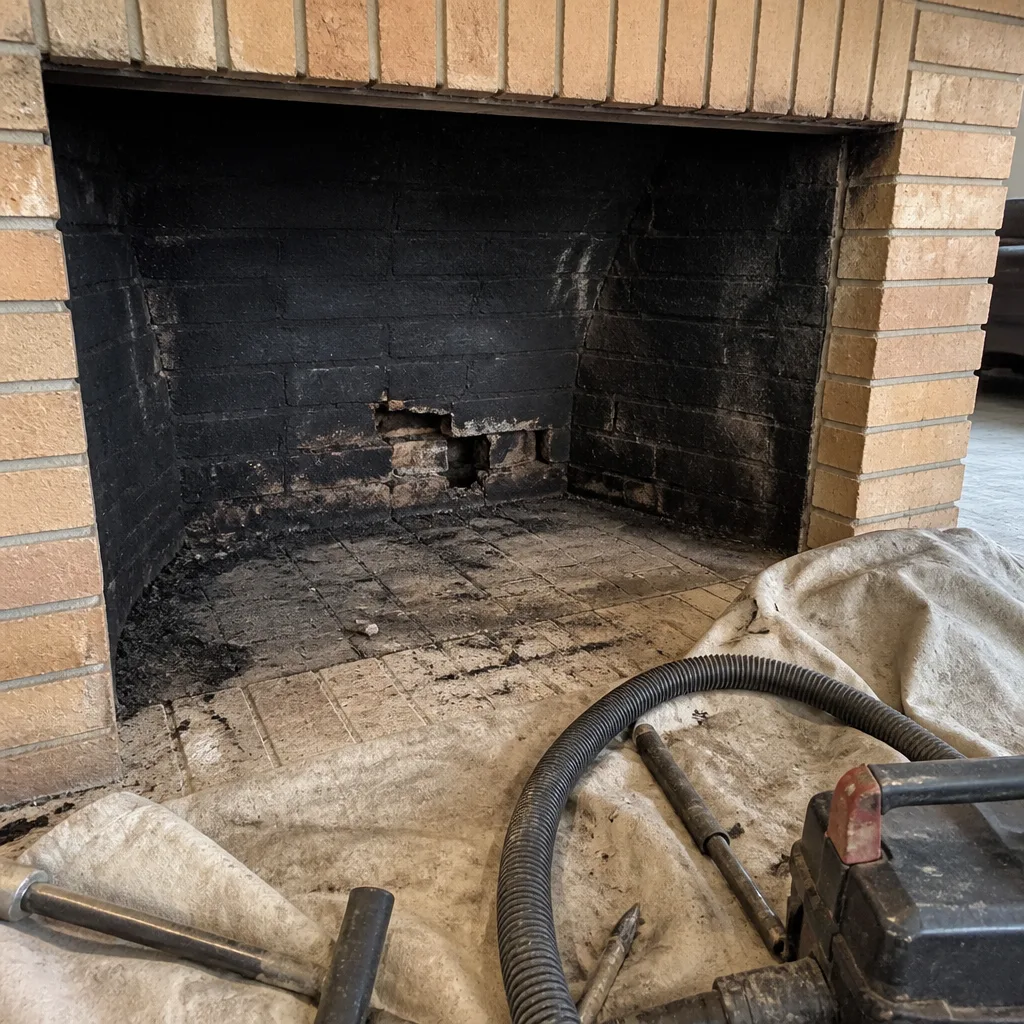 Before
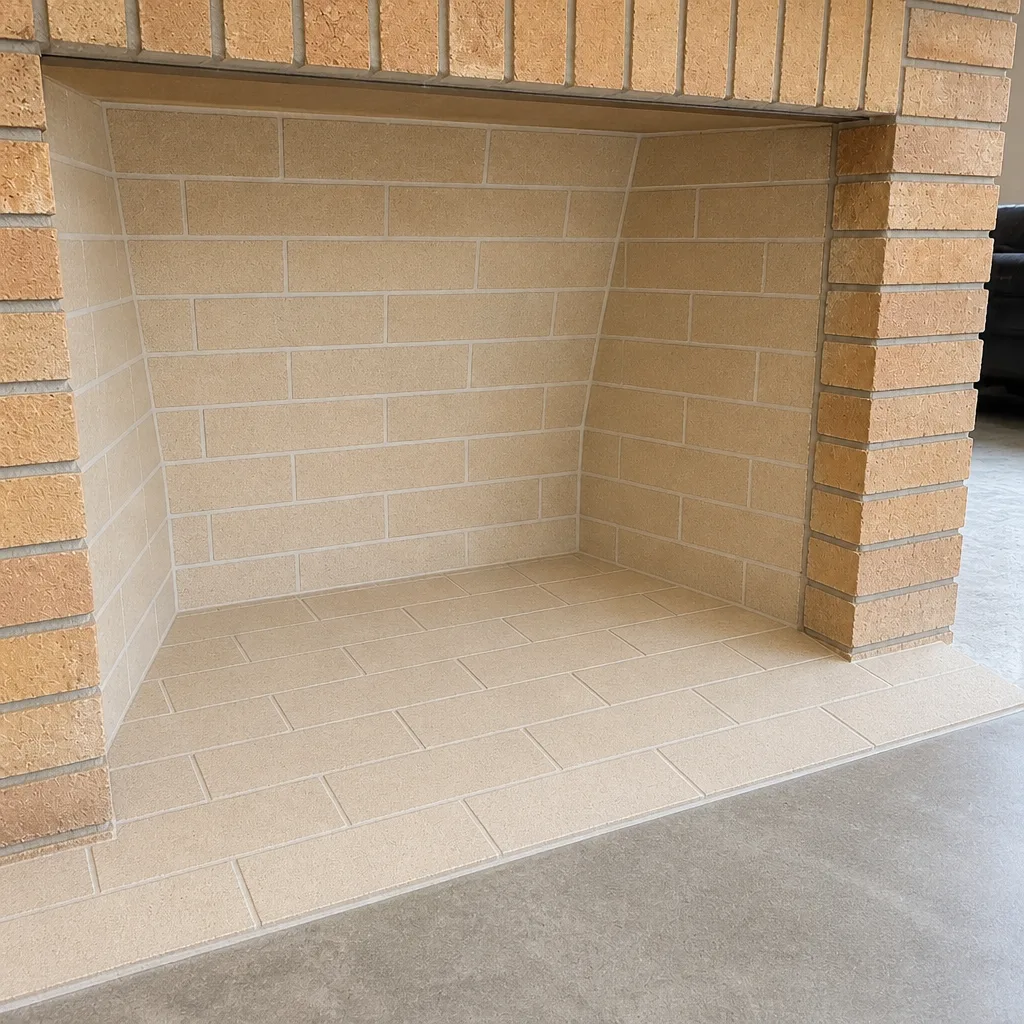 After
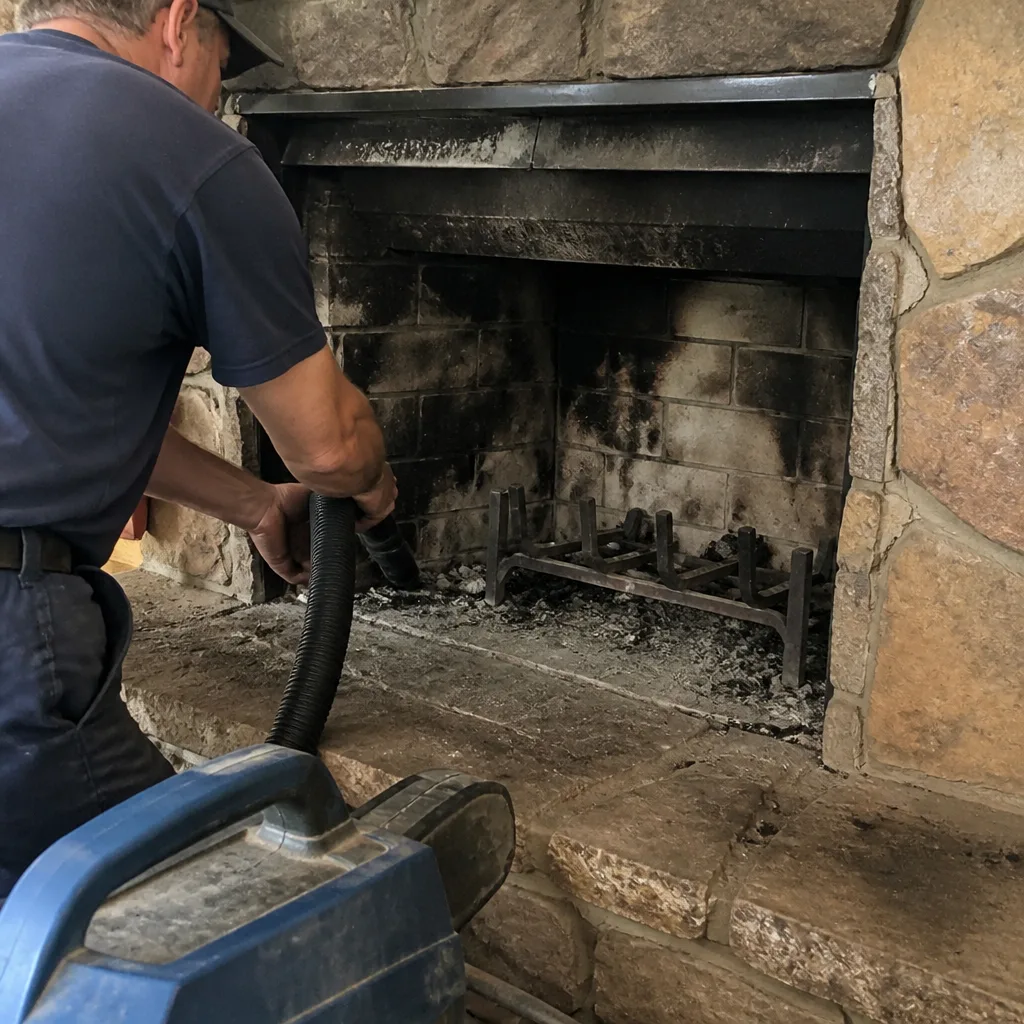 Before
 After
 Before
 After
When to Call a Professional
Call a professional immediately if you’ve had a chimney fire, even a suspected one that seemed to go out on its own. Call if smoke or a chemical smell enters the living space with no fire burning, if an animal is trapped in the firebox, or if the chimney cap is damaged, missing, or visibly warped. Call if your carbon monoxide detector alarms or if you smell gas near the fireplace. And call if it’s simply been more than a year since your last inspection. Chimney Sweep Lehigh Acres offers free estimates in Lehigh Acres – call (855) 473-9633. We answer 24/7. Fast dispatch from 7am to 7pm, Sunday through Friday.
Frequently Asked Questions
No. Smoke entering the living space with no fire burning is usually a downdraft, negative pressure, or a damaged chimney cap letting air move the wrong direction. Close the damper, open a window, and check your carbon monoxide detector. If the smell returns or happens repeatedly, call (855) 473-9633 for an inspection – estimates are free.
A standard chimney sweep in Lehigh Acres typically runs in the same range as the rest of the region, and the exact price depends on the chimney’s configuration and condition. We set the price per job with a written estimate before any work begins, and the estimate itself is free. Call (855) 473-9633 for an exact quote.
Tell them what you were burning, when the fire was last used, what you saw, heard, or smelled, and whether anyone noticed smoke inside the house. They’ll check the chimney for active fire and make sure the scene is safe. They won’t certify the chimney for use – that requires a Level 2 inspection from a chimney professional, which is required by NFPA 211 after any chimney fire. When the fire department clears the scene, call (855) 473-9633 to schedule that inspection.
No. A chimney fire that appears to have extinguished itself can still have cracked the liner, warped the cap, or damaged the flue in ways that aren’t visible from outside. The only way to know a chimney is safe after a fire is a Level 2 inspection with a camera. Call (855) 473-9633 for that inspection – estimates are free.
If you burn wood regularly, once a year is the standard. In Lehigh Acres, where wood-burning season is shorter and milder, the exact frequency depends on how much you actually burn – but an annual inspection remains the safest baseline. Call (855) 473-9633 to schedule yours.
Creosote builds up on the flue walls every time you burn, and over time it thickens into flammable glaze that can ignite from a stray spark. A fire caused by buildup can damage the liner, spread into the surrounding structure, or produce carbon monoxide leaks. The risk is real and it accumulates quietly. Call (855) 473-9633 for an inspection before the next cold snap.
The Bottom Line
The most common chimney emergencies in Lehigh Acres aren’t dramatic chimney fires – they’re downdrafts, animal intrusion, and smoke-back events that catch homeowners off guard. The right first step is always to protect the people in the house, close the damper where you safely can, and get a professional inspection before you use the fireplace again. A routine sweep and a proper cap, plus a professional inspection after any chimney fire, prevents nearly every emergency on this list. Chimney Sweep Lehigh Acres can help with the sweep, the repair, and the dryer vent in a single visit, and we give you a straight answer about what we find. Call (855) 473-9633 for a free estimate.
Written by the team at Chimney Sweep Lehigh Acres.