
Last updated November 15, 2026
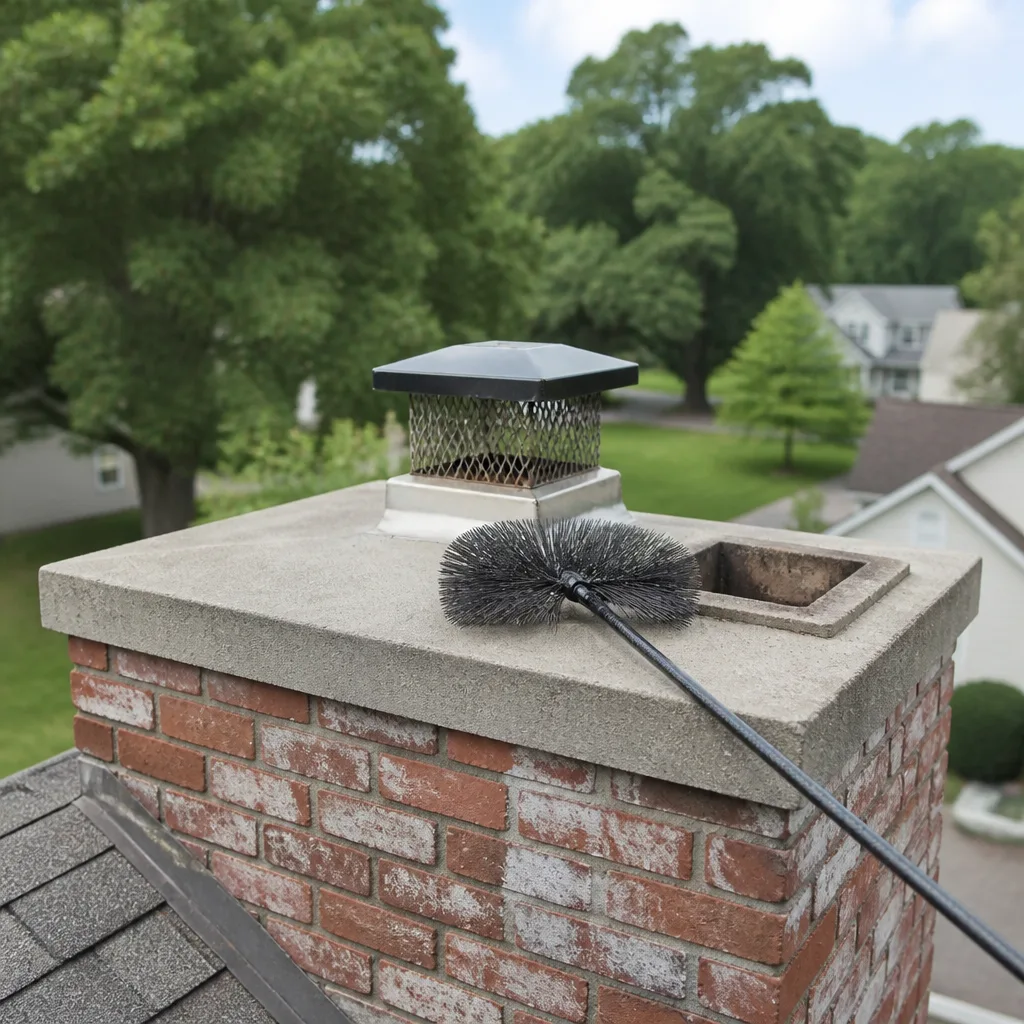 Sweep & inspection
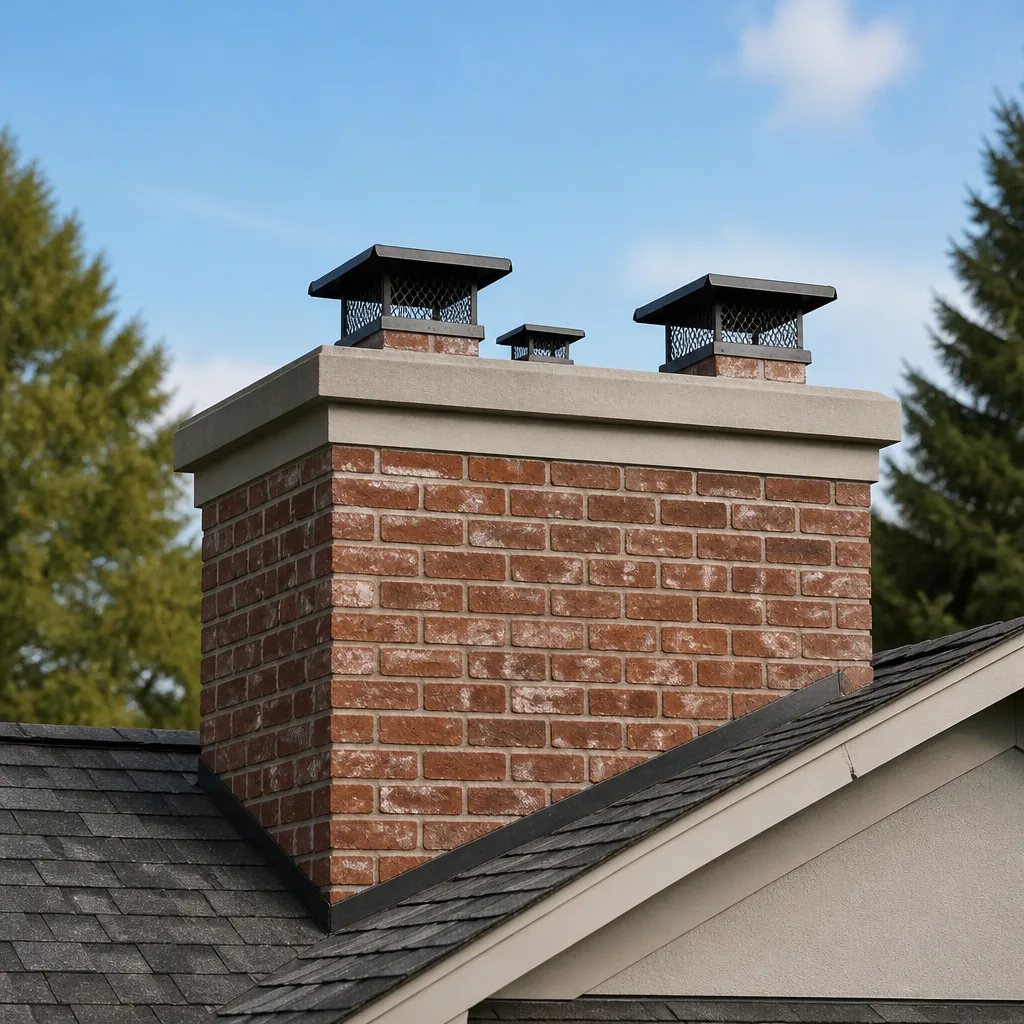 Caps & crowns
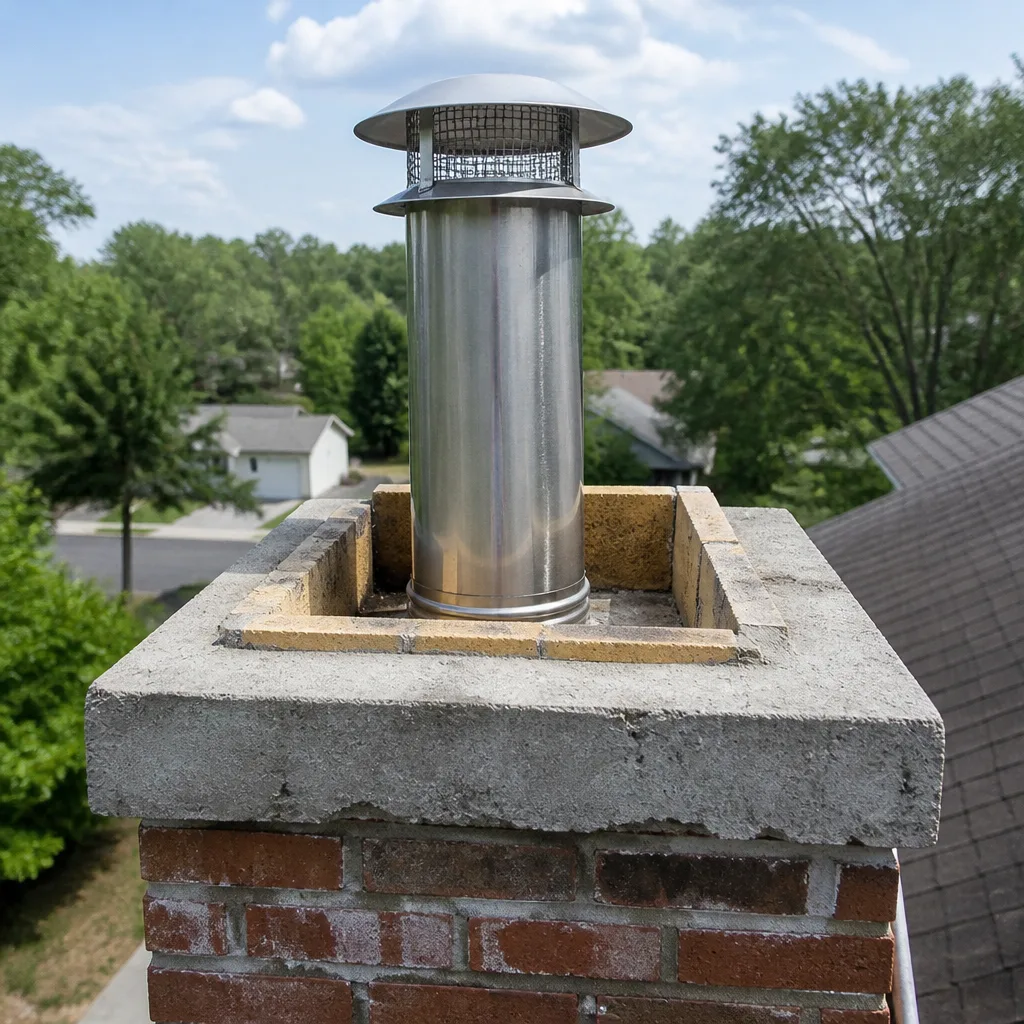 Flue relining
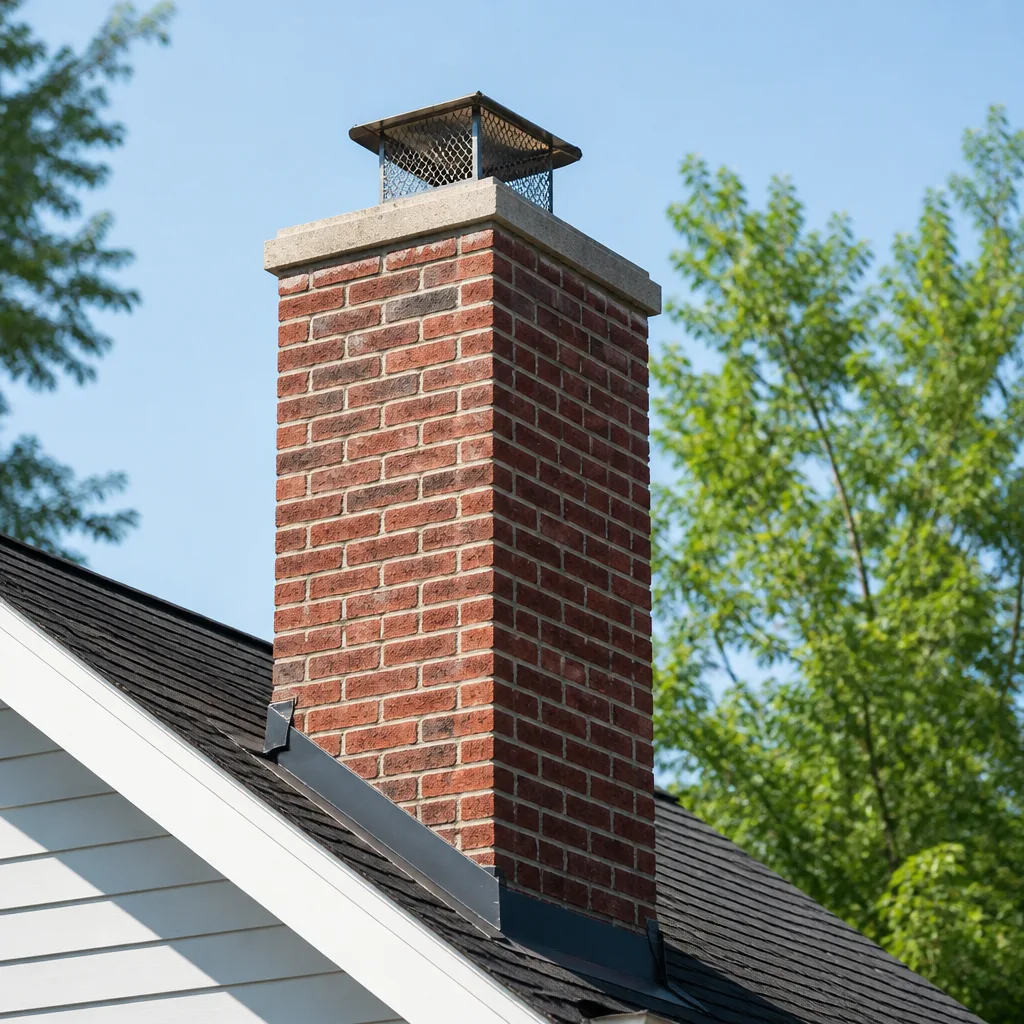 Masonry repair
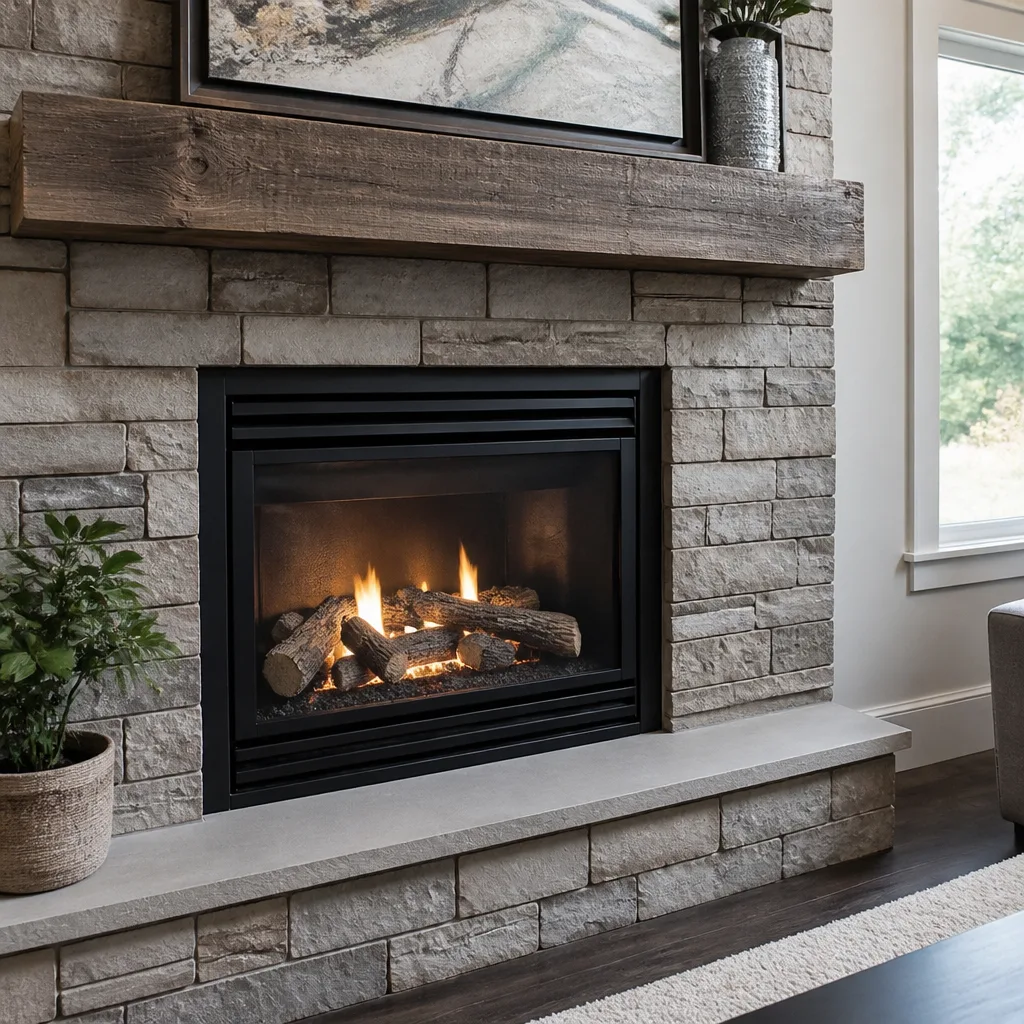 Gas fireplace service
Level 1 sweep and inspection to the NFPA 211 annual standard - flue, crown, cap, and flashing checked and photographed
Chimney sweep logs do not sweep chimneys. They loosen some creosote - which then falls where a brush and vacuum still have to collect it.
Seasonal Chimney Cleaning Care for Lehigh Acres: Year-Round Homeowner’s Guide
The months your Lehigh Acres fireplace sits unused – roughly March through October – are the months it’s most likely being damaged. Most chimney care advice floating around the internet was written for places with hard winters, where ice, snow and freeze-thaw cycles do the wrecking. We don’t have that here. What we do have is a short burning season from November through February and a long, humid off-season that quietly works on mortar, flue liners and cap hardware while the firebox stays cold. This guide covers what to check before the burning window opens, what to do after it closes, how the rainy season affects an uncapped flue, and why the shoulder months are the smartest time to book a professional inspection in Lehigh Acres.
Quick Answer
Chimney care in Lehigh Acres runs on two windows, not four seasons. Book a cleaning and inspection before November so you start the burning season with a clear flue, and use the long humid off-season for cap checks, damper decisions and any structural repairs – because moisture, UV and animals do more damage to an idle chimney here than fire does. A capped, sealed and inspected flue in October and a properly managed damper in March are the two habits that matter most.
Styles & brands we work with
- Sweep & inspection
- Caps & crowns
- Flue relining
- Masonry repair
- Gas fireplace service
Table of Contents
- Why Lehigh Acres Has Two Chimney Seasons, Not Four
- The October Checklist: Opening the Burning Season Right
- What a Humid Southwest Florida Off-Season Does to an Unused Chimney
- After the Last Fire: The February-March Transition
- Hurricane Season Prep: Caps, Flashing and Storms
- Why the Shoulder Season Is the Smartest Time to Book
- What You Can Check Yourself and What You Shouldn’t
- What Chimney Cleaning and Repair Typically Cost
Why Lehigh Acres Has Two Chimney Seasons, Not Four
Pick up almost any chimney maintenance calendar and you’ll find it divided into spring, summer, fall and winter tasks – because most guides were written for climates where a chimney freezes, thaws, freezes again, and sits under snow for weeks. That cycle drives a lot of the advice, and almost none of it applies here. In Lehigh Acres, the effective year splits into two windows with very different risks.
The burning season is short. From November through February, the fireplace gets real use, creosote builds on the flue walls, and the main hazards are the ones fire creates: creosote ignition, blockages, and draft problems. Everything you do in October exists to make those four months safe.
The off-season is long. From March through October, the chimney sits quiet while heat, humidity, driving rain and ultraviolet light go to work. This is when the structural damage accumulates – not from fire, but from water and neglect. An uncapped flue that takes in rain month after month is a slow-motion problem, and the homeowner usually doesn’t notice until the next inspection.
That mismatch is why a maintenance plan copied from a northern guide leaves gaps here. The two-window model is simpler: prepare before November, protect from March through October. Get those two habits right and the chimney stays healthy. Most of the damage we inspect in Lehigh Acres traces back to one of those two windows being skipped.
The October Checklist: Opening the Burning Season Right
October is the single most valuable month on the Lehigh Acres chimney calendar. It’s the last quiet stretch before the fireplace comes back into use, and completing a few specific checks before the first fire means you’ll spend the burning season enjoying the fireplace instead of troubleshooting it.
Here’s the order that makes sense:
- Inspect the cap and spark screen. A cap keeps rain, birds and squirrels out of the flue. Check that it’s still attached, that the screening is intact and not rusted through, and that nothing has nested underneath. Cap hardware loosens over a Florida summer, so this is the first thing to look at.
- Check damper operation. Open and close the damper fully. It should move smoothly and seal reasonably well. A stuck-open or stuck-closed damper is a common find this time of year, and both matter: stuck open means heat loss and moisture entry all winter, stuck closed means smoke into the room.
- Book the sweep before the rush. Professional cleanings for the November window fill up fast once the first cool snap arrives. Scheduling your chimney sweep in October – or even late September – gets you a better time slot and ensures the flue is clear before you light the first fire.
- Look up the flue with a flashlight. From the firebox, look for obvious blockages, heavy soot, animal debris or daylight where there shouldn’t be any. If something looks wrong, stop and call a professional rather than guessing.
- Confirm your smoke and carbon monoxide detectors work. Test both, and replace batteries now rather than mid-season. This is cheap insurance and takes five minutes.
If the sweep finds creosote buildup, restricted draft or a compromised liner, that’s exactly the point of October. A problem found before the season starts is a repair you schedule; a problem found mid-season is a fire you didn’t plan for. Professional products such as Chimney Sweep Lehigh Acres to handle the full job – cleaning and repair in one visit – mean a flagged issue usually gets addressed without a second appointment.
What a Humid Southwest Florida Off-Season Does to an Unused Chimney
An idle chimney looks harmless. In our climate it isn’t. From March through October, an uncapped or poorly-sealed chimney takes in water and warm air, and the materials inside slowly break down. Understanding how that happens makes the fixes obvious.
Spalling: When the Masonry Starts Flaking
Water absorbs into brick and mortar, then expands and contracts with temperature swings and repeated wetting. Over time this causes spalling – the outer face of the brick flakes, chips or peels away. It starts at the crown and the top courses and works downward. Spalling is not cosmetic; it means the masonry is losing material, and once enough is gone the chimney’s structure is compromised. The fix is usually a proper cap and a repaired crown, plus resurfacing where the flue has been affected.
Efflorescence: The White Staining
That crusty white bloom on chimney brick is efflorescence, a salt deposit left behind when moisture moves through the masonry and evaporates. It’s a visible sign that water is getting in and moving through. On its own it’s a surface symptom, but it tells you the moisture problem is real and worth fixing before it becomes spalling or a damaged liner.
Mortar Erosion in the Joints
Hundreds of rainy-season wet-and-dry cycles gradually wear down the mortar joints between bricks. Raked or receding mortar lets in more water, which accelerates the whole cycle. A sweep with a camera inspection sees this from the inside, where the damage is hardest for a homeowner to spot.
The common thread in all three is moisture entry, and the common fix is a proper cap, securely installed. If the flue liner is already compromised by moisture damage, options exist beyond tearing things out. Resurfacing systems like HeatShield restore a damaged liner from the inside, and professional cap and venting components from brands such as Gelco or Famco ensure the parts fit and function the way the system was designed. Same-day scheduling between March and October gives us plenty of time to get repairs done before the burning season returns.
After the Last Fire: The February-March Transition
When the burning season ends in February, the question most Lehigh Acres homeowners face is what to do with the damper – leave it cracked, leave it closed, or something in between. The answer is seasonal, not permanent.
During the heavy humidity months – roughly April through September – the chimney is not in use and the priority shifts from fire to moisture. Options to weigh:
- Leave the damper closed against the firebox. This blocks the biggest path for humid air entering from the firebox side, which reduces condensation risk inside the flue and keeps the fireplace looking tidy.
- Leave the damper slightly cracked only if the flue needs ventilation. A sealed-cold flue can trap moisture if the chimney is otherwise closed off, so some setups benefit from a small crack. The right choice depends on your liner, your cap and how the flue is built – which is why a post-season inspection helps.
- Never leave the damper fully open for the summer unless a professional has told you to. That turns the chimney into an open humid-air channel.
Beyond the damper, this is the window to act on anything the sweep flagged during the year. Structural repairs and liner resurfacing can be done in March through May without pressure, and finishing before the June rains means the repairs cure under a proper cap rather than a wet chimney. It’s also when to schedule dryer vent cleaning if it’s been a while – the venting system shares the same fire-safety logic as the chimney, and the National Fire Protection Association links lint buildup to thousands of residential fires each year.
Hurricane Season Prep: Caps, Flashing and Storms
Lehigh Acres sits in Southwest Florida, so hurricane season runs through the year’s hotter half. An improperly secured cap is a lightweight, exposed piece of metal on the highest point of the roof – exactly the kind of thing storm wind removes. Before June 1, and again in late summer, the checks are straightforward:
- Look at the cap from ground level first. Is it tilted, missing screening, or visibly detached on one side? A cap that’s coming loose is a storm-wind hazard and a water-entry point both at once.
- Ask for a pre-season roof-level inspection if you don’t have a safe, secure way to check the cap hardware and flashing yourself. A chimney professional can tell you whether the fasteners and flashing are sound before winds arrive.
- Photograph the chimney and cap when the weather is calm, so you have a baseline to compare against after a named storm.
- After a named storm, check from a safe distance. Look for a missing or shifted cap, debris in the flue, cracked masonry, or disturbed flashing around the chimney base. Do not climb on a wet roof – and do not light a fire until a sweep has confirmed the flue is clear.
The most common post-storm chimney issues are a dislodged cap and impact debris in the flue. Both are easy to diagnose and easy to fix once the storm has cleared, provided they’re caught before the next fire is lit.
Why the Shoulder Season Is the Smartest Time to Book
September and March are the two quietest, most useful months to book chimney service in Lehigh Acres – and the reasons are practical. The fall rush hits in late October and November, when every household remembers the fireplace exists and wants a sweep. That’s when availability tightens and scheduling gets awkward.
Book in the shoulder season instead and you get:
- Better availability. Early- and late-season slots are easier to come by, which makes it simpler to pick a time that works for you rather than taking whatever’s left.
- Time to fix what’s found. If a pre-season sweep in September turns up a liner problem, you have October to get it repaired before the first fire. A November discovery leaves you no slack.
- Cleaner repairs during the off-season. March and April work happens before the June rains, so structural and liner repairs cure under a proper cap and stable weather.
- No urgency premium built into your week. Service is priced per job by a written estimate, so the earlier you book the more relaxed the whole process is.
The biggest cost of waiting isn’t the price – it’s the repair you didn’t schedule. A sweep in September that finds a spalling crown gives you time to plan; a sweep the week before Thanksgiving that finds the same thing leaves you choosing between repairing now or skipping the season. Neither is a disaster, but the first is clearly better. If your chimney is in Lehigh Acres, the shoulder-season booking is the habit worth building.
We offer free estimates in Lehigh Acres and can usually get an inspector out during these quieter months on a schedule that suits you. Call (855) 473-9633 to set it up.
What You Can Check Yourself and What You Shouldn’t
Some chimney tasks are safe and sensible for any careful homeowner. Others aren’t, and knowing the line is part of caring for the system properly.
Safe to check yourself:
- That the chimney cap is present, attached and its screen intact – from the ground with binoculars if needed.
- That the damper opens, closes and seals without sticking.
- That no birds, squirrels or insect nests are visible in the firebox.
- That smoke and carbon monoxide alarms work.
- That the firebox brick and mortar show no obvious crumbling or gaps.
Do not do this yourself:
- Climb onto the roof to inspect the cap or chase the flashing. A wet or steep roof is genuinely dangerous, and falls cause serious injuries.
- Remove or open up components of the flue liner. The liner is what separates combustion from the structure around it; get this wrong and you create the exact hazard the liner exists to prevent.
- Attempt to clean a blocked flue that might contain an animal or loose debris. A sudden release can drop material onto you and damage the liner.
- Repair masonry around the flue or chase in the vicinity of gas lines. Gas work belongs to a licensed trade.
In our experience, the line is usually clear: verify and observe from the ground, and hand the actual repair to a trained professional. Structural repairs found during a sweep go further when the material is professional-grade too. Resurfacing with HeatShield restores a compromised liner from inside, and cap and venting components from Gelco, Olympia Chimney or Famco are designed specifically for the role rather than standing in for it.
What Chimney Cleaning and Repair Typically Cost
Chimney work in Lehigh Acres prices per job, and every estimate is a written one based on what the sweep actually finds. Typical ranges are useful for planning, but the written estimate is what sets the final price.
| Service | Typical Estimated Range |
|---|---|
| Standard chimney sweep and inspection | $150 – $300 |
| Camera inspection with photo report | Included with the sweep |
| Cap replacement (professional-grade) | $200 – $450 |
| Crown repair or resurfacing | $300 – $800 |
| Flue liner resurfacing (HeatShield system) | $1,200 – $2,800 |
| Dryer vent cleaning | $100 – $200 |
These are estimates for planning – not a quotation. The real price depends on the flue’s condition, access, roof height and what the camera inspection shows. Two habits keep the number down: clean before the season starts so problems are caught early, and repair in the shoulder months so the work is planned rather than urgent. Both are straightforward to build into the two-window model.
Everything we do is based on what the camera and the inspection actually show – and the photo report is yours to review. If something can safely wait a season, we’ll tell you so. Nothing gets recommended without evidence you can see for yourself. Call (855) 473-9633 for an exact quote – estimates are free.
Common Mistakes to Avoid
- Treating chimney care as a fall-only chore. That leaves the entire March-through-October moisture window unaddressed – the months when most structural damage in Lehigh Acres actually occurs. Check caps and manage the damper in summer too.
- Leaving the flue uncapped for the off-season. An open flue takes in rain, birds and insects, and feeds the spalling and efflorescence that mortar damage is built from. A secure cap is the single highest-value fix.
- Leaving the damper fully open all summer. That turns the chimney into an open humid-air channel and undercuts every other moisture fix you’ve made.
- Ignoring the cap before June. A loose cap on a Southwest Florida roof is a wind hazard waiting to happen. Check hardware and flashing before hurricane season, not after.
- Booking the sweep only once the fireplace is needed again. The fall rush limits your options and leaves no slack for repairs. September and March are the smart bookings.
- Assuming a sweep and a repair are two separate visits. With a full-scope chimney service, structural findings during a sweep can be addressed in the same visit – no second vendor, no second scheduling headache.
- Skipping the dryer vent because it isn’t the chimney. The vent serves the same fire-safety role as the flue and is easy to overlook. Cleaning it belongs in the same annual rhythm.
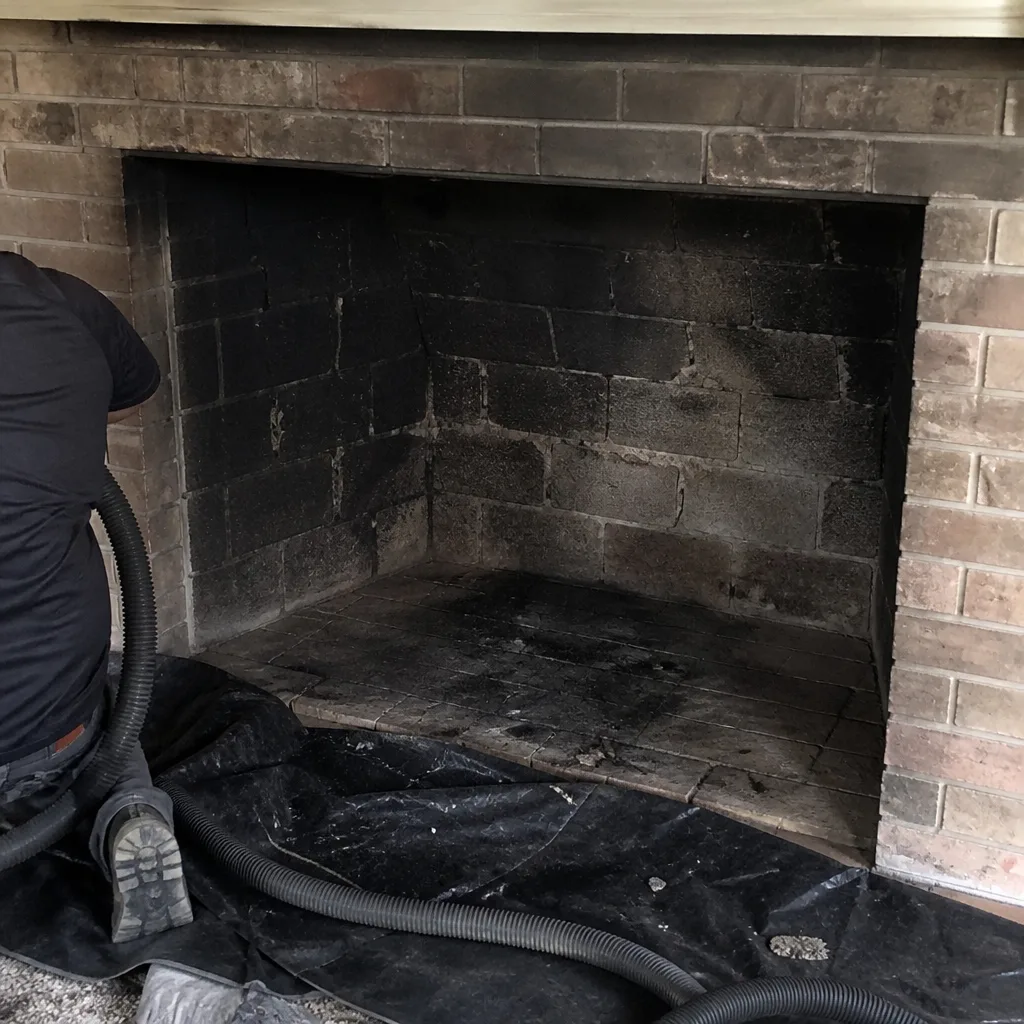
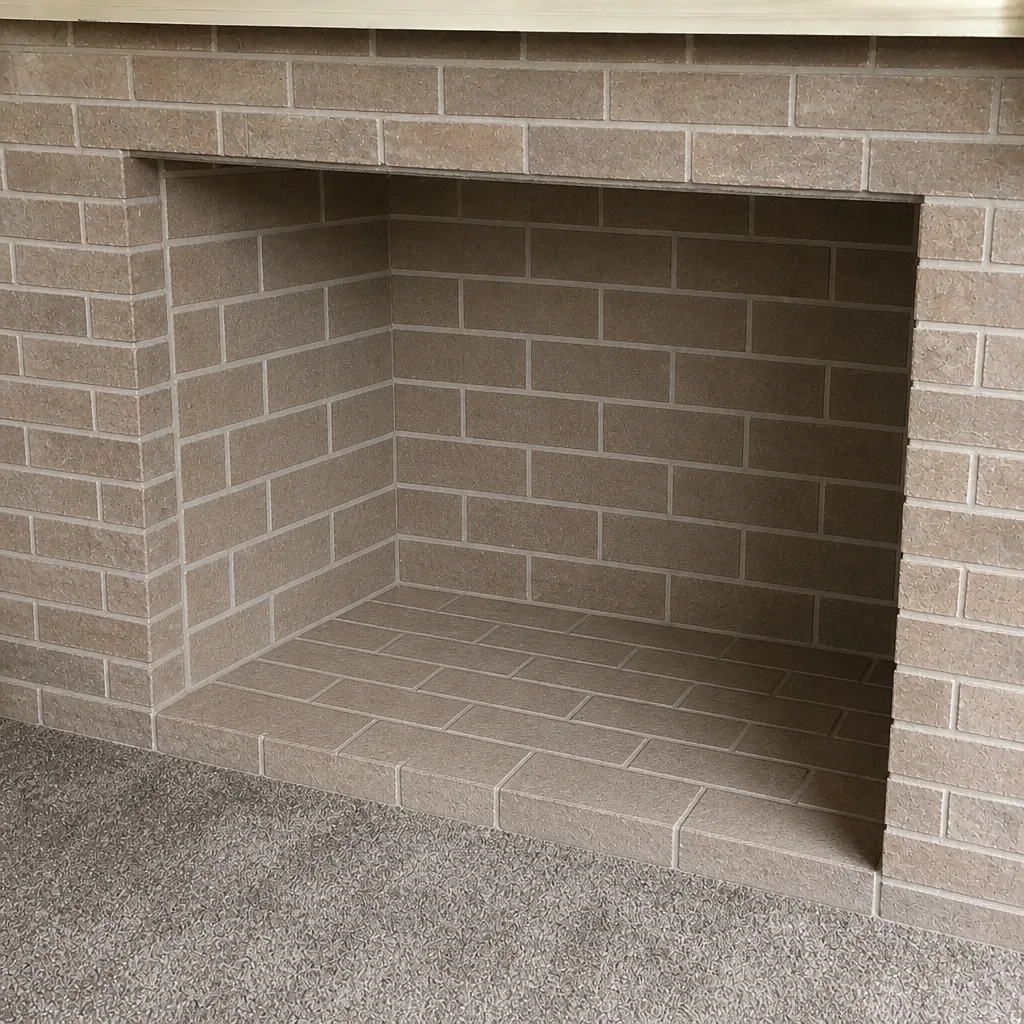
See the difference
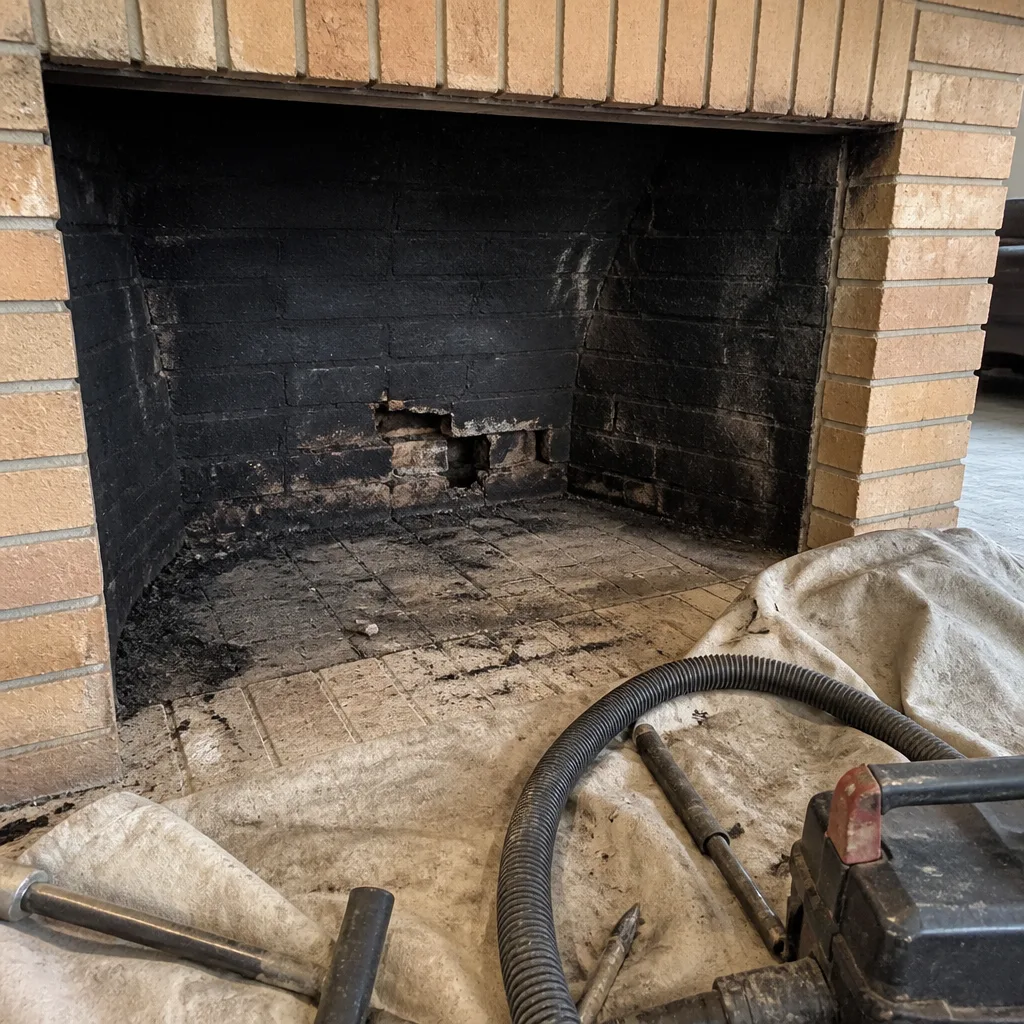 Before
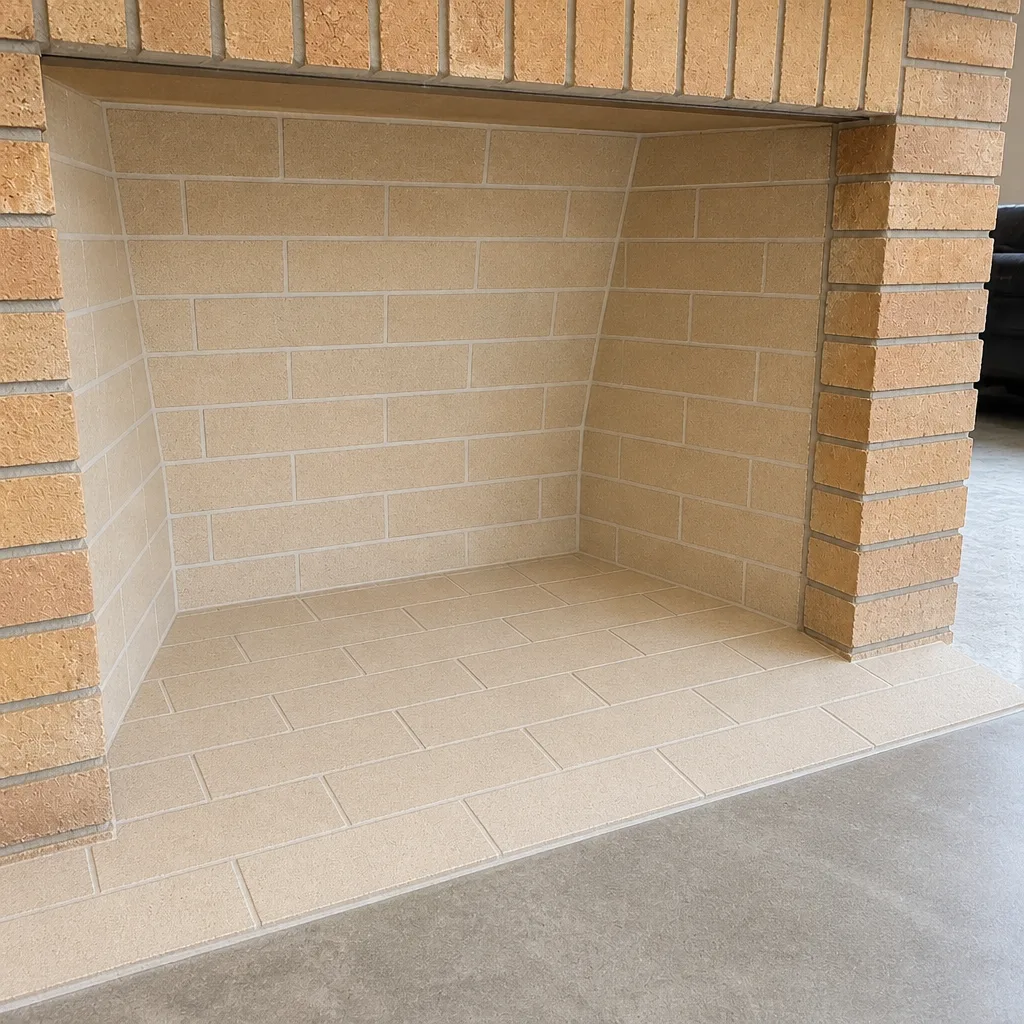 After
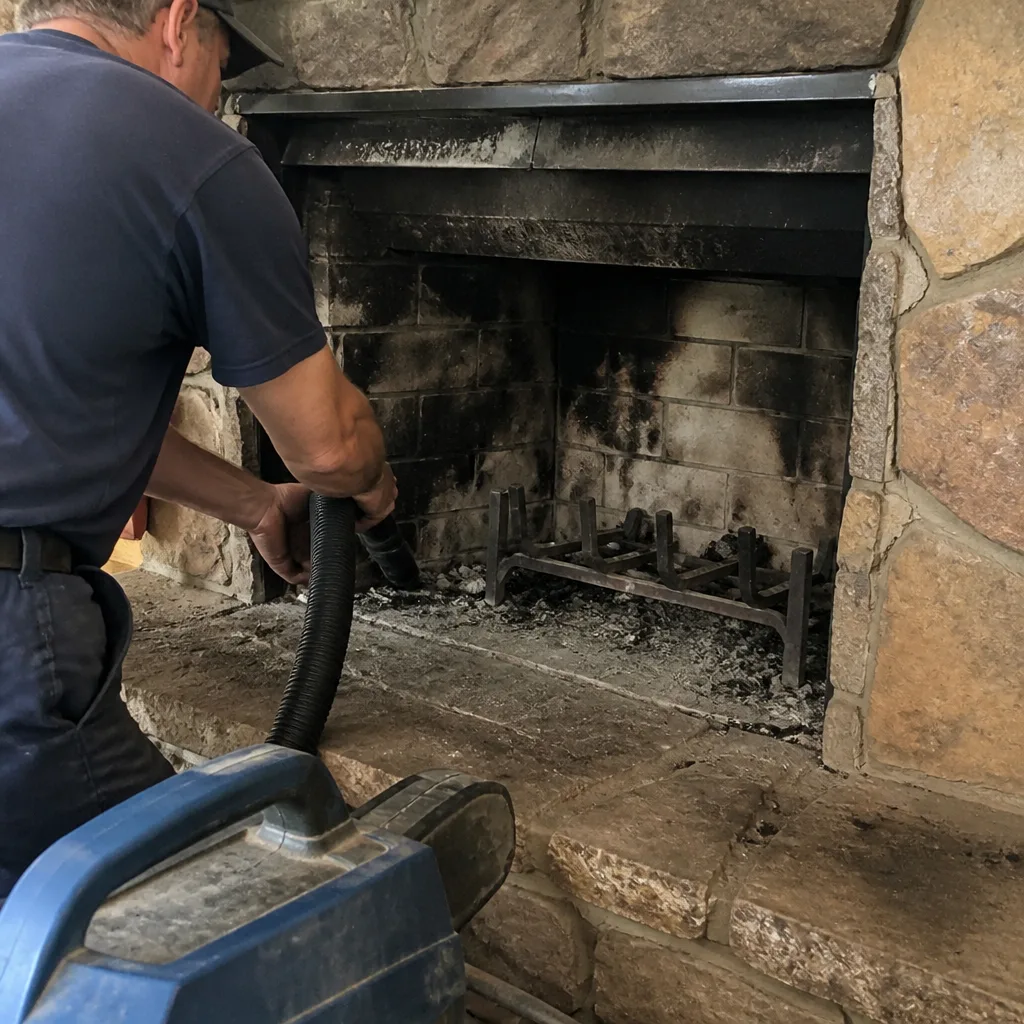 Before
 After
 Before
 After
When to Call a Professional
Some situations clearly call for a trained professional rather than a flashlight and a ladder. Call a chimney professional if: your cap is loose, missing or damaged; you see spalling, crumbling mortar or crusty white staining on the chimney exterior; the damper won’t open or close properly; smoke backs into the room when you light a fire; you smell a strong smoky odor in an unused fireplace; an animal has nested in the firebox; a named storm has passed and you haven’t checked the cap; it’s been more than a season since the last cleaning; or the burning season is about to start and your flue hasn’t been inspected. Chimney Sweep Lehigh Acres offers free estimates in Lehigh Acres – call (855) 473-9633. We answer 24/7. Fast dispatch from 7am to 7pm, Sunday through Friday.
Frequently Asked Questions
Most Lehigh Acres homeowners are fine with one professional sweep a year, timed for the few weeks before the burning season starts. A fireplace that gets heavy use across November through February may benefit from a mid-season check, and any chimney with a known liner issue or a history of moisture damage should be inspected more often. If it’s been more than a season, book a sweep before the next fire.
You only need liner work if the inspection actually shows damage – spalling, gaps, a failed joint or a liner compromised by moisture. Nothing should be recommended without camera evidence you can see for yourself, and the photo report is yours to keep. If the liner is sound, we’ll tell you so and the sweep is the end of it. Call (855) 473-9633 for an exact quote – estimates are free.
Creosote keeps building up on the flue walls, and heavy creosote is what fuels a chimney fire when a hot ember or spark reaches it. Separately, an uncapped flue takes in moisture through the long off-season, which feeds spalling and mortar erosion and can eventually damage the liner. Skipping a year isn’t automatically a catastrophe, but it does let both hazards grow. Book a sweep if it’s been a while.
No – the usual recommendation for the off-season in our climate is to keep the damper closed against the firebox, or cracked only slightly if the flue needs ventilation. Leaving it fully open turns the chimney into an open humid-air channel. Get a post-season inspection to decide which setup is right for your chimney.
From a safe distance on the ground, look for a dislodged or shifted cap, disturbed flashing, new cracks in the masonry and any visible debris in the flue. Don’t climb up yourself, and don’t light a fire until the flue has been confirmed clear. If you’re unsure of anything you see, a post-storm inspection settles it quickly.
It’s part of the same fire-safety system, which is why we treat it as a core service rather than an add-on. Lint buildup in a dryer duct is a known fire hazard the National Fire Protection Association links to thousands of home fires each year, and most chimney-only companies don’t offer it. Combining dryer vent cleaning with your annual sweep keeps both vent paths clear in one visit. Call (855) 473-9633 for an exact quote – estimates are free.
The Bottom Line
Chimney care in Lehigh Acres works on two windows, not four seasons. Prepare before November – check the cap and screen, test the damper, and book the sweep in October or earlier so the burning season starts safe. Then protect through the humid off-season – keep the cap secure, decide the damper position after the season ends, and repair any structural issues in March through May before the rains arrive. The shoulder-season booking is the habit that saves the most hassle, and every recommendation should come from evidence you can see. From the flue liner to the dryer duct, we cover the full venting system through our Lehigh Acres service. Call (855) 473-9633 for a free estimate – we answer 24/7, with fast dispatch from 7am to 7pm, Sunday through Friday. Our technicians have up to 8 years of experience, and we’re licensed and insured.
Written by the team at Chimney Sweep Lehigh Acres.